2025년 11월 10일 월요일

Somebody I Used to Know: 내가 알던 그 사람 Mitchell, Wendy: 요약

Somebody I Used to Know: A Richard and Judy Book Club Pick 2019 eBook : Mitchell, Wendy: Amazon.com.au: Kindle Store


Somebody I Used to Know: A Richard and Judy Book Club Pick 2019 Kindle Edition
by Wendy Mitchell (Author) Format: Kindle Edition


4.6 4.6 out of 5 stars (6,374)

_______________

A RICHARD AND JUDY BOOK CLUB PICK
THE SUNDAY TIMES BESTSELLER
A BBC RADIO 4 BOOK OF THE WEEK
SELECTED AS A BOOK OF THE YEAR BY THE TIMES
SELECTED AS A SUMMER READ BY THE SUNDAY TIMES, FINANCIAL TIMES, DAILY TELEGRAPH, THE TIMES AND THE MAIL ON SUNDAY
_______________

'Anyone who knows a person living with dementia should read this book'
- The Times
'Revelatory' - Guardian
'A miracle' - Telegraph
'Remarkable' - Daily Mail
'A landmark book' - Financial Times
_______________

How do you build a life when all that you know is changing?

How do you conceive of love when you can no longer recognise those who mean the most to you?

A phenomenal memoir, Somebody I Used to Know is both a heart-rending tribute to the woman Wendy Mitchell once was, and a brave affirmation of the woman dementia has seen her become.
Read less
==

Review
Remarkable ... Mitchell gives such clear-eyed insight that anyone who knows a person living with dementia should read this book -- Siobhan Murphy ― The Times

I am so impressed with Wendy Mitchell’s attitude and ability to explain her experience - she is both an inspiration and a guide. I think this book will be extremely helpful to people who are trying to come to terms with dementia, in their own lives, or the lives of their family and friends -- Michael Palin

A brave and illuminating journey inside the mind, heart, and life of young-onset Alzheimer's disease -- Lisa Genova, neuroscientist and author of 'Still Alice'

Nothing is more frightening than dementia, says Wendy - and yet, every day, she chooses to face her fears head on. By sharing her story Wendy challenges assumptions and ignorance about dementia. Read this amazing book. It will change a lot of people’s minds about what it means to have the disease -- Professor Pat Sikes, University of Sheffield

A landmark book ― Financial Times

An absolutely compelling account of life with dementia ... A testimony to human spirit and ingenuity -- Jan R Oyebode, Professor of Dementia Care, University of Bradford

Revelatory ― Guardian

Remarkable ― Summer Reads, Mail on Sunday

The world could do with more Wendy Mitchells ... This is a book from which we can all learn -- Jackie Annesley ― Sunday Times

With humour, truth and grace, this book [gives] a unique insight into what it’s like to live with Alzheimer’s ― Spectator

This is an eloquent and poignant book. Those of us who have gone on the heartbreaking journey of losing a loved one to dementia have wondered what they were feeling. Wendy Mitchell's courageous and unflinching account lets us know -- Patti Davis, author of 'The Long Goodbye'

A lucid, candid and gallant portrayal of what the early stages of dementia feel like ... This memoir, with its humour and its sense of resilience, demonstrates how the diagnosis of dementia is not a clear line that a person crosses; they are no different than they were the day before -- Nicci Gerrard ― Observer

An extraordinary book about a little-understood disease. Awe-inspiring, courageous and insightful. I would recommend it to everyone -- Rosie Boycott, writer and activist

Usually the experience of someone living with dementia is lost; known only partially even to their loved ones. The miracle of this work is that it managed to capture the experience, and hold it up for the rest of us to see ― Telegraph

About the Author
Wendy Mitchell spent twenty years as a non-clinical team leader in the NHS before being diagnosed with Young Onset Dementia in July 2014 at the age of fifty-eight. Shocked by the lack of awareness about the disease, both in the community and in hospitals, she vowed to spend her time raising awareness about dementia and encouraging others to see that there is life after a diagnosis. She is now an ambassador for the Alzheimer's Society and in 2019 she was awarded an honorary Doctor of Health by the University of Bradford for her contribution to research.

@WendyPMitchell

Product details
ASIN ‏ : ‎ B075RS32TQ
Publisher ‏ : ‎ Bloomsbury Publishing
Accessibility ‏ : ‎ Learn more
Publication date ‏ : ‎ 1 February 2018

==
rom Australia

Lilith
5.0 out of 5 stars What a stunning woman
Reviewed in Australia on 31 October 2023
Format: KindleVerified Purchase
Wendy has such courage and strength of mind. Her philosophy of life was so powerful and observable throughout the book that I was highlighting a!most every page. She has given me so many positive ideas and a role model to think about. The strength to brave ourselves into all parts of out life is a tonic to your readers. Thank you very much, Wendy.
Helpful
Report

Amazon Customer
5.0 out of 5 stars A great insight into dementia
Reviewed in Australia on 6 May 2023
Format: KindleVerified Purchase
NA
Helpful
Report

Betty Dagnia
4.0 out of 5 stars A good read. The author has dementia and she records ...
Reviewed in Australia on 6 June 2018
Format: KindleVerified Purchase
A good read. The author has dementia and she records her journey through the early stages; how she struggles to continue contributing to her community, the measures she takes to live as "normally" as possible whilst coping with the disease. Interspersed are sections in which she addresses herself, reminding herself and the reader of how she used to function pre-dementia. I found these sections a bit distracting, even irritating, and I wondered how she could recall in such detail how she used to be.
Helpful
Report

allicat
5.0 out of 5 stars inspirational
Reviewed in Australia on 29 May 2022
Format: KindleVerified Purchase
Wendy’s personal insights into Dementia, really helped me understand better what i see everyday with my mum, who has also been diagnosed with Dementia.
Beautifully written.
Helpful
Report

Eni Saban
5.0 out of 5 stars What a gem
Reviewed in Australia on 24 April 2019
Format: KindleVerified Purchase
When I was waiting for my GP app. I found article about this book in Woman’s Weekly. The moment I was back at my home I found this Kindle edition on Amazon, and couldn’t stop till I finished reading it.
Amazing insight in everyday life of dementia patient. Everyone should read it. Everyone.
Helpful
Report

Susie Lawson
5.0 out of 5 stars I get it now!
Reviewed in Australia on 13 August 2018
Format: KindleVerified Purchase
My husband is living with dementia. All the medical journals I’ve read in order to understand what he’s going through did not prepare me as much as Wendy’s beautiful writing about what she’s going through. I feel more equipped now to be by his side in this journey.
2 people found this helpful
Helpful
Report

Shirley Hall
5.0 out of 5 stars Somebody I used to know
Reviewed in Australia on 31 July 2019
Format: KindleVerified Purchase
As a carer of a husband living with dementia I now understand his life so much better. Sadly I do it all for him and now realize that is a mistake.
Helpful
Report

RogerK
5.0 out of 5 stars Helpful insights into understanding people who live with dementia
Reviewed in Australia on 16 March 2024
Format: Kindle
My mother in law lived with dementia for around 14 years before she passed away. I wish there was a book like this to guide her and her loved ones in understanding what her life might develop.
Helpful
Report

Maryann
5.0 out of 5 stars Better understanding of dementia
Reviewed in Australia on 24 September 2019
Format: KindleVerified Purchase
Author explained experience very well,will recommend this book to friends who have parents with dementia,as this book is a easy read,very emotional
One person found this helpful
Helpful
Report


==
From Australia

Debbie
2.0 out of 5 stars Disappointed
Reviewed in Australia on 24 December 2020
Format: KindleVerified Purchase
I enjoyed reading this memoir to a point. The point being that here writing was repetitive.
Helpful
Report

Helen Judd
5.0 out of 5 stars Five Stars
Reviewed in Australia on 6 June 2018
Format: KindleVerified Purchase
Should be compulsory reading for all medical personnel, aged care workers, etc.
Helpful
Report
From other countries

Paolo
5.0 out of 5 stars Gutes Book
Reviewed in Germany on 15 April 2018
Format: HardcoverVerified Purchase
Vielen dank! Das Book ist sehr gut geschrieben und berührend! Die Wahre war in perfekte zustanden! Hat sich sehr gelöhnt!
Report
Translate review to English

Diane Skeates
5.0 out of 5 stars A must read if you truly want to know
Reviewed in Canada on 21 February 2025
Format: PaperbackVerified Purchase
The best memoir I ever read about dementia.

If you want to know about an illness, read about it, but if you really want to know what it really feels like to live with it, I recommend memoirs and this books especially. I can attest to the fact that book knowledge is quite different from living with whatever conditions you might have, physical or mental.

Everybody, especially medical personnel, carers, family, friends, should read this book at least for information and understanding, but for family and friends, and any people living with it, I think the book should come with a warning: Contents might be disturbing to some readers!

What is different about this one, is that Mrs Mitchell's career before her diagnosis was in the health care system, and she states clearly that getting a diagnostic doesn't mean that is the end of your life. Like everything else, it has a beginning, a middle, and an end, and that you should stay active as long as you can.

She also finds solutions to issues instead of giving up, and I agree totally that it is easier for people living on their own, because well-meaning carers, will tend to try to do all your thinking for you which doesn't help at all because it makes you feel like you don't matter anymore, so why bother.

And she also will tell you why routines and familiarity are so important. It might help you understand why your loved ones are so cranky and inpatient or difficult, or why they suddenly decided to become recluses.
Report

knd
5.0 out of 5 stars An amazing and engaging journey into the mind
Reviewed in the United States on 31 January 2024
Verified Purchase
This is truly an amazing and engaging journey into the mind of an accomplished, atriculate, intelligent woman who is courageously facing the challenges of early onset dementia. It is one of the very best memoirs I have ever read on this or any other medical topic. Anyone can benefit from its insights, but it is a must read for those with the diagnosis, their friends and caregivers, and health care providers who serve these patients. I give the volume my highest recommendation.
Report

RDreamer
5.0 out of 5 stars A Must Read to Better Understand Dementia
Reviewed in the United States on 21 April 2022
Format: PaperbackVerified Purchase
Beautifully written and moving memoir that helps one understand what it is like to live with dementia. Wendy shares her personal experience as someone who has early onset Alzheimer’s in such a way that one can better understand what it must be like, as well as better understand how to support those we love who have dementia. For those diagnosed with dementia it provides insight into navigating life with dementia.

Her story took me back to some of the things I experienced with my own mother who had Alzheimer’s and helped me better understand how she may have felt at various times, as well as reflect on the signs we missed before it became clear something was wrong. Oh how I wish I had read this book then.

In sharing her story, Wendy not only provides great insight, she also provides a powerful reminder to keep the lines of communication open and to focus on what a person “can do” versus those things they can’t.
2 people found this helpful
Report

Michael Trussler
5.0 out of 5 stars To follow Wendy Mitchell's initial diagnosis of early onset Alzheimer's and then follow her numerous experiences as she tries to accept and thrive as best as she can is humbling
Reviewed in Canada on 29 June 2018
Verified Purchase
This is a rare book. To follow Wendy Mitchell's initial diagnosis of early onset Alzheimer's and then follow her numerous experiences as she tries to accept and thrive as best as she can is humbling. Most important, she conveys insights into the condition that the most well-intended person would never glimpse.
One person found this helpful
Report


==
Somebody I Used to Know: A Memoir
Wendy Mitchell
4.37
6,193 ratings667 reviews


Wendy Mitchell had a busy job with the British National Health Service, raised her two daughters alone, and spent her weekends running and climbing mountains. Then, slowly, a mist settled deep inside the mind she once knew so well, blurring the world around her. She didn't know it then, but dementia was starting to take hold. In 2014, at age fifty-eight, she was diagnosed with young-onset Alzheimer's.

Mitchell shares the heartrending story of her cognitive decline and how she has fought to stave it off. What lay ahead of her after the diagnosis was scary and unknowable, but Mitchell was determined and resourceful, and she vowed to outwit the disease for as long as she could.

As Mitchell learned to embrace her new life, she began to see her condition as a gift, a chance to experience the world with fresh eyes and to find her own way to make a difference. Even now, her sunny outlook persists: She devotes her time to educating doctors, caregivers, and other people living with dementia, helping to reduce the stigma surrounding this insidious disease.

Still living independently, Mitchell now uses Post-it notes and technology to remind her of her routines and has created a "memory room" where she displays photos--with labels--of her daughters, friends, and special places. It is a room where she feels calm and happy, especially on days when the mist descends.
Genres
Nonfiction
Memoir
Biography
Health
Book Club
Psychology
Mental Health
 
...more
272 pages, Hardcover

First published June 5, 2018


Book details & editions


672 people are currently reading


5647 people want to read
About the author
Profile Image for Wendy Mitchell.
Wendy Mitchell
29 books52 followers

Follow
Wendy Mitchell spent twenty years as a non-clinical team leader in the NHS before being diagnosed with Young Onset Dementia in July 2014 at the age of fifty-eight. Shocked by the lack of awareness about the disease, both in the community and in hospitals, she vowed to spend her time raising awareness about dementia and encouraging others to see there is life after a diagnosis. She is now an ambassador for the Alzheimer's Society. She has two daughters and lives in Yorkshire.
=====


Community Reviews
4.37
====
Displaying 1 - 10 of 667 reviews
Profile Image for Petra X.
Petra X
2,456 reviews
35.7k followers

Follow
July 9, 2023
I finished the book and the mystery of how come she couldn't carry on a simple conversation but could write a book was revealed. She could write, the dementia didn't affect her ability with words although there were times when she couldn't recognise the letters on the keyboard. And, of course, there was a ghost writer.

The ending reminded me of the last words of the author, Jean-Dominique Bauby,
of The Diving Bell and the Butterfly, a memoir of locked-in syndrome, as he was talking about a cure, " We must keep looking. I'll be off now." Wendy Mitchell participates in any kind of research into Alzheimer's, she, us, all of us, must keep looking.
___________

I reread Thomas deBaggio's Losing My Mind: An Intimate Look at Life with Alzheimer's yesterday. Before that there had been Still Alice and now there is this. It is a brilliantly-written journey through Alzheimer's by the author who has it. What is strange is that she writes of what she forgets, what she loses, when she can't type, yet the writing of the book doesn't deteriorate even though all her other abilities are deteriorating. I'm about a third of the way through. Maybe it will all work itself out. Meanwhile it just feels like the novel Still Alice rather the author going through this. Mystery solved. Ghost writer. GR records now corrected to show this.
2018-100-reviews
 
2018-read
 
biography-true-story
 
...more

210 likes

24 comments

Like

Comment


Profile Image for Diane S ☔.
Diane S ☔
4,901 reviews
14.6k followers

Follow
August 17, 2018
I never thought I would be writing a review of a book, where a woman at the age of 58, diagnosed with early onset dementia, and call it the most inspirational story I have ever read. Of course it's not a story, it is a true happening, Wendy's life now, but one she intends to live to the fullest. The things she does, how she finds ways around her diminish capacity truly fills me with awe. One particular thing she said really hit home, is incredibly motivating, and that is that she is not suffering from dementia, she is living with dementia. The key word being living, and she is certainly doing that to the best of her abilities.

She can no longer drive, she gets a pink bicycle. She sets alarms on her iPads with things like, take your medicine, eat breakfast, etc. Whatever she can do to make it work for her. She had to retire from her job at The National Health organization, and from experience realizing how little understood and how little help is available to those who like her life a life full of challenges, she travels, with a great deal of preparation, to give talks to students, organizations etc. She was asked to preview the movie, Still Alice, and then invited to attend the premier.

She is a strong woman, a courageous woman, has a blog where she posts her daily challenges, of which there are many, more so as time passes. She has not lost her ability for words yet, which with the help of a ghost writer she was able to share her story. Her teo adult daughters, one now a nurse, are a great source of comfort and assistance. Her greatest fear is how this effects them, and of the day she will no longer recognize those two dear faces. Until then, she will continue to find work arounds, and live her life to the fullest. She is truly awe inspiring.

122 likes

25 comments

===
Canadian Jen
650 reviews
2,658 followers

Follow
September 25, 2018
Early onset dementia is scary as f*^k. This is an extremely sensitive and honest perspective of a woman diagnosed with Alzheimer’s at the age of 58.
Wendy Mitchell found out she had the disease then set about fighting this with every ounce of strength she had. Absolutely, this is such a debilitating disease for not only the afflicted but for the families. I lost my dad to Alzheimer’s last year and my mom is in a nursing home with dementia. It is a disease that creeps up and then tries to corner you into its grasp of eating away at the person you once were.

Mitchell does such a wonderful job of expressing her fear but also her victories against the losses of her memory. I had no idea a person could live with this for 15-20 years! It certainly gives me hope that one day there will be a cure for this and it definitely provides some great coping mechanisms to fight this bastard of a disease.

I’m not sure where you are now, Wendy, but you’ve certainly taught me that there is a beginning, a middle and an end with this progressive brain disease. Respect. 4⭐️
alzheimers

120 likes

60 comments

Like

Comment

Profile Image for Rosh ~catching up slowly~.
Rosh ~catching up slowly~
2,343 reviews
4,776 followers

Follow
December 6, 2024
In a Nutshell: The memoir of a woman who unexpectedly became the face of young-onset Alzheimer’s in the UK. Ghost-written with the help of a journalist, this book covers her diagnosis, reaction, coping strategies, everyday experiences, and her plans for the future.. The writing is filled with pain and frustration as well as hope. Much recommended. Do note that it might be triggering for Alzheimer’s patients and also caregivers.

~~~~~~~~~~~~~~~~~~~~~~~~~~~~

A reading challenge I am participating in needed a book penned by a ghost-writer. I was very clear that I didn’t want to opt for any celebrity memoir, most of which are sanitised fake versions of their lives. Nor did I want to try fictional novels that straddled the line between pseudonymous and ghost-written. (The Nancy Drew series, for instance.) Google led me to Wendy Mitchell’s memoir. One look at this book’s blurb, and I knew I finally found the right option for the prompt. (The fact that the title reminded me of one of my absolute favourite songs – Gotye’s "Somebody That I Used to Know” was the icing on the cake.)

This book is written in Wendy’s first-person perspective, beginning from her diagnosis in 2013 when she was just 56, till about 2017-18. You might wonder how a woman with dementia could pen an entire book when she couldn’t even read a novel without forgetting the earlier chapters. That’s where journalist Anna Wharton comes in. When Anna saw a video Wendy had made about her routine as someone living with dementia, she knew that she wanted to pen a book looking at the world through Wendy’s eyes. She approached Wendy with this concept of a personal memoir, and the rest Is history. You can read more about their interactions here: https://granta.com/how-do-you-write-a...

Wendy had always been an organised person, active physically as well as mentally. A single mother to two adult daughters and a non-clinical team leader in the British NHS, she never expected that her life would be altered so abruptly, and that too, with a disease that is supposed to affect only older people.

I won't tell you more about Wendy as I want you to get her story, her tactics to cope with Alzheimer's, and her tips on how to interact with someone living with dementia, in her own words. Is dementia the end? You will learn the answer through Wendy. I'll only focus on my feelings while reading this courageous yet heartbreaking memoir.

While I experienced a variety of emotions on this journey through Wendy’s post-diagnosis life, the dominant emotion was one of fear. The idea that dementia can happen to any one and any time is not unknown, but we never imagine its happening to us. Seeing such a high-functional achiever being forced to accept a diametrically opposite mode of living was enough to create chills in my heart. (Plus, the fact that she, an avid reader, couldn’t read novels any more as she kept forgetting the plot. The sheer horror of this! 😢) I'll never forget her bookshelf-memory analogy.

In between Wendy’s “present narrative”, there are some sections written in second person and addressed to her past self. I found these overwhelming, but I cannot deny that these chapters elevated the overall reading experience. As she talks to her younger self, she offers insights into her earlier years, revealing to us a capable and independent woman who didn’t allow her single-parent status to affect her daughters’ upbringing as well as her career.

The writing gets a bit repetitive at times, especially in the second half, but considering the person it is focussed on and how repetitious her own day-to-day life must have been after a point, it's easy to understand and forgive this.

This book was published in the year 2018. I googled to see how Wendy was doing now and discovered that she passed away in Feb 2024 – ten years after her first diagnosis of young-onset dementia. What caught my eye was how she passed away. I'm still processing my feelings on the situation, but either way, I am happy for her that she went the way she wanted to.

Overall, this is a very poignant read that won’t leave the reader unaffected. It is bleak at times, but there is also a strong thread of hope and courage. Basically, it is not a story of self-pity but of positive and constructive action. It challenges our notions of dementia and Alzheimer's, and also provides some helpful content on dealing with those who have this debilitating disease.

I found this a tough book to read during this blessed time of Advent, as its heart-breaking – and at times, fear-inducing – content didn't exactly go with the joyfulness of the season. But true believers know that Advent isn't about partying but about reflection, about hope, about faith. Wendy's story reminds us to be grateful for what we have, because we never know when fate can turn against us. Whatever happens, hope helps.

Definitely recommended. To anyone interested in knowing what dementia feels like from the patient’s eyes, this book will prove a valuable resource. Do note that the book might be triggering to sufferers or caregivers of dementia.

4.25 stars.


You might also be interested in checking out Wendy’s blog, which she started a year after her diagnosis to remember the tinier details of her life before she forgot them entirely: https://whichmeamitoday.wordpress.com/


~~~~~~~~~~~~~~~~~~~~~~~~~~~~
Connect with me through:
My Blog || The StoryGraph || Instagram || X/Twitter || Facebook ||

Show more
4-25-stars

90 likes

51 comments

Like

Comment

Profile Image for Sharon.
Sharon
1,421 reviews
258 followers

Follow
December 20, 2018
As we all know Alzheimer's disease is a horrific and debilitating disease and is normally associated with the elderly, but for some this is not the case as fifty eight year old Wendy Mitchell quickly learned.

Somebody I Use to Know is a moving memoir by Wendy Mitchell. Wendy held a busy job at the British National Health Service and in between her busy work load she raised her two beautiful daughters on her own. On the weekends she tried to keep fit by running or sometimes she would go mountain climbing. Then one day bit by bit, she could see a few changes within herself and she knew something was amiss.

As we follow Wendy on an emotional roller coaster we learn exactly how this disease changes Wendy's life and for those who are close to her, friends, family and work colleagues. Having experienced first hand with varying family members I know only too well what an awful disease this really is and whilst reading this book, my heart was going out to Wendy and those close to her.

An inspiring and emotional book and one that will remain with me for a long time. Highly recommended.
borrowed-from-library

45 likes

8 comments

Like

Comment


Profile Image for Gary.
Gary
3,012 reviews
422 followers

Follow
March 12, 2018
This is an inspiring read, a memoir written by Wendy Mitchell who was diagnosed with dementia at the early age of fifty-eight.
This book became more significant to me when my father started showing signs of dementia over the last few months. It is still early days for my father and he is still awaiting tests before been diagnosed but many of the things Wendy describes in her book were very enlightening and have helped me personally with my understanding of this awful illness.
This book is the first book written by a person suffering from dementia and is truly inspirational, thought provoking and a true insight into dementia. Having seen how my fathers mind has deteriorated over such a short time, I can see that this book must have taken so much effort to write and I have nothing but admiration for Wendy.

45 likes

2 comments

Like

Comment

Profile Image for Chrissie.
Chrissie
2,811 reviews
1,421 followers

Follow
June 6, 2018
ETA: do you want to see Wendy Mitchell? Do you want to know more about her life and her book? Click on the link to The Guardian article below, at the bottom of my review.

********************

Wendy Mitchell, the author of this book, was diagnosed with young-onset Alzheimer’s in 2014 at the age of fifty-eight. This is a book about how it is to have Alzheimer's. The author is a remarkable woman--a strong woman with character and guts. She is a woman I highly admire. She has written this book with the help of ghostwriter Anna Wharton. The two together have created a book well worth reading. It is both informative and well written. The reader comes to understand how a person with Alzheimer's experiences the world around them. Due to its topic, I picked it up with trepidation. It turned out to be a captivating and very satisfying read.

The prose shifts from the informative and clear to being emotionally expressive or lyrical, depending upon where we are at that point in the book. I am quite simply trying to say that the writing is exceptionally good.

It becomes very clear how difficult Wendy’s life has become. She is still struggling with the illness and remains living at home alone, not in a care center. How she manages is carefully explained. This is important because otherwise it would be impossible to believe she would be capable of doing all that she does. For example, a step by step description of what she must do when she travels is detailed. She travels often. Both the difficulties she encounters and how she deals with each are described. One comes to feel great empathy for her. Empathy and admiration too. Despite what she must deal with she is happy. She is fighting for her life, and because she is fighting for it she values it.

She plans and thinks about death. She supports assisted suicide. She considers how to best safeguard the needs of her two beloved daughters. They mean the world to her. Divorced many years ago, it is she that has raised them.

Memories of Wendy's earlier life with her daughters are peppered throughout. As Wendy becomes more and more confused these memories are a beautiful contrast to her everyday struggle. They serve as gems to be cherished. They add a beautiful touch to the book; they highlight the value of such memories. Such memories might be disregarded by a person without Alzheimer's. Their value, significance and beauty are magnified given the uncertainty of how long they will remain. The inclusion of these memories demonstrates the attention that has been paid to fitting the different parts of the book together in an effective manner.

I was scared of reading this book. I did not pick it up with pleasure. I knew it would bring back memories of my own father's Alzheimer’s. It did. I could not but help make comparisons between my father's behavior, what he experienced and how he coped with the illness in comparison to Wendy. I learned aspects of the illness that I was unaware of before. Those with Alzheimer's have a heightened perception of sound. With this knowledge I can now better understand why my father acted as he did at family gatherings and in other situations.

The book does not detail how the illness is diagnosed. The book cannot be used as a means of determining if you have the illness yourself.

The book does gives tips on how one can cope with problems that arise, and it encourages better treatment for those with Alzheimer’s. The book is beautiful in that although a diagnosis of Alzheimer’s is heartrending, the author has not lost hope. She has dedicated herself to improving the life of those with Alzheimer’s rather than moping. She is inspiring.

I listened to the audiobook read by Rachel Atkins. She does a fantastic job. You easily hear every word she says, and she uses an inflection that perfectly fits the prose. Fear, hope, sorrow, determination and poignant memories are all perceptively rendered in Atkins’ superlative narration.

**************
The Guardian article: https://www.theguardian.com/books/201...
2018-read
 
audible-uk
 
bio
 
...more

37 likes

14 comments

Like

Comment

Profile Image for Rebecca.
Rebecca
4,153 reviews
3,427 followers

Follow
March 12, 2018
A remarkable insider’s look at the early stages of Alzheimer’s. Mitchell took several falls while running near her Yorkshire home, but it wasn’t until she had a minor stroke in 2012 that she and her doctors started taking her health problems seriously. In July 2014 she got the dementia diagnosis that finally explained her recurring brain fog. She was 58 years old, and a single mother with two grown daughters and a 20-year career in NHS administration. Having prided herself on her good memory and her efficiency at everything from work scheduling to DIY, she was distressed that she couldn’t cope with a new computer system and was unlikely to recognize the faces or voices of colleagues she’d worked with for years. Less than a year after her diagnosis, she took early retirement – a decision that she feels was forced on her by a system that wasn’t willing to make accommodations for her condition.

The book, put together with the help of ghostwriter Anna Wharton, gives a clear sense of progression, of past versus present, and of the workarounds Mitchell uses to outwit her disease. The details and incidents are well chosen to present the everyday challenges of dementia. For instance, baking used to be one of Mitchell’s favorite hobbies, but in an early scene she’s making a cake for a homeless shelter and forgets she’s already added sugar; she weighs in the sugar twice, and the result is inedible. But by the time the book ends, not only can she not prepare herself a meal; she can’t remember to eat unless she sets an alarm on her iPad and barricades herself into the room so she won’t wander off partway through.

In occasional italicized passages Mitchell addresses her past self, running through bittersweet memories of all that she used to be able to do: “It amazes me now how you did it, because you didn’t have anyone to help you. You were Mum, Dad, taxi, chef, counsellor, gardener and housekeeper, all rolled into one.” Yet it’s also amazing how much she still manages to do as an ambassador for the Alzheimer’s Society and Dementia Friends. She crisscrosses the country to give speeches, attend conferences, and advise universities; she writes a blog and has appeared on radio to promote this book. Like many retired people, she’s found she’s busier than ever, and her engagements help her to feel purposeful and like she’s giving a positive impression of early-stage dementia. No matter that she has to rely on dozens of reminders to self in the form of Post-It notes, iPad alarms and a wall of photographs.

This would make an excellent nonfiction pair with Still Alice. The story lines are very similar in places – the incidents while running, the inability to keep baking, and so on. And in fact, Mitchell reviewed the film and attended its London premiere, where she met Julianne Moore. The book is a little too long and gets slightly repetitive, but it is a quick and enjoyable read, and will be valuable to people looking to understand the experience of dementia. Wendy Mitchell is such an inspiring woman. I thank her for her efforts, and wish her well.
dementia
 
little-free-library
 
medical
 
...more

28 likes

2 comments

Like

Comment

Profile Image for CanadianReader.
CanadianReader
1,298 reviews
181 followers

Follow
June 20, 2018
Rating: 3.5

Fifty-six-year-old Wendy Mitchell was out for her usual jog when she fell, badly banging and bloodying herself. After seeking medical attention, she returned to the place she’d stumbled, expecting to see a pothole or uneven ground. There was neither. A few days later while out on another run, she fell yet again. Aware that she’d been excessively fatigued and had been experiencing a persistent “sensation of a head half-full of cotton wool”, Mitchell visited her GP. A few weeks later (perhaps)—after she’d been slurring her words at work one day—she checked herself into the local hospital to undergo diagnostics. There was vague talk of a stroke, but test results were basically normal. A neurologist sent her to a clinical psychologist for cognitive testing, who suspected incipient dementia, and, some months later, confirmed it.

For some time Mitchell was off work. At the National Health Service, she had been known for the encyclopedic memory and superior organizational skills she brought to the job of scheduling nursing staff at a large hospital in Leeds. When she did finally return to work, she was stymied by her deficits: the computer programs that were the crux and core tools of her work seemed utterly foreign to her. The phone calls from other NHS staff and administrators—a regular part of her work, easily and automatically managed in the past—were completely discombobulating. Often callers did not identify themselves; they spoke too fast, and rarely supplied context details, assuming that Mitchell already had them at her fingertips. Eventually, of course, she told her supervisors and then her colleagues about her diagnosis. Her team attempted to make work accommodations for a time, but these were insufficient to compensate for the cognitive losses. Mitchell was forced by her disease into early retirement.

Written mostly in the first-person present tense, apparently to underscore Mitchell’s living day by day with the disease, the main text of SOMEBODY I USED TO KNOW is occasionally broken up by italicized letters written to her former self. These elegiac letters are addressed to “you”—another person, not herself— someone she was once intimately acquainted with, now gone. “I know life wasn’t easy for you,” she begins one of these messages; “I know life was lonely. I know you worked hard to hide these things from the girls [Mitchell’s daughters], painting a smile on your face and being determined not to let it slip.I remember that even if you did a good job of hiding it from others by making a joke, too proud to let it slip, and never in front of the girls, life was difficult.” While I understand the author and co-writer Anna Wharton’s desire to communicate Mitchell’s sense of the loss of her former self as well as some of her backstory, I found this authorial device contrived and tedious. People don’t address themselves in this artificial way. I also dislike present-tense tellings, which I understand are intended to bring immediacy to a narrative, but which often end up sounding forced and unnatural. Extraneous details are inevitably included, apparently to bring a novelistic quality to the text or to help readers better visualize scenes. More often than not, though, the details turn into text filler and padding. For example, on page 67, we read: “my eyes fall on . . . a Post-it note: Book dentist appointment. I sigh and roll my eyes” and on page 68: “something inside goes cold, a worry starts to whittle away. I feel my eyebrows knit together into a question mark . . .” Really? I don’t think many people notice the movements of their eyes and the “knitting” of their eyebrows. Imagining the latter as a punctuation mark was a bit too fanciful for me. Unfortunately, these unnecessary bodily play-by-plays populate the book. They are silly and detract from an important narrative that would be better served by a simple, plain telling.

Mitchell’s memoir is valuable in that it gives readers a good sense of the feel of Alzheimer’s as it encroaches. I was not surprised to read of Mitchell’s sense, before the diagnosis, of there being something “not quite right”, a general, inexplicable cognitive clouding. What was surprising and alarming to read about were the times in which she would completely blank out. At work one day, for instance, she was, for a short period of time, completely engulfed in a fog. Panicked “by a brain gone AWOL”, she moved through a corridor to the bathroom and sat on a toilet seat “Waiting for the world to clear. Waiting for time to pass.” Until I read this book, I was also unaware of the clumsiness and incoordination associated with the disease and the visual hallucinations that can occur.

Mitchell describes how she tries to find meaning after her devastating diagnosis. (She bakes cakes for a homeless shelter—until she can no longer follow recipes; she writes a blog; she rides a bright pink bike along a special route that includes none of the right turns that appear to hijack her brain.) A great deal of meaning is found in advocacy work and participating in research, which “means I’m contributing to changing the future for my daughters . . . so that one day a diagnosis won’t be filled with emptiness, but with hope of a cure and better understanding and conditions in care homes.” Life is oddly “busier now, more varied and challenging than it ever was when I was at work”, she observes at one point. To Mitchell’s surprise, she quite suddenly overcomes a lifelong fear of animals (cats and dogs), recognizing that her life has become more like theirs: lived in the present moment. She also finds that positive transformation, even personal growth, can occur in those diagnosed with dementia. For example, for most of her life, she had been “an intensely private person”: retiring, shy, a listener. However, as she begins to attend support groups and involve herself in Alzheimer’s organizations, she discovers a new, more open, and social self. About her meeting Julianne Moore, star of the film STILL ALICE, Mitchell writes: “for a moment, I have that strange feeling again, as if Alzheimer’s is a gift, as if we could all learn something from the harsh lessons it teaches.” I admit that I was sometimes skeptical of this kind of gratitude. Maybe, though, as Mitchell herself notes, there is “nothing wrong in making a list of the advantages of having Alzheimer’s. Perhaps it might even help.”

Other topics addressed in the memoir include the medical profession and the media’s negative and limiting language about dementia and the effect this kind of language has on patients; the care-givers’ burden, including resentment and guilt; the impact of dementia on friendships; medications; challenges the cognitively impaired experience in the home (mirrors, TV screens, cupboard and closet doors are particularly problematic); how modern technology (i-pads and cell phones) can assist; and finally, the awkward but important discussions with family about what the future will inevitably bring. Mitchell emphasizes throughout that her daughters are her great loves and that she never wants them to become her caregivers. In some respects, however, they already are—though at the time of the book’s writing, at a distance.

The only other memoir I’ve read from the point of view of a person living with dementia is Gerda Saunders’s MEMORY’S LAST BREATH—a very different book from Mitchell’s, and one in which the author attempted to address the nature of memory itself, how recollections are transformed, remade, each time we retrieve them. Really, when you think of it, it’s a pretty amazing thing that a memoir of any kind can be cobbled together when an author’s brain is failing. As people live longer, more and more of us are likely to face a diagnosis of dementia—a terrible, sobering thought. Personal accounts like those of Mitchell and Saunders put a human face on a devastating disease. Although I do have some reservations about the writing in SOMEBODY I USED TO KNOW, I still found this memoir an illuminating and worthwhile read.
aging
 
autobiography-and-memoir
 
dementia

23 likes

19 comments

Like

Comment


Profile Image for Julie.
Julie
2,507 reviews
34 followers

Follow
October 9, 2023
My experience reading this book was so poignant and positive that I subscribed to Wendy Mitchell's blog so I can 'hear' her voice every day. She is an inspiration actively looking for the positive in small things and making the most out of each day. Her blog is titled, "Which me am I today? One person's experience living with dementia" and can be found at whichmeamitoday(dot)wordpress(dot)com

In her book, one example of Wendy's positive action to explore new ways to continue to enjoy life is how "reading is a pleasure again, now that I've thought of a way to adapt." She is referring the solutions she discover when she could no longer keep track of the plot and many characters from the heavy volumed sagas she had previously enjoyed.

Rather than accepting defeat and giving up on reading entirely, she perseveres and selects smaller volumes to try. During her exploration she discovers the delights of short stories and poetry, and comes to the realization "that a progressive illness can focus the mind in a very special way."

Wendy writes, "How strange the choice the mind makes, the memories it holds fast," and this has fascinated me also. Why do we remember some events or partial events and not others? Something I will continue to ponder.

I loved her analogy of the book case to explain the memory of someone with dementia to her work colleagues when she is first diagnosed with early onset dementia. "This bookcase is full of books that contain factual memories. The top shelf [...] holds very recent memories, such as what you had for breakfast this morning. By your shoulders are books from perhaps your fifties, the ones that all of us are used to reaching out and taking from the shelf any time we like - no effort, hardly any strain. And by your knees are books from your twenties. And then you get all the way down to your feet, where just beyond the tips of your toes you'll find books from your childhood."

"Having dementia rocks your bookcase from side to side, and it's always the books at the top that fall first, jumbling everything else up, so sometimes what you think of as your most recent memories will come from further down the bookcase, earlier in your life."

Later, she writes about the stark reality and awfulness of Alzheimers: "I hate my disease not for what it's stealing from me now, but what it plans to take from my girls, the havoc that it will wreak on them. It rides rough shod over lives, leaving tattered and shattered skeletal remains where a whole person once stood."

When Wendy moves to a new home she utilizes practical solutions to overcome the panic of not knowing where each door leads to. At the hardware store she buys adhesive letters to label the doors.

Wendy is documenting changes as her disease progresses and notes that "It is not just the joy of cooking that's now lost, but eating too." Something else she has to adapt to.

Along the way there are kindnesses from strangers such as the carpet salesman who becomes thoughtful when she tells him of her diagnosis of dementia and asks her if having carpet with a pile that shows the impressions of footprints would be confusing to her, possibly make her think someone was in her home.

Another time, she asks a shopkeeper if the flower painted tiles also come in a forget-me-not design and explains their significance to her and how she would put it on the front of her house so she could recognize which house was hers. Sadly, they do not. However....

Sometime later a parcel arrives with not just one tile but six! All painted with beautiful forget-me-knots. A personal note is included in the parcel. They are a gift from the shopkeeper. Wendy attaches them to her front door where they will provide, "a beacon guiding [her] home."

In the early days after her diagnosis at age fifty-eight, when researching forum topics hoping to find some that related to what she was feeling she was sometimes "left shocked at the negativity of what [she] read, at how little it resembled the reality of [her] experience."

Healthcare workers and carers missed obvious answers or solutions and dwelled on "nothing you do will be right," and you just had to accept the diagnosis. So, she became an advocate and focused on positive solutions such as making banking and "online services more user-friendly for customers with dementia."

Wendy is an active advocate for educating people on dementia and travels to speak at conferences. For example she was asked to speak at the Royal College of Obstetrics and Gynecologists, which meant traveling from her village in Yorkshire to London by public transport. She has also traveled to the Houses of Parliament to promote research into dementia.

As I mentioned previously, Wendy keeps a blog and one morning when she picked up her iPad her mind becomes blank, her "hands sit in front of [her], ignorant of the task they need to perform." Instead of giving in to despair, she performs an automatic task that immediately brings comfort and familiarity, she makes a cup of tea. "Everything seems better with a cup of tea."

Once again, she sits down with her iPad. This time, she sends some gobbledegook to a friend, who patiently coaches her by typing, "copy my letters, look on the keyboard and find the same shapes," and in time Wendy is typing legible responses rather than gobbledegook. "Thank you, [she] types finally. I'm back."

She write that "There is a strange limbo between life and death when you're living with a progressive illness, that balance of knowing that things need to be dealt with, an acknowledgment of the future, and yet this great urge to live life in the moment, to think about the now and forget this is ever happening." However, dementia doesn't allow her to forget as it "bleeds into every moment."

Wendy has dedicated her life to "reminding people with dementia - or those who care for them - that they can live well."

===

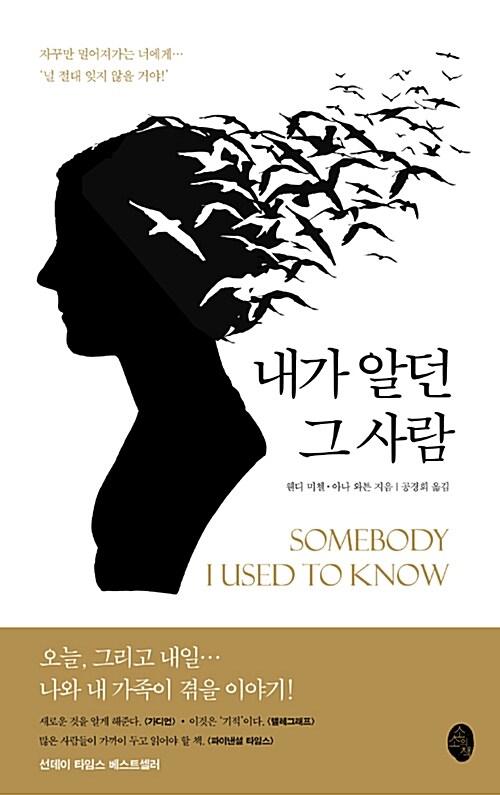
내가 알던 그 사람 
웬디 미첼,아나 와튼 (지은이),
공경희 (옮긴이)소소의책2018-10-30
원제 : Somebody I used to know (2018년)


미리보기

종이책전자책 11,520원
 
Sales Point : 387

9.8 100자평(1)리뷰(24)

 
320쪽 
책소개
웬디 미첼은 NHS(영국의 국민건강보험공단)에서 20년간 근무한 싱글맘이다. 초기 치매 진단을 받은 그녀는 주변 사람들에게 털어놓을 수조차 없는 갑작스런 인지 퇴행을 겪으면서 혼란스러워한다. 간단한 단어조차 생각나지 않고 운전 중 우회전을 못하는 등 스스로 당황스러운 상황이 잦아진다. 낯설고 두려운, 새로운 삶이 시작되었다.

이 책은 웬디 미첼이 치매와 맞서 싸우면서, 그리고 자신의 삶 안으로 포용해나가는 과정을 담고 있다. 흔히들 치매 진단을 받으면 요양원에서 누워 죽음을 기다리는 모습을 상상한다. 하지만 그녀는 직장 생활을 할 때보다 더 바쁘게 생활한다. 과거를 잃어간다는 사실을 잊으려고 현재에 더욱 몰입한다.

치매 환자에 대한 사회적 편견과 선입견을 바꾸기 위해 알츠하이머 협회에서 진행하는 프로젝트에 참여하고, 대중 강연을 하고, 치매 환자들과 교류하고, 블로그를 만들어 자신의 상태를 기록하면서 다양한 정보를 공유한다. 그러는 중에도 딸들을 향한 사랑을 더욱 깊이 간직하려 애쓰고, 그 모든 과정을 누구에게 의지하지 않고 혼자서 해내려 한다.


목차


나이 때문이라고?
아니야, 그럴 리 없어
혼자가 아니야
난 일할 수 있어
‘가치 있는’ 사람이 될 거야
분홍색 자전거를 타고
?스틸 앨리스?를 만나다
준비되지 않은 작별
치매와 ‘함께’ 살기
아직 ‘배울’ 수 있다
해결책은 항상 있어요
도와줘!
떠나가는 것들
바깥세상으로 계속 나아가기
그래도 빼앗기지 않은 것들

감사의 말
옮기고 나서


책속에서


첫문장
저번 날 또 일이 벌어지고 말았어.


난 여기 병원에 혼자 와서, 좁은 신경과 의사의 진료실에 앉아 있다. 여의사는 우리 사이에 놓인 서류를 뒤적인다. 의사가 말을 시작하자 말이 아니라 날 보는 눈빛이 내 마음에 깊이 박힐 것 같다. 측은해하는 기색이 완연한 눈빛. 사실 그녀는 늘 간단히 말하는데, 내가 좁은 진료실로 불려 들어간 후 그마저도 필요 없었다. 의사가 앞에 놓인 서류를 집기 전에 난 힐끗 보고 진단명을 알았다. 알츠하이머. 이제 의사는 문건에 적힌 그 어휘와 다른 어휘?치매?를 가리킨다. 펜으로 두 단어를 교대로 짚으면서, 이게 내 주치의인 가정의에게 보낼 편지라고 설명한다. 이 순간 난 그녀가 두 단어를 지적하는 이유가 궁금할 뿐이다. 내가 그녀의 말을 믿는지 확인하려고, 더 확실히 해두려고 그럴까? 내가 사실을 받아들이는 내색을 하지 않고 무표정해서일까? 난 눈만 움직여 앞에 놓인 문건을 쳐다본다. 난 차분하다. 질문할 게 없다. 대답이 앞에 문서로 남아 있는데 뭘. 비디오에서 키스 올리버는 치매의 여러 긍정적인 면을 말했지만, 난 치매 진단을 받을 준비가 안 되어 있다. 그 허망함에 대비 못했다. 이 단어들이, 이 편지가 모든 것을 바꾸리란 걸 알기에, 내가 아는 삶을 바꿔버리란 걸 알기에. 이 어휘들은 내가 아는 인생을 ‘훔쳐갈’ 것이다. 나는 쉰여덟 살인데, 방금 초기 알츠하이머 진단을 받았다. [난 혼자가 아니야]에서 접기
상태가 나쁜 날, 텔레비전 화면이 꺼지기 시작할 때처럼 흐릿해서 더 이해하기 어려워진다. 안개가 내려앉고 어리둥절해서 눈을 뜬 순간부터 명확한 게 없다. ‘여기가 어디지?’ 침대 옆에 놓인 메모지 속 내 글씨가 낯설기 짝이 없고, 잠든 사이 누군가가 살그머니 들어와 써놓은 어휘 같다. 그런 날이면 아무것도 도움이 되지 않는다. 마치 밤사이 잠결에 뇌가 비워지고 재부팅되어, 공장에서 출시할 때처럼 세팅된 것 같다. 매일 아이패드와 휴대전화 알람이 약 먹을 시간이라고 일깨워준다. 매일같이 하루 두 번 하는 단순한 일이지만, 상태가 나쁜 날은 알람이 울리면 그게 뭔지 모른다. 매번 그렇다. 알람이 없으면 약 복용은 물 건너간 일이다. 그런 날은 내가 엉킨 목걸이 줄 같다. 한자리에 몇 시간이고 앉아 꼬인 매듭을 풀려고 끙끙댄다. 뇌에게 가장 간단한 말을 시키려고 애쓴다. ‘오늘이 무슨 요일이지? 전화기에 알람 설정을 해두었나? 힌트를 얻을 옷가지를 내놓았던가?’ 차분할 때는 참을성 있게 앉아 목걸이를 풀면서, 현실을 파악하거나 안개가 걷히기를 기다릴 수 있다. 하지만 목구멍에 공포가 치밀면, 그게 심장을 삼켜서 박동이 더 세고 빠르고 소란해지면, 내가 지고 말면 이 ‘목걸이’가 답답해진다. 그래서 목걸이를 바닥에 팽개치지 않으려고, 생각이 구슬처럼 흩어지게 하지 않으려고 안간힘을 쓴다. [분홍색 자전거를 타고]에서 접기
치매가 괘씸한 것은, 내게서 빼앗아가는 것 때문이 아니라 딸들을 괴롭히려는 수작 때문이다. 그들에게 초래할 혼란 때문이다. 치매는 멋대로 굴어서 삶을 넝마로 만들고, 온전한 사람이 있던 자리에 망가진 해골을 남겨놓는다. 나는 항상 그 남편처럼 여전히 할 수 있는 일에 집중한다. 영상통화 같은 사소한 수단이 고맙다. 덕분에 여전히 딸들의 얼굴을 보고, 헷갈리는 전화 거는 일을 면할 수 있다. 하지만 그렇지 않은 날도 있다. 그런 때는 치매가 스멀스멀 생각을 파고들어 피하려고 버둥대는 현실을 휙휙 보여준다. 긍정적으로 볼 수 없고, 그날 스치는 생각마다 상실감이 달려든다. 나 자신, 정신, 장래, 현재를 믿지 못하게 만든다. 그 순간 문득 감당하기 버거운 사실이 떠오른다. 미래는 애매한 개념일 뿐, 확실한 것은 내가 퇴행한다는 사실밖에 없다-딸들은 그 과정을 고통스럽게 지켜볼 테고. [아직 ‘배울’ 수 있다]에서 접기
얼른 의문을 지워버린다. 그 생각을 하고 싶지 않다. 현재의 방향으로 돌리고 싶을 뿐, 그 길로 내려가고 싶지 않다. 하지만 그 ‘지금’이 매일 변한다. 오늘의 나는 6개월 전과 다르다. 그때의 나는 1년 전과 달랐다. 본모습을 잃어가고 있다. 그게 가장 두렵다. 내가 가진 건, 우리 모두가 가진 건 그것밖에 없으니까. ‘나’라고 부르는 그것. 새로운 나를, 뿌연 기억을 가진 나를 믿을 수 있을까? 지금부터 6개월이나 1년 후의 그 사람은 어떨까? 그 사람은 해나갈 수 있다고 똑똑히 밝힐 수 있을까? 계속 나아가고 싶다고 말할 수 있을까? (…) 내가 독립적으로 살 수 있는 유효기간이 있음을 안다. 아직 찾거나 알아보지 못한 선택지가 있을지도 모른다. 언제까지 아이패드에 알람을 설정해서 식사와 약 먹는 시간을 챙길 수 있을까? 이런 장치는 혼자 지내게 돕는 기본 요소다. 지금의 나는 요양원 입원을 원치 않는다. 하지만 앞으로의 나는 어떨까? 그 사람은 요양원을 어떻게 느낄까? 난 아직 그 사람을 모르고, 예전의 나를 잊었다. 지금의 나 역시 완전히 신뢰할 수는 없다. 그래서 ‘지금’이 더 좋다. [그래도 빼앗기지 않은 것들]에서 접기
우리가 치매에 걸리겠다고 선택한 게 아니다. 병이 들이닥쳤고, 우린 이유조차 모른다. 그 의문이 치매 환자를 매일 괴롭힌다. 치매는 기억과 존엄을 앗아간다. -213쪽 - 가상
다들 부모가 늙으면 어둔해지는 줄 알아도 평생 사랑한 자녀의 얼굴이나 이름을 잊을 줄은 꿈에도 모른다. 그게 치매의 잔혹성이고, 바로 거기에 죄책감이 깊이 묻힌다. -214쪽 - 가상
치매환자 평가의 근본 문제는, 환자에게 일상의 괴로움을 기억하라고 요구하는 점이다. 난 기억할 수가 없었다. 당연히 기억하지 못하지. 몇 주 후 수급자격 탈락 통보를 받았다...... 정부의 종일 보살핌을 받지 않으려고 노력한다는 이유로 재정적인 생명줄을 빼앗긴 셈이다. 적응하려고 안간힘을 쓴다는 이유로 오히려 불이익을 당하다니. -263쪽 접기 - 가상
“겁먹지 마세요. 혼란스러워지면 안개가 끼고 주변이 낯설어지지만, 기억해야 할 가장 중요한 것은 겁먹지 않는 겁니다. 안개가 걷혀서 세상이 다시 또렷해질 시간을 주세요. 그러면 괜찮아질 겁니다.” - gaudium


추천글
초기 치매 환자의 정신과 마음, 그리고 삶의 내부에서 용기와 밝은 빛이 넘치는 여정.
- 리사 제노바

웬디 미첼은 영감인 동시에 길잡이다. 자신이나 가족이 치매에 적응하려고 애쓰는 이들에게 이 책은 엄청난 도움이 될 것이다.
- 마이클 페일린 (코미디언, 작가)

이 책의 기적은 (치매의) 경험을 포착해 우리에게 보여주는 것이다.
- 텔레그래프

세상에 웬디 미첼 같은 사람이 더 필요하다. 우리 모두 배울 수 있는 책이다.
- 선데이 타임스

웬디 미첼은 치매 환자를 아는 사람이라면 누구나 이 책을 읽어야 한다는 명확한 시각을 제공한다.
- 더 타임스 (The Times)

유머와 센스가 넘치는 이 회고록은 치매 진단을 받은 사람도 보통 사람과 다르지 않다는 것을 보여준다.
- 옵저버

이 책은 치매 진단을 받은 사람들에 대한 인식을 변화시키고 치매 환자를 보살피는 사람들에게 유용한 정보와 통찰력을 제공할 것이다.
- 라이브러리 저널

치매 진단을 받고 깊은 상실감에 빠져 있는 사람들이 반드시 읽어야 할 책이다.
- 북리스트 (미국도서관협회)

이 책에서 웬디 미첼은 알츠하이머 진단 후 고통스러웠던 자신의 삶이 어떻게 바뀌었는지를 이야기한다.
- 커커스 리뷰

이 책을 추천한 다른 분들 :
한겨레
- 한겨레 신문 2018년 11월 2일 출판 새책
동아일보
- 동아일보 2018년 11월 3일자 '책의 향기'
중앙일보
- 중앙일보 2018년 11월 3일자
문화일보
- 문화일보 2018년 11월 2일자


저자 및 역자소개
웬디 미첼 (Wendy Mitchell) (지은이)
저자파일
신간알림 신청

20년 동안 영국국민의료보험(NHS)에서 비임상팀 팀장으로 일하던 중 2014년 7월, 58세에 조기 발병 치매를 진단받았다. 사회나 병원 모두 치매에 대해 아는 것이 별로 없다는 사실에 충격을 받아 치매에 대한 인식을 높이고 진단 이후에도 ‘삶이 있다’는 사실을 알리는 일을 헌신적으로 하고 있다. 현재 알츠하이머병협회의 홍보대사이며, 2019년에는 치매 연구에 대한 기여를 인정받아 브래드포드대학교에서 건강학 명예박사학위를 받았다. 두 딸이 있으며 요크셔주에서 생활하고 있다. 지은 책으로 『내가 알던 그 사람』, 『치매의 거의 모든 기록』이 있다. 접기

최근작 : <[큰글자도서] 치매의 거의 모든 기록>,<생의 마지막 당부>,<치매의 거의 모든 기록> … 총 33종 (모두보기)

아나 와튼 (Anna Wharton) (지은이)
저자파일
신간알림 신청

<더 타임스>와 <가디언>의 기자로 20년간 일했고 여러 편의 논픽션을 썼다. 어느 날 우연히 웬디 미첼의 동영상을 본 아나 와튼은 역시 치매로 고생한 자기 아버지의 모습을 떠올리게 되었다. 그 뒤 런던의 지하철역에서 웬디를 처음으로 만났으며, 치매 진단을 받은 지 3년이 지난 웬디와 서로 유쾌하게 대화할 수 있었다. 그때 웬디는 자신의 이야기를 책으로 쓰는 데 찬성했다. 치매 환자의 삶은 우리 자신, 그리고 주변 사람들과 직접 연결되어 있다는 점에서 이 책은 1인칭 시점으로 서술되었으며 두 사람의 합작품이다.

최근작 : <내가 알던 그 사람> … 총 8종 (모두보기)

공경희 (옮긴이)
저자파일
신간알림 신청

서울대학교 영어영문학과를 졸업하고 전문 번역가로 활동하고 있다. 영미권을 대표하는 수많은 그림책을 우리말로 옮겼다. 옮긴 책으로 《맙소사, 나의 나쁜 하루》, 《행복은 어디에나 있어》, 《곰 사냥을 떠나자》, 《무지개 물고기》, 《비밀의 화원》, 《우리 아빠》, 《갈매기의 꿈》, 《파이 이야기》, 《모리와 함께한 화요일》 등이 있다.

최근작 : <아픈 것에 관하여 병실 노트>,<살아보니 행복은 이렇습니다>,<아직도 거기, 머물다> … 총 628종 (모두보기)


출판사 제공 책소개


치매 진단을 받은 사람이 직접 써내려간 최초의 인생 회고록
“널 잊고 싶지 않아! 하지만 언젠가 너와 헤어져야 한다는 걸 알아.”

기억을 잃어간다는 것은 무엇을 의미할까? 어제의 나를 잊어가고, 내일의 나를 예측할 수 없다는 것은 자신의 삶과 정체성에 대한 혼란과 공포를 불러일으킨다. 58세에 치매 판정을 받은 웬디 미첼은 그런 상황에서도 절망하지 않고 자기 내면 속의 슬픔과 사랑을 이야기하면서 깊은 감동과 통찰, 그리고 희망과 용기를 끝까지 잃지 않는다.

★ 새로운 것을 알게 해준다. <가디언> ★ 이것은 ‘기적’이다. <텔레그래프> ★ 많은 사람들이 가까이 두고 읽어야 할 책. <파이낸셜 타임스>

‘그럴 리 없다’고 생각했지만… 이제부터 어떻게 살아가야 할까?
“가장 소중한 너마저 알아보지 못하는 순간이 오더라도 난 널 여전히 사랑해!”

처음엔 단순 뇌졸중 같았다. 강변을 달리는데 머릿속이 멍하고 평소의 내가 아닌 느낌이 들었다. 그러다가 한순간 넘어져 바닥에 얼굴이 부딪혔다. 아스팔트에 파인 자국도, 건들대는 블록도, 발부리에 걸릴 물체도 없는데. 그런데 왜 그랬을까? 병원에서 이런저런 검사를 받고 이상 증세의 원인을 찾는 날들이 이어지고…… 자꾸만 주위를 어슬렁대는 단어 하나, 치매.
2014년 7월, 좁은 진료실로 들어가 의사 앞에 놓인 서류를 힐끗 보았다. 알츠하이머. 한순간 마음이 차분해지고 질문할 게 없다. 쉰여덟 살, 방금 초기 치매 진단을 받았다. 몇 주 전 연금회사가 66세에 은퇴하면 된다고 했는데…… 의사가 말한다. “행운을 빌어요.” 이것은 또 다른 시작일까? 아직은 엄마로서 두 딸에게 활기찬 모습을 보여주고 싶지만 남 얘기 하듯 말한다. “예상한 그대로야.”

고령화 사회로 접어든 우리나라에서도 치매가 중요한 사회문제로 떠올랐다. 영화나 TV 드라마에서는 치매가 단골 소재로 다루어지고 있다. 국민건강보험공단의 조사 분석 결과에 따르면 치매 환자가 50만 명이 이르고 매년 10퍼센트씩 증가하고 있으며, 진료비가 2조 원에 육박했다고 한다. 노인 10명 중 1명이 치매를 앓고 있는 것이다. 그 심각성을 인지한 정부에서도 치매 국가책임제를 시행하고 있지만 치매 질환자와 그 가족은 여전히 경제적?정신적 고통을 감내하고 있다.
그런데 아직까지 치매 환자를 바라보는 사람들의 눈길이 곱지만은 않다. 그들을 어떻게 대하고 보살펴야 하는지조차 알지 못한다. 초기 단계인데도 방치해두는 경우가 많다. 그러다 보니 증세가 빠르게 악화된다. 가족들은 당혹스러워하고 현실을 받아들이기 힘들어한다. 이 책의 주인공이자 저자인 웬디 미첼의 이야기는 치매를 앓는 사람이 그 과정을 직접 써내려갔다는 점에서 감동적이고 의미 있게 받아들여진다. 웬디 미첼은 치매 판정을 받더라도 어떤 마음을 갖느냐에 따라 얼마든지 인지 퇴행을 늦출 수 있고, 기억을 잃어가더라도 소중한 것들을 간직할 수 있으며, 가족 또는 주변 사람들과 새로운 관계를 맺어갈 수 있음을 생생하게 보여준다. 또한 마음속 두려움과 공포, 좌절, 불안 등에서 벗어나 현실을 긍정적으로 바라보면서 잃어버린 활기를 되찾아가는 과정을 솔직하게 증언한다.

웬디 미첼은 NHS(영국의 국민건강보험공단)에서 20년간 근무한 싱글맘이다. 초기 치매 진단을 받은 그녀는 주변 사람들에게 털어놓을 수조차 없는 갑작스런 인지 퇴행을 겪으면서 혼란스러워한다. 간단한 단어조차 생각나지 않고 운전 중 우회전을 못하는 등 스스로 당황스러운 상황이 잦아진다. 낯설고 두려운, 새로운 삶이 시작되었다!
이 책은 웬디 미첼이 치매와 맞서 싸우면서, 그리고 자신의 삶 안으로 포용해나가는 과정을 담고 있다. 흔히들 치매 진단을 받으면 요양원에서 누워 죽음을 기다리는 모습을 상상한다. 하지만 그녀는 직장 생활을 할 때보다 더 바쁘게 생활한다. 과거를 잃어간다는 사실을 잊으려고 현재에 더욱 몰입한다. 치매 환자에 대한 사회적 편견과 선입견을 바꾸기 위해 알츠하이머 협회에서 진행하는 프로젝트에 참여하고, 대중 강연을 하고, 치매 환자들과 교류하고, 블로그를 만들어 자신의 상태를 기록하면서 다양한 정보를 공유한다. 그러는 중에도 딸들을 향한 사랑을 더욱 깊이 간직하려 애쓰고, 그 모든 과정을 누구에게 의지하지 않고 혼자서 해내려 한다.

비록 내가 알던 ‘그 사람’은 점점 멀어져가지만
내 삶과 소중한 것을 포기할 순 없어!
“얘들아, 너희를 못 알아보는 날이 오더라도 여전히 사랑한다는 걸 잊지 말아줘.”

잊지 않을 거라고 매번 다짐한다. 지난 추억이 담긴 사진들을 벽에 매달아놓고, 매일 아이패드와 휴대전화에 알람을 설정한다. 머릿속에 안개가 짙게 끼는 날에는 조용히 앉아 정원을 내다보며 겁먹지 말고 기다린다. 그러면서 내일은 더 나을 거라고 나 자신을 위로한다. 영화 ?스틸 앨리스?의 시사회에도 참석하여 세계적인 스타 줄리안 무어에게 말한다. “순간을 위해 살아요. 이제는 계획을 세우지 않지요. 다가오는 하루하루를 그냥 즐겨요.”
이제 치매와 함께 살아가는 데 익숙해져간다, 하루하루 상태가 더욱더 악화되어가지만. 옆자리는 늘 비어 있고 자취를 감춘 친구들도 있지만 누구의 도움도 받지 않고 여전히 혼자서 생활한다. 집 안에서 가만히 앉아 병이 깊어지기를 기다릴 수는 없기에 더 나은 환경을 찾아 이사도 하고, 가구 안의 물건들을 찾을 수 있도록 사진을 찍어 붙여둔다. 그런 노력을 비웃는 듯 생각이 통제력을 잃고, 공포가 엄습하고 두려움이 머릿속을 휘저으면서 글자를 입력하기조차 힘들어지는 날이 왔다. 블로그를 못 쓰면 어떻게 기억을 저장하지? 어떻게 의사소통할 수 있을까? 화면에 대고 소리치고 싶다. ‘도와줘!’라고.

웬디 미첼은 치매 진단을 받은 뒤에도 결코 자신의 삶을 포기하지 않았다. 기억을 잃어가면서도 자신이 고민하고 생각하는 것들을 주변 사람들과 적극적으로 나누고, 자신의 병을 숨기려 하지 않고 용기 있게 드러냈다. 그녀의 이야기는 많은 치매 환자에게 따뜻한 위로와 유용한 조언이 되고 있다. 예전의 나를 잃어간다는 것이 어떤 의미인지, 그리고 치매 진단을 받더라도 얼마든지 ‘가치 있게’ 살아갈 수 있으며 주변 사람들을 알아보지 못하더라도 그 사랑과 행복했던 감정은 잃어버리지 않았음을 보여주고 있다.
치매는 언제든, 누구에게나 찾아올 수 있다. 그것도 불시에. 그런 경우 우리는 어떻게 받아들이고 행동해야 할까? 마땅한 치료법조차 없이 ‘살아 있는 죽음’의 과정을 겪으면서 얼마나 슬퍼하고 좌절하게 될까? 그런 점에서 이 책은 나와 내 가족, 그리고 주변 사람이 조만간 겪을지도 모르는 상황에 좀 더 현명하고 차분하게 해결해나가는 길을 알려주고 치매 환자에 대한 인식을 새롭게 바꿔준다. 접기
 
평점
분포

9.8


나라면 어떻게 했을까 ? 라는 생각을 정말 많이 한 책입니다.
절망적인 상황에서도 희망을 따라 나아가는 저자의 강인함과 꾸준함을 배우기 위해 노력 또 노력해야겠어요
행복은사랑 2023-08-11 공감 (0) 댓글 (0)

===

마이리뷰
구매자 (0)
전체 (24)
리뷰쓰기
공감순


내가 알던 그 사람

얼마 전에 치매의 영어 표현인 ‘dementia’의 어원을 알게 되었는데요. 정신을 뜻하는 ‘mens’에 떨어져나가다에 분리되거나 감소하는 뜻의 ‘de’를 붙인 것이었어요. 그래서 문득 치매는 어떤 한자어인지 살펴보다 조금은 당황하고 실망했었는데요. 아마 우리나라가 갖고 있는 치매에 대한 이미지가 어쩌면 저 역시 그 일부일 뿐이겠지만 딱 그 한자어의 풀이인 어리석고 어리석어지는 병이라는 수준이 아닐까 하는 생각도 들더군요. 하지만 치매라는 질병은 남의 것처럼 이야기하기 힘듭니다. 우리나라에서도 고령자의 치매 유병률이 상당히 높은 수준으로 알고 있으니까요. 그렇다면 치매에 대해 조금 더 제대로 이해하려는 노력이 필요하지 않을까 하네요. 치매를 앓게 된 환자나 그 보호자 그리고 그들을 둘러싸고 있는 사회 속에서 살아가고 있으니까요.


이번에 읽은 <내가 알던 그 사람>은 그런 의미에서도 참 좋아요. 58세에 알츠하이머, 초기 치매 진단을 받은 웬디 미첼과 작가 아나 와튼이 함께 쓴 책인데요. 치매에 대해서 조금 더 잘 알 수 있게 해주는 책이거든요. 예전에 <주문을 틀리는 요리점>을 읽을 때도 느낀 것인데, 우리가 갖고 있는 치매에 대한 편견은 상당한 수준입니다. 매체에서 너무나 극단적인 모습만을 묘사하는 경우가 많아서일까요? 치매라는 병은 상당히 서서히 진행되고, 나아가서 치매라는 병을 너무나 부정적으로만 생각하지 않는다면 그 과정을 각자의 방법으로 수용할 수 있지 않을까 하는 생각도 들었어요. 그녀의 삶처럼 치매를 안고 살아가야 한다면, 그 역시 인간의 품위를 잃지 않고 그 길을 걸어갈 권리가 있는 것이니까요.


런던올림픽에도 자부심을 들어냈던 영국의 국가의료체제 NHS에서 의료지원 팀장으로 일했던 그녀는 자신이 잃어가는 것들, 그 과정을 이렇게 책으로 남겼습니다. 책의 표지처럼 서서히 기억이 사라져가고, 아무렇지도 않았던 일상에서 불편함을 겪게 되지만, 자신의 상태를 담담하게 들려주고 있죠. 하지만 그 상황에서도 자신의 삶을 충분히 누리고 만끽하고, 또 치매라는 병을 더 잘 알기 위해 공부하고, 사람들과 그 것을 나누면서 알차게 시간을 보내는 모습이 인상적이었어요. 왜인지 몰라도, 치매하면 침대에 누워 있는 분들을 많이 떠올리게 되기 때문에, 자신의 삶에 찾아온 치매와 함께 자신의 방식대로 살아가는 모습이 감탄스럽더군요. 물론 치매는 두려운 병입니다. 그녀가 아침마다 자신이 ‘어떤 나’일지 생각하며, 그래도 그 차이를 구분할 수 있는 상황에 감사하는 것을 보며, 과연 나라면…? 이라는 생각을 멈추는 것이 쉽진 않았어요. 하지만 분명한 것은 치매에 대한 제 생각이 많이 변했고, 사회의 시선도 마땅히 변해야 한다고 생각하게 되었습니다.


- 접기
하나 2018-12-07 공감(11) 댓글(0)
Thanks to
공감


[내가 알던 그 사람] 치매 진단을 받은 사람이 직접 써내려간 인생 회고록


살다보면 나와 거리가 먼 이야기라고 생각하던 것이 내 문제가 되어있는 경우가 종종 있다. 상상도 못하다가 어느새 나의 문제, 혹은 가족의 문제가 되어있을 경우 그 당혹감은 말로 다 표현할 수 없을 것이다. '치매'라는 질병이 바로 그럴 것이다. 자신의 문제가 되는 것은 상상도 하기 싫지만, 누구나 한 번쯤은 생각해보아야 할 문제 아닐까. 예전에『스틸 앨리스』(개정 전『내 기억의 피아니시모』)를 읽으며 그런 생각이 들었다. 그동안 치매 환자 본인의 입장이 아닌, 주변인으로서의 고통만을 생각했다는 것을 말이다. 그 작품은 소설이었지만, 이번에는 에세이다. 치매 진단을 받은 사람이 직접 써내려간 글이라는 점에서 이 책을 꼭 읽어보아야겠다고 결심했다. 읽고 싶다는 생각 이상으로 '읽어야 한다'는 의무감에 이 책『내가 알던 그 사람』을 읽어보게 되었다.

이 책은 1인칭 시점으로 서술되었으며 웬디 미첼과 아나 와튼의 합작품이다. 웬디 미첼은 영국의 국민건강보험공단 소속 의료지원팀장으로 20년간 근무하던 중 2014년 7월에 초기 치매 진단을 받았다. 사회와 진료기관 모두 치매 질환을 잘 모르는 데 충격을 받은 웬디 미첼은, 치매를 알리고 진단을 받은 이후에도 삶이 있음을 전파하는 데 여생을 바치기로 마음먹었다. 현재 알츠하이머 협회의 홍보대사로 활동 중이다. 아나 와튼은 <더 타임스>와 <가디언>의 기자로 20년간 일했고, 여러 편의 논픽션을 썼다. 어느 날 우연히 웬디 미첼의 동영상을 본 아나 와튼은 역시 치매로 고생한 자기 아버지의 모습을 떠올리게 되었다. 그 뒤 런던의 지하철역에서 웬디를 처음으로 만났으며, 치매 진단을 받은 지 3년이 지난 웬디와 서로 유쾌하게 대화할 수 있었다. 그때 웬디는 자신의 이야기를 책으로 쓰는 데 찬성했다.

영국 요크 시에 사는 58세 여성 웬디 미첼은 NHS(영국의 국민건강보험공단) 소속으로 간호사의 근무 일정을 작성하는 팀의 노련한 팀장이다. 웬디는 싱글맘으로 두 딸을 키웠고, 이혼 후 청소부였지만 뛰어난 기억력과 일처리 능력 덕분에 현식에 이르러 은퇴를 몇 년 앞두고 있다. 그런 어느 날 머릿속이 뿌예지고, 언어 구사력이 떨어지고, 달리다가 넘어지는 일을 겪는다. 과로와 노화 때문으로 여기지만, 그때부터 초기 알츠하이머 환자의 삶이 시작된다. 알츠하이머 진단을 받기까지의 과정, 장기간의 관찰 후 진단이 내려지는 과정, 진단 후 병을 안고 직장 생활을 하는 모습, 병에 대해 공부하고 같은 병을 앓는 이들과 만나면서 사람들에게 질병을 알리고 치매 치료제 개발 연구에 참여하며 삶을 가꾸어가는 여정이 이 책에 고스란히 그려진다. (317쪽_옮기고 나서 中)


부모가 아프면 자식에게 숨기려고 하다가 일을 크게 만드는 경우가 많다. 자식 마음에도 대못을 박는다는 것을 모르고, 안 아픈 척 하는 것이 자식 걱정 덜게 만드는 일이라고 생각하는지, 무조건 괜찮다고만 하는 어르신들이 많다. 그래서 웬디 미첼의 딸 새러가 엄마에게 하는 말을 보며 격한 공감을 했다. "엄마가 저한테 의지해도 된다는 걸 아시면 좋겠어요." 특히 치매는 주변인의 도움이 절실한 질병이니 몸과 마음의 준비가 더욱 필요한 일이다. 하지만 보통 그 입장이 되면 주변의 도움을 받는 것보다는 자신의 힘으로 해내고 싶은 생각에 안간힘을 쓰게 되나보다. 기억을 잃을 수록 당혹스럽고 처절한 경험이 늘어나고, 당연하던 일상이 낯선 일이 되어버려 집 안에서도 길을 잃는다. 이런 경험들을 1인칭 시점으로 무덤덤하게 써내려갔다.

치매라는 질병을 직접 겪는 사람의 내면으로 들어가보는 듯한 느낌을 주는 책이다. 인간에 대한 이해의 폭을 넓힌다. 나 자신과 주변 사람, 특히 치매에 걸린 사람의 생각에 한 걸음 다가가는 느낌으로 이 책을 읽어나간다. 한꺼번에 기억을 모두 잃어버리는 것이 아니라, 점점 약해지고 무력해지는 자신을 발견한다는 것이 어떨지, 아주 조금은 알 듯하다. 그때가 오지 않는다면 가장 좋겠지만 사람 일은 알 수 없는 것이다. 혹시나 한 번쯤 생각해보아야할 문제들을 저자의 이야기를 통해 미리 만나보며 생각에 잠기는 시간을 갖는다.


암에 걸렸다면 선택지가 더 많겠지만- 단순히 치료 거부만으로도 죽음을 선택할 수 있다 - 치매를 앓으니 뇌가 버티는 한 고통이 계속된다. 난 무력하다. 무력해서 원하는 삶을 못 사니, 통제력을 최대한 발휘해도 지는 싸움을 한다는 생각이 많이 든다 - 정말 그렇다. 그런데 무력해서 죽지도 못한다. 스위스에 가고 싶다. 그런데 두 딸이 저희끼리 돌아와야 되니 그럴 수가 없다. 영국에서 자살을 돕는 게 합법이라면, 내 안락사를 도운 후 딸들이 곤경에 처하지 않는다면 난 맨 먼저 그러고 싶다. 유일한 문제는 시기일 텐데, 지금 생사의 중간 지대에서 산다. 계속 살아 점점 절벽 끝에 다가서는 나 자신을 보고 싶을까? 이만하면 충분히 멀리 왔다고 말할 때가 언제일까? 확실히 알 때는 - 절벽 끝이 코앞이라서 아래 허공이 보일 때 - 너무 늦어서 그 말을 못할까? (300쪽)


우리는 누구나 노화의 과정을 거치며, 예전의 모습이 유지되지는 않는 삶을 살아간다. 지긋지긋하던 과거를 결국 미화시키는 것은 어쩌면 다시는 돌아갈 수 없는 '내가 알던 그 사람'이기 때문일 것이다. 책 중간중간에 웬디 미첼이 자기 자신에게 하는 말을 보며 생각에 잠긴다. "얘들아, 너희가 방에 들어왔는데 내가 못 알아보는 날이 올 거야. 그렇게 되더라도 너희를 여전히 사랑한다는 걸 잊지 말아줘."라는 띠지 말의 깊이와 감동을 느끼며 생각에 잠긴다. 이 책을 읽으며 누구나 한 번쯤 생각하고 마음의 대비를 해놓아야 할 질병인 치매에 대해 깊이 생각할 수 있기에 일독을 권한다.
- 접기
카일라스 2018-11-11 공감(7) 댓글(0)
Thanks to
공감


[서평/에세이] 치매 진단을 받은 한 여성의 회고록 『내가 알던 그 사람』


<내가 알던 그 사람>


치매에 걸리면 암을 걸렸을때보다 훨씬 더 많은 충격을 받게 된다고 한다. 현재 치매는 그 원인에 대해 학계에 다양한 학설들이 있지만 대부분 치매에 대한 정확한 원인규명을 할 수 없어 불치병에 가깝다고 할 수 있다. 치매라는 질병은 더이상 남의일이 아니다. 우리가족이 될 수도 내가 될 수도 있다. 예전에 티비 프로그램에서 치매의 발병나이가 점점 빨라지고 있고 심지어 30대에서도 치매가 발병하는 걸 볼 수 있기때문에 치매는 더이상 자신의 일이 아니라고 부정할 수 없다. <내가 알던 그 사람>은 치매 진단을 받은 사람이 써내려간 자신의 삶에 대한 회고록으로 기억을 잃으면 무엇을 어떻게 잊어가고 망가져가는지 그리고 그 과정에서 겪는 아픔에 대한 솔직한 저자의 고백이 적혀있다.

보통 치매에 걸리면 미래를 가장 먼저 잃어버린다고한다. 즉 미래에 무엇을 하고 어떻게 할지를 기억하지 못한다. 예를들어 밥먹고 30분후에 반려견과 산책을 가야지하고 다짐하고 그 기억을 잃어버리는 것이다. 이 책은 기억을 잃으면 무엇을 잃게 되고 기억할 수 없는 고통이 점차 현재를 망가뜨리게 되는 무섭고 두려운 치매를 걸린 저자가 기억상실로 모든 것을 잃어버리게 된다면 앞으로 어떻게 살아가고 무엇에 가치를 두고 살아가게 될 것인지 그리고 가장 소중한 사람을 못 알아볼 때 그 상실감과 괴로움에 대해 어떻게 대처하며 나아가야할지에 대한 이야기이다. 이 책의 저자 웬디 미첼은 58세에 치매 판정을 받고 삶과 정체성에 대한 큰 혼란을 겪었고 자신의 삶과 정체성에 대해 가장 심오한 질문을 던지며 예전에 자신을 점점 잊어가는 그 괴로움이 어떤 것인지 보여준다. NHS의 힘든 업무 능력과 운전하고 요리하고 조깅하는 능력이 차근차근 없어질때 저자의 아픔과 혼란스러움을 고스란히 보여주는 이 책은 철학적이고 깊은 감동과 통찰력과 궁극적으로 희망을 주는 인간의 가장 근본적인 것에 대해 보여준다.

그동안 치매에 대해 단순히 멀게만 느껴졌던 과거와 달리 이 책을 읽으면서 치매가 가져오는 인간이 점차 인간성에 대해 잊어버리는 것에 대해 궁극적인 것에 대해 질문하게 되었다. 이 책은 단지 치매가 걸린 환자의 말을 담은 회고록을 넘어 치매가 점차 모든 것을 바꾸는 삶을 경험할 때 절실하게 자신의 삶과 정체성에 대해 고민했던 한 여성으로서의 용기있는 증언이었다.


- 접기
별하나의사랑과 2018-11-29 공감(4) 댓글(0)
Thanks to
공감


치매를 안고 사는 환자의 수기

진즉에 읽었어야 하는 책입니다. 초기 치매로 진단을 받은 환자가 치매라는 진단을 받아들이는 과정, 자신이 치매라는 진단을 받았다는 사실을 주변에 어떻게 알렸는가, 치매가 진전되면서 겪은 일상의 삶에서의 어려운 점을 어떻게 극복하고 있는가 등을 기록한 책입니다. 치매에 관한 책은 많이 나와 있습니다만, 치매환자의 입장에서 쓴 책은 10여 년 전에 나온 <내 기억의 피아니시모>에 이어 두 번째입니다.

치매에 관한 책을 두 차례에 걸쳐 개정해오면서도, ‘치매로 진단을 받았다고 하면 인지기능이 떨어져 일상생활이 어렵기 때문에 누군가의 도움이 필요하다’라고 생각해왔던 것 같습니다. 그래서 이 책을 읽으면서 아주 충격이 컸습니다. 지금까지는 치매환자를 치료하는 방법과 일상생활이 어려워진 환자를 어떻게 돌볼 것인가에 주로 관심을 두고 있었던 것입니다. 즉 치매로 진단받은 초기 환자가 독립적으로 생활하기 위해서는 어떤 도움이 필요할 것인가에 대해서는 따로 생각해본 적이 없었던 것입니다.

이 책을 읽으면서 치매 초기 환자도 질병의 진행이 일정한 단계에 이르기까지는 충분히 독립적으로 생활할 수 있다는 점을 확인할 수 있게 되었습니다. 다만 환자 주변에서 그리고 지역사회에서도 어떻게 지원할 것인가 하는 문제를 생각해보는 계기가 되었습니다. 이 책을 쓴 웬디 미첼씨는 박지성 선수가 활약한 맨체스터에서 조금 떨어진 리즈라는 곳에서 살고 있습니다.


치매 진단을 받게 된 계기는 뇌졸중에서 회복된 이후입니다. 처음에는 운동장애가 생겼기 때문에 의료진 역시 뇌졸중의 후유증일 가능성을 우선적으로 생각했던 것 같습니다. 뇌졸중 때문에 치매가 올 수도 있습니다마나, 불과 3개월 만에 생기지는 않습니다. 따라서 웬디씨가 알츠하이머병으로 진단되는데까지 상당한 시간이 경과하였습니다.


두 딸이 있지만 돌봄의 부담을 지우지 않기 위하여 조그만 도시로 이사를 하고 독립적으로 살기 시작하였습니다. 치매를 앓으면서도 치매에 대한 사회적 인식을 높이기 위한 활동에도 참여하게 되었는데, 이와 관련하여 기차를 타고 런던까지 왕복하는 수고를 아끼지 않았다고 합니다.


우리나라 역시 치매를 앓은 환자들이 급증하고 있어 사회적 부담이 늘고 있습니다. 정부에서도 말기 환자를 어떻게 돌볼 것인가에 중점을 둔 정책을 마련하고 있는 것 같습니다. 보건의료 분야에서도 치료보다 예방이 중요한 영역이 있습니다. 치매 역시 예방이 중요하고, 조기 진단에 따른 적절한 치료를 제공함으로써 일상적인 생활을 최대한 영위할 수 있도록 하는 것이 최선일 것입니다.


이 책에서 조기 진단과 초기 환자가 독립적으로 살아갈 수 있도록 지원하는 방안을 마련하는 것에 대한 생각을 얻었습니다. 웬디씨가 살고 있는 영국에서는 이런 활동이 상당한 수준에 이르고 있는 것 같습니다. 이 기회에 관련 자료를 검토하여 제가 쓴 책에 반영할 필요가 있겠습니다.


치매는 사회적 부담이 큰 질환입니다.(사실은 치매는 다양한 원인질환에 따라서 나타나는 증상을 말하는 것이라서 질환이라 할 수는 없지만 오랫동안 질병의 형태로 인식하고 있었기 때문에 이렇게 적었습니다.) 따라서 치매에 대하여 상세하게 알고 있어야 조기 진단이 가능하고, 적절한 치료를 받음으로써 정상적인 삶을 오랫동안 영위할 수 있습니다. 두려워한다고 해서 외면하고 있으면 완치 가능한 경우도 치매로 오인하여 오랫동안 고통을 받을 수 있으며, 치매로 진단되는 경우도 적절한 치료를 받아 완치는 어렵지만 병증이 급격하게 나빠지는 것을 막을 수 있습니다.


웬디씨가 치매에 대한 강연에서 “저는 시달리는 것이 아니라 치매를 안고 살고 있습니다(185쪽)”라고 말하는 대목이 아주 인상적입니다. ‘시달린다’에는 치매와 싸우다가 결국은 굴복하고 말 것이라는 생각을 떠올리게 된다는 것입니다.
- 접기
처음처럼 2019-06-05 공감(1) 댓글(0)
Thanks to
공감


내가 알던 그 사람 - 소소의책


내가 알던 그 사람

작가 웬디 미첼

출판 소소의책


어느 날, 갑자기, 왜?, 무슨 이유로, 너무나 낯선, 전혀 다른 나와 마주하게 된다면 어떤 느낌이 들까요. 그런 느낌을 겪어보지


못한 사람들은 과연 그 느낌을 상상이라도 할 수 있을까요?


내가 알던 그 사람, 바로 작가 자신의 이야기를 담은 책이예요. 치매를 앓기 전 내가 알던 그 사람과 치매를 앓고 치매가 진행


되며 달라지는 자신을 느끼며 그것들을 기록한 이야기가 담겨있어요.


작가 웬디는 자신의 기억력이 너무나 뛰어났던 사람이라 60도 안된 나이에 찾아온 치매라는 자신의 병명을 받아들이기 너무나


어려웠을 것 같아요. 그녀의 삶은 자신을 위한 삶이었는지 딸들을 위한 삶이었는지도 생각해 봐야 할 것 같아요. 내가 웬디와


같은 상황이었다면 그 상황을 견뎌내며 두 딸을 키워낼 수 있었을까 하는 의문도 생겼지요.


사람은 어디에서 와서 어디로 가는 걸까라는 생각도 들게 했구요. 내 가족이 겪을 수도 그 당사자가 내가 되지 말라는 법도


없는 치매라는 병을 이렇게 잘 견뎌내며 자신의 삶을, 자신의 스케쥴을 스스로 소화해 내는 웬디가 대단하다고 느껴지기도 했죠.


그녀는 강한 사람이었어요. 생각해 보니 저는 어려서는 부모님의 그늘에서 별 어려움 없이 성장했고 또 다른 사람들과 비슷한


평탄한 삶을 살아가고 있는 중이예요. 학교를 다니고 직장 생활도 해보고 결혼을 하고 아이를 낳고 주부라는 삶을 살고 있지만


저는 한번도 직업란에 주부라고 적어 넣은 적이 없어요. 언제나 기타란을 체크하곤 하죠. 굳이 따지자면 백수라고 하는게 제일


알맞는 직업인 것 같아요. 하지만 그녀는 두 딸을 낳았고 어린 딸들을 두고 남편은 그녀를 떠났어요. 두 딸을 지키기 위해 일을


해야했고 두 딸의 스케쥴에 맞는 직업을 선택해야만 했고 두 딸이 10대가 되어 어느 정도 그들만의 생활이 익숙해질 수 있었을


때에 다른 직업을 선택할 수 있었어요. 그녀의 삶은 두 딸에게 맞추어졌던 것 같아요. 두 딸과 그녀의 일에 너무나 완벽했던


그녀에게 찾아온 치매라는 병명은 내가 그 상황이라도 받아들일 수 없는 일일것 같아요. 가족들도 마찬가지이겠죠.


치매 뿐만 아니라 어떤 병이라도 가족들은 상심하고 받아들이기 어려워요. 하지만 점점 사라져 가는 기억을 내가 나를 기억하지


못하는 것은 어떤 병보다 쓸쓸하지 않을까 싶어요.


그녀가 진단을 받고 살아온 삶에 박수를 보내고 앞으로 남은 삶을 응원하고 싶습니다. 그녀가 할 수 있는 범위내에서 너무


무리하지 말고 하고 싶은 일들을 꼭 해낼 수 있기를 바라봅니다.


- 접기
장소민 2018-11-15 공감(1) 댓글(0)
Thanks to
공감


[마이리뷰] 내가 알던 그 사람


gaudium 2023-01-28 공감(1) 댓글(0)
Thanks to
공감


내가 알던 그 사람


만약 내가 치매에 걸린다면 어떻게 될까. 생각만 해도 끔찍하지만, 이 잔인한 병이 나를 비켜가리라 확신할 수 없다. 설사 내가 아니더라도 나의 부모, 형제, 주변인들 중 치매에 걸리지 않는다고 단언할 수 있을까? 그도 그럴 것이 예방법은 커녕 치매의 원인조차 발견되지 않고 치료법 또한 없는 상황이다. 갑자기 달라진 모습에 자신은 물론, 주위 사람들도 당황스럽고 힘들다. 몸이 아니라 정신이 아픈 것이니 예상치 못한 사건들이 벌어지고 주위 사람들과 소통도 힘들고 혼란스러운 상황들이 이어질 것이다. '왜' 그러는지 논리가 적용되지 않는 병인 것이다.


이 책은 '치매 환자'의 시선으로 서술 되어 있어 더 사실적이고 직접적으로 다가온다. 너무나도 잘 알고 있는 '나'의 존재가 어색하게 느껴진다. 이 책의 제목, '내가 알던 그 사람'이 바로 나 자신을 가리키는 말이 될 줄이야. 전조 증상이 명확하지 않다는 것도 처음 알았고 두려웠다. 원인을 모르겠지만 몸과 발음이 둔해지고 피로감이 몰려온다. 작품 내 화자는 평소 운동도 열심히 하고 -심지어 병원에서-일도 라고 있으며 사람들과 좋은 관계도 활발하게 이어오고 있다. 어느 날, 운동하다 갑자기 넘어져 코를 깨졌다. 병원에 가도 나이 때문에 몸이 둔한 탓, 어딘가 걸려 넘어진 탓이라 생각하지만 사실 치매의 시작이었던 것이다.


"길을 잃는 걸 개의치 않고 산 중간으로 들어가곤 했지. 길을 잃어도 주변 지형을 잘 알았으니까 - 멀리 있는 지표와 낯익은 풍경을 보고 직감을 따라가면 됐으니까. 난 그럴 수 없어. 이제 그렇게 못해."_p.15


치매임을 인지하고 준비하는 과정에, 역시 주변 사람의 원조가 크다고 느껴졌다. 정신적으로도, 육체적으로도. 주인공의 주변에 딸이 있어 의지할 수도, 자신의 생활을 돌봐줄 수도 있지만 무엇보다 스스로가 버티지 못할 때 곁에 있는 것으로도 의지가 되었다. 나도 상대방에게 의지가 될만한, 또는 누군가 의지를 줄 정도의 관계가 있을지 되새겨보는 계기가 되었다. 동시에 '치매'는 누군가 곁에서 항상 신경 쓰고 지켜봐야 하는 존재인데, 가족이 아니면 이를 감당하고 옆에 쭉 있어줄 사람이 있을까 걱정스럽기도 한다. 머지않은 미래엔 치매에 대한 확실한 해결책과 예방이 확실히 이루어졌으면 좋겠다. 더 이상 아파하는 사람들이 없도록.
- 접기
셰퍼드 2018-11-15 공감(1) 댓글(0)
Thanks to
공감


94.내가알던 그사람


치매에 대한 미국의 시사 주간지의 글을 읽은 적이 있었다. 아직은 치매에 대한 치료제는 없고 치매를 늦추는 치료만 진행되고 있다는 이야기를 보았다. 더불어 주목했던 것은 60세부터 많은 사람들이 치매증상이 오기 시작하며 80세가 되면 거의 대부분 치매증상을 앓는 다는 이야기였다. 남의 일이 아닌 우리의 일이고 머지않아 나에게도 닥쳐올 수 있는 하나의 통과의례(?)일지도 모른다는 생각에 두려움이 앞선다. 웬디 미첼의 이 이야기는 단지 그만의 이야기가 아니며 나의 이야기이며 곧 우리의 이야기라고 할 수 있다. 그것도 1인칭 화법을 사용해서 현실감을 극대화하였다. 처음 이상 징후부터 시작하여 자신이 치매 판정을 받기까지의 과정을 묘사한 부분은 한편의 영화를 보는 것처럼 긴장감있고 한편으로는 안타까움이 묻어났다. 그리고 답답했다. 또한 스스로 ‘과거의 나’ - 다시 말해 제목인 내가 알던 바로 나인 그사람 -를 회상하는 장면에서 만약 나라면 어떤 기분일까? 주인공 웬디처럼 저렇게 담담하게 이야기를 할 수 있을까? 하는 생각이 들었다. 치매에 대한 자세한 이야기도 인상깊다. 106쪽과 107쪽에 치매현상을 책꽂이로 비유하는 부분은 치매란 무엇인가에 대한 정확한 진단이 아닐까 한다.


그가 치매라는 삶과 맞서 현재를 살아가는 모습은 우리의 일상과 다르지 않다. 그는 쉽게 좌절하지도 않았고 그렇다고 또 이전과 똑같이 살지도 않는다. 치매반응에 순응하며 그리고 그것에 적절하게 대응해서 살아간다. 그런 모습에서 우리는 치매라는 것이 마치 죽기전의 마지막 질병(?)인 것처럼 인식해왔던 것에서 벗어나 이것이 우리가 겪는 하나의 질병처럼 인식이 되기도 한다.


이 책은 한 명의 치매환자의 감동수기라기를 넘어 치매라는 것이 얼마나 우리와 가까이 존재하며 그것이 가지고 있었던 여러 통념에서 벗어나게 해주는 역할을 해준다. 우리는 모두 늙어가고 있고 죽기전에 치매라는 하나의 질병을 거쳐갈지도 모른다. 아직까지 완치약은 없는 불치의 병이긴 하지만 우리는 이것을 잘 조절할 수 있다고 생각한다. 사회의 배려를 통해 그들과 공존하는 법을 더 배워야 하고 결국에는 이런 변화가 나에게도 많은 혜택을 주리라 믿어야 한다. 이 책은 치매에 대한 고정관념을 던지고 고령화 사회를 맞아 우리의 인식의 변화를 촉구하는 하나의 외침이라고 생각된다.
- 접기
freearch 2018-11-15 공감(1) 댓글(0)
Thanks to
공감


내가 알던 그 사람

표지 그림부터가 매우 강렬한 책, '내가 알던 그 사람'. 마치 머릿속의 기억들이 새가 훨훨 나는 것 마냥 금세 사라지고 마는, 그러한 치매 판정을 받은 웬디의 삶을 희망과 용기를 담아 그린 에세이다. '엄마의 공책'이라는 치매 관련 책을 흥미롭게 읽은 경험 덕분에 관심을 갖게 된 책이다. 차이점이 있다면, '엄마의 공책'은 치매를 지켜보는 사람의 입장을 이해해주는 시선으로 쓰여있는 반면, '내가 알던 그 사람' 책은 치매를 직접 겪는 필자의 이야기가 담겨 있어 그 혼란스러운 심정과 고통이 고스란히 느껴진다.

바로 아까의 일도 까맣게 잊어버린다는 그 사실을, 누구보다 똑똑하고 여지껏 여러 가지 일을 해왔던 웬디에게는 더더욱 받아들이기 힘들었을 것이다. 그러한 것들을 솔직하게 담아냈다


치매를 정말 매체에서 너무 극적으로 다루는 건 아닐까, 그런 생각을 다시금 이 책을 읽으면서 느낄 수 있었다. 뿐만 아니라 치매라서 좋은 점은 '좋아했던 드라마를 본 기억도 잊어버리니, 새롭게 다시 볼 수 있다는 점'이라는 식으로 서술했을 때, 치매를 새로운 시각에서 바라볼 수 있었다. 물론 그래도 여전히 주변인들과 나를 힘들게 하는 병이라는 건 마찬가지지만. 위 문장처럼 치매를 '뇌의 일부가 유연해졌다'고 서술하는 방식 또한 좋았다.


치매를 받아들이고 그로 인해 변화해가는 웬디를 간접적으로 지켜보며 독자들도 많은 생각을 하지 않을까. '과잉보호 하는 것은 좋지 않다'는 책 속의 문장도 꽤나 와닿았다. 치매 환자로서, 더 나아가 '나'로서 어떻게 존재하는가에 대해서도 잘 써낸 책이라고 생각한다. 주위에 치매 가족이 있다면 더욱 와닿을 내용들이 담긴 책. 꼭 한 번 읽어보길 바란다!


위 책은 리뷰어스클럽의 소개를 통해 '소소의책'으로부터 책을 제공받아 작성한 솔직한 서평입니다 :)

- 접기
주스둥 2018-11-10 공감(1) 댓글(0)
Thanks to
공감


내가 알던 그 사람


공포를 갖고 태어나는 사람은 없지. 살면서 경험을 통해 공포가 쌓이는 것뿐이야. 네가 어쩌다 동물을 무서워하게 됐는지 지금도 기억나. 지금 보면 어처구니 없는 일 같지만, 너는 애완동물을 키워본 적이 없고 그런 생각은 해보지도 않았어. 어릴 적 어느 날 네가 씽씽카를 타고 가는데, 큰 검은 개가 이빨을 드러내고 짖으면서 쫒아왔지. 네가 느낀 공포는 평생 동물을 무서워할 만큼 컷어. 그 후 너는 개를 산책시키는 사람을 피해 길을 건넜고, 고양이도 마찬가지였어. 정원 담에 느긋하게 앉은 고양이 앞을 지날 때면 뒷목의 털이 곤두서곤 했지. 젬마가 고양이 몇 마리를 키우자 넌 겁을 냈고, 젬마는 네가 다니러 갈 때마다 고양이를 밖에 내놓았어.(p178)


2014년 58세에 치매 판정을 받았던 웬디미첼의 삶의 이야기다. 그녀는 뇌졸증 판정 이후 기억을 잃어버리는 알츠하이머 판정을 받게 된다. 자신의 일상이 한 순간 바꿔버리는 순간적인 변화들, 이 변화 속에서 자신의 일상들이 조금씩 무너져 내리고 있었다. 이유 없이 느껴지는 두려움들은 자신이 해 왔던 당연한 것들이 조금씩 당연하지 않게 된다. 포크와 나이프가 어디 있는지, 평소 자신이 즐겨 썼던 물건들이 어디 있는지 기억하지 못하게 되었고, 먹고 자고, 입고, 쓰고, 책을 읽는 과정들이 점점 힘들어지게 된다. 삶이 바뀌는 건 한 순간이었다. 사람들과 만나면서 자신이 기억을 잃으면서 마주하게 되는 문제들, 평소 만나는 사람들을 기억하지 못함으로서 변명하는 일들이 많아지게 된다. 아무렇지 않은 듯 아무렇지 않은 일련의 행동들이 불가능해졌다. 사람들은 이제 웬디 미첼이 당면한 문제들에 대해서 알면서도 모른 척 하게 된다. 치매에 걸린 웬디 미첼의 상황을 알면서도 모른 척 하게 되는 거였다. 한 권의 책에서 같은 페이지를 읽고 다시 펼쳐 들면 같은 페이지를 펼치면서 읽어나가게 된다. 점점 더 자신의 존재감이 사라지게 되고, 내가 무엇을 하고 왜 했는지 조차 읽어버리는 시간들은 반복되고 있었다. 자신의 현실을 인정한다는 것은 쉽지 않았다. 자신의 병을 인정하지 못하고, 세상사람들이 나를 이상하게 바라보는 것을 인정하지 못하게 된다. 내 앞에 놓여진 수많은 문제들이 점점 더 자신을 옭아매게 된다.세상이 나를 버릴 수 있고, 나에게 주어진 것들을 하나둘 빼앗을 수 있다는 것, 그것은 두려움이다. 일상 속에서 그 두려움을 매 순간 만나게 되고, 런던의 여러 거리들을 스스로 걸어다니면서 자신의 기억들을 놓치지 않으려고 애를 쓰게 된다.항상 매 순간 자신이 어디를 가고, 어디를 오는지 의식하고, 자각하면서 살아가는 건 쉽지 않았다. 웬디 미첼은 영화 스틸 앨리스의 주인공 줄리안 무어를 보면서 자신의 삶과 겹쳐 놓고 있었다.그리고 스스로 살아야 하는 이유를 웬디 미첼은 매 순간 기록해 나가고 있다.
- 접기
깐도리 2018-11-23 공감(0) 댓글(0)
Thanks to
공감


치매

사람은 누구나 늙어 갑니다. 이를 부정하는 사람은 없습니다. 하지만 현대인들은 바쁜 일상이나 부양해야 하는 가족에 대한 책임감, 무게감으로 버티면서 살아갑니다. 누구나 소중한 가족이 있고, 가족이 없더라도, 책임져야 할 대상이나 절대적인 존재는 있습니다. 우리가 살아가는 이유이며, 이를 통해 삶의 힘듦이나 실패나 실수를 견디게 됩니다. 물론 이를 무조건 긍정적으로 보라, 즐겨라고 말할 순 없습니다. 워낙 상대적인 관점이며, 직접 겪어보지 않으면 알 지 못하는 것들이 훨씬 더 많기 때문입니다.

책에서 말하는 주제 또한 매우 무겁고, 사회적인 문제로 볼 수도 있습니다. 바로 늙으면서 찾아오는 질병, 그 중에서도 가장 힘들고 주변인들이 지치는 치매입니다. 내가 될 수도 있고, 내가 사랑하는 부모나 모든 대상이 될 수도 있습니다. 당장은 멀게만 느껴지지만, 우리가 이런 문제에 관심을 가져야 하는 이유, 저자는 매우 현실적으로 그려내고 있습니다. 여전히 치매에 대한 완벽한 치료법이 없고, 어쩌면 정신적인 신념이나 가치에 대한 믿음의 반복, 이를 통해 조금 더 호전되길 바라는 마음이 더 강하게 작용합니다.

하지만 누구나 늙을 수 있다는 사실, 나와 관계된 사람, 가족이 이런 고통을 겪는다면, 우리는 어떻게 대처해야 하는지, 매우 중요한 문제를 심오하게 물어보고 있습니다. 사람은 망각의 동물입니다. 누군가에게 잊혀진다는 것을 상상하지 않고, 항상 행복하며 인정받길 원하는 욕구가 있습니다. 하지만 기본적인 것들이 무너지는 순간, 타인에게 피해를 줄 수도 있고, 심지어 가장 사랑하는 사이, 가까운 사이에게 부담이 될 수도 있습니다. 이로 인해 이어지는 당사자들의 극단적인 선택, 매우 우울한 결정이며, 이를 개인의 책임으로 치부하기에는 매우 잔인한 판단입니다.

책에서 말하는 치매에 대한 단상, 그리고 누군가에 대한 믿음이나 그리움, 왜 이렇게 됐을까 하는 회의적인 반응도 들겠지만, 치매에 대해 매우 사실적으로, 그리며 이를 받아들이는 주변인들은 어떤 반응과 행동을 해야 하는지, 저자는 매우 솔직하게 풀어내고 있습니다. 지금 당장의 일은 아니지만, 누구나 언제든 일어날 수 있다는 사실, 그리고 이를 통해 느끼는 다양한 감정과 성장할 수 있는 요소, 극복해야 하는 현실적인 문제 등을 진지하게 말하고 있습니다. 내가 알던 그 사람, 바쁜 일상에 치이는 우리의 삶이지만, 한 번 쯤은 관심을 갖고, 진지하게 바라봐야 할 문제로 보입니다. 접해 보시기 바랍니다.

- 접기
djkidol 2018-11-27 공감(0) 댓글(0)
Thanks to
공감


내가 알던 그 사람

<내가 알던 그 사람>은 웬디 미첼의 삶의 기록입니다.

웬디 미첼은 NHS(영국의 국민건강보험공단) 소속 의료지원팀장으로 20년간 근무한 싱글맘입니다.

그녀의 나이 쉰여덟 살, 한창 일하던 시기에 갑작스런 인지 퇴행을 겪으면서 2014년 7월에 초기 치매 진단을 받게 됩니다.

알츠하이머 병.

치매 환자라고 하면 떠오르는 이미지는 침대에 누워 있는 백발의 노인, 자식을 못 알아보거나 자기 이름도 기억 못하는 사람인데...

웬디는 평소 조깅을 즐기고, 직장에서도 뛰어난 능력을 인정받는 사람이었습니다.

단지 며칠 전부터 피곤하고, 기운이 없으면서 뭔가 굼뜬 느낌이 들었을 뿐입니다. 그러다가 조깅을 하던 중에 정신을 잃고 쓰러졌고, 깨어났을 때는 코가 부러져서 피범벅이 되었는데 아무런 기억이 없었습니다. 머릿속에 안개가 낀 느낌이 들면서 자꾸 넘어지는 사고가 일어났고, 건망증이 심해졌습니다.

뇌졸중이 아니라 치매라고 진단 받는 건, 의사에게 '저희가 해드릴 수 있는 게 없어서 아쉽습니다.'라는 말을 듣는 일입니다.

더 이상 치료할 게 없어서, 점점 나빠질 일만 남아 있는 병.

웬디는 치매 진단을 받을 때의 그 상실감과 두려움과 무력감을 똑똑히 기억합니다. 그러나 며칠, 몇 주간 '아쉽다'라는 어휘만 생각났습니다.


이 책이 만들어진 이유는 치매 환자에 대한 사회적 편견 때문입니다.

웬디는 초기 치매를 겪으면서 사회와 진료기관이 치매 질환에 대해 너무 모른다는 사실에 충격을 받습니다. 사람들은 흔히 치매 환자를 요양원에 누워 죽음을 기다리는 모습으로 상상하고 있지만, 그녀는 직장 생활을 할 때보다 더 바쁘게 살고 있습니다. 전국을 누비면서 회의에 참석하고 임상시험을 감독하며, 사람들을 돕기 위해 아는 지식을 블로그에 올리고 있습니다. 그녀는 과거를 잃는다는 사실을 잊으려고 지금 현재에 더욱 몰입하며 살고 있습니다. 지금의 기억들을 블로그에 안전하게 기록함으로써 새로운 개인사를 만들어가고 있습니다. 그녀가 기억하지 못해도 그녀를 기억해 줄 사람들이 있으니까.


웬디는 치매 진단을 받고 처음엔 부정하고 절망했지만 결국에는 치매를 안고 사는 법을 배웠습니다. 독립한 두 딸들에게 짐이 되고 싶지 않은 엄마의 마음을 보면서 울컥했습니다. 엄마는 아파도 여전히 엄마구나... 그래서 웬디의 용기있는 삶이 더욱 아름답게 느껴졌습니다. 놀랍게도 웬디는 1,500미터 상공에서 지상으로 떨어지는 글라이더에 도전했고, 멋지게 하늘을 날았습니다. 마지막 남은 나를 잃을까 늘 두렵지만, 그렇기 때문에 지금 이 순간을 그 누구보다 열정적으로 살고 있는 웬디 미첼... 이것이야말로 내가 알게 된 그 사람입니다. 당신은 정말 멋진 사람입니다.


- 접기
오즐 2018-11-21 공감(0) 댓글(0)
Thanks to
공감


웬디의 인생 회고록

웬디 미첼은 NHS(영국의 국민건강보험공단)에서 간호사의 근무일정을 작성하는 팀장으로 약 20년간 근무하던 중 2014년 말이 어둔해지고 달리다가 넘어지고 머리속이 안개낀것처럼 뿌옇게 되는 등 이상증상이 생겨 병원에 가게 되는데 여러가지 검사와 면담 후 초기치매를 진단받고 정확한 진단을 위해 장기간에 걸쳐 추적 관찰하기로한다. 그 기간동안 웬디는 자신이 치매라는 사실을 인지해가며 절망스럽게 느껴 질 수 있는 자신의 상태에 낙담하지 않고 객관적으로 판단하고 끝까지 자기주도적 삶을 살기위해 노력하는 모습이 담겨 있는 책이었다.

두 딸을 가진 싱글맘으로 청소부, 물리치료 파트타임 접수원, 그리고 NHS의 팀장까지 누구보다 뛰어난 기억력과 세심한 배려심, 학습속도가 빠른 장점으로 직장에서 가정에서 인정받는 사람으로 지내고 있었다. 그러다 60도 안되는 나이에 초기 치매를 진단받게되고 자신의 질병을 부인하고, 자신의 상황을 직장에서 들키지 않으려했고, 일상생활에서도 평소와 다르지 않다는 점을 증명하기위해 노력하는 모습이 보이다 두 딸들에게 기대는 (치매)환자의 모습으로 주저 앉을 수 없다는 생각으로 치매에 대한 치료제와 도움되는 모든 것을 찾고 직접 찾아가며 치매란 질병과 자신의 모습을 받아들이게 된다.
책에는 치매 환자가 자신의 모습을 받아들여가는 과정과 함께 그들이 가장 힘들어하는 일들을 웬디의 일상으로 적나라하게 적혀져 있었다. 자신에게 가장 소중한것을 잊어가고, 일상적으로 해오던 일들이 난생 처음하는 것처럼 두려워지고, 평생을 걸쳐 사귀어온 친구들이 치매라는 병에 걸린 자신을 피하는 모습들을 보게 되는 등 그들의 생각치도 못한 삶의 변화가 적나라하게 적혀있었고 그로인해 얼마나 외로울지, 막막할지, 그리고 절망적일지에 대해 생각해보게 되었다.
많은 불편함 속에서도 웬디는 자신의 처지에 낙담하지 않고 트위터와 블로그를 이용하여 사람들과 소통하고, 알츠하이머 협회의 홍보대사로 치매영화의 인터뷰를 했으며, 단편영화에 참여, 치매에 대한 인식변화를 위해 스스로가 강연을 하는 등 활발한 활동을 하며 지내고 있었다. 매사에 퀴즈를 풀듯 찬장에 어떤 물건이 들었는지, 어제 저녁을 먹었는지, 오늘 아침을 안먹은건지, 키우는 고양이의 밥을 준건지도 간혹 헷갈리며, 아이패드에 알람이 아니면 지금 하려던 일을 잊는 일은 수시로 발생하지만 치매에 지지 않으려 항상 노력하는 모습이 너무나 인상적이었다.
책을 읽는 내내 내가 치매에 걸린다면 이란 생각을 해보았는데, 가장 소중한 추억을 잊고, 갑작스럽게 머릿속이 뿌옇게 흐려져 불안해지고 심계항진으로 모든게 위험으로 느껴지는 상황에 웬디처럼 침착하게 모든걸 스스로 해결할 수 있을까 라는 생각을 해보았는데 쉽게 대답할 수 없었던것 같다. 그렇기에 웬디가 더 대단하다고 느껴졌고 치매에 걸린 사람들을 위해 스스로가 행동으로 보여준 모습이 정말 멋있다고 느껴졌던것 같다.
치매란 질병은 누구에게나 올 수있는 질환이고, 나 뿐만 아니라 내 주변인이 당사자가 될 수 있는 질환이란 생각으로 그들이 겪을 아픔과 외로움에 대해 책을 읽으며 한번더 생각하고 공감하는 계기가 되어 참 좋은 경험을 하게 되었다고 생각이 들었다. 앞으로 치매환자를 환자라고만 생각하지 않아야겠다고 생각하며 그들의 자유를 억압하지 않고 시설혹은 보호자 곁에만 맡겨야 안전하거란 생각을 버리고 그들과 우리가 어울리며 살아갈 방법과 제도가 많아졌으면 좋겠다는 생각을 하게 되었던것 같다.
- 접기
러블리땡 2018-11-23 공감(0) 댓글(0)
Thanks to
공감


내가 알던 그 사람

나이가 들면서 가장 공포스럽고 무서운 것이 무엇일까 생각해보면 아마 '죽음'이 아닐까 싶다. 물론 인간은 누구나 죽음을 맞이한다. 하지만 그 죽음을 어떻게 맞이하는지는 사람마다 다르다. 자신의 수명을 다해서 자연스럽게 죽음의 순간을 맞이하는 사람도 있겠지만 몸이 아파 고통이나 아픔을 느끼며 죽음을 맞이하는 경우도 있다. <내가 알던 그 사람>은 주인공의 죽음으로 가는 과정을 읽을 수 있는데 우선 자신의 몸이 이상하고 예전과 같지 않다는 것을 자기 스스로가 제일 먼저 느끼게 된다. 처음 증상을 발견했을 때는 일상에서 반복되던 일이었다. 매일 조깅을 하던 길에서 넘어졌고 바닥에 얼굴이 부딪혀 피가 튀었다. 주치의를 찾았지만 크게 걱정하는 눈치는 아니었다. 건망증도 계속되고 넘어지는 사고가 연달아 세 차례나 일어난 뒤 심각하다는 것은 인지한다. 그동안의 삶을 돌아보니 싱글맘으로 두 딸을 키웠고 직장도 다니며 두 딸을 누구의 도움도 없이 키웠다. 얼마나 치열하고 힘든 삶이었는지 짐작이 갈 것이다. 그런데 그런 힘든 삶을 살았는데 이제는 일상의 작은 일도 제대로 해결할 수 없게 된다. 매일 책상에 앉아 전화받는 업무를 주로 하지만 전화를 받고 상대방과 대화를 하는 것도 어렵게 된다. 운전을 하면서도 좌회전을 하지 못하는 순간이 있다는 것을 느끼게 된다. 게다가 점점 기억을 잃어가고 일상적인 일도 힘겨워진다.


<내가 알던 그 사람>의 주인공 '웬디 미첼'은 이 책의 저자이기도 하다. 자신의 이야기를 책을 통해 솔직하게 이야기하고 있다. 전 남편과 아이들이 어렸을 때 헤어지고 아이들을 위해 최대한 좋은 관계를 유지하려고 했다. 그리고 매년 방학 때마다 아이들을 아빠에게 보내면서도 딸 둘을 잘 키우기 위해 노력하고 지금의 시간을 맞았다. 하지만 자신도 느낄 수 있을만큼 점점 치매의 정도가 심해지고 딸들과 자신의 상태를 함께 이야기하고 고민한다. 그러면서 웬디는 점점 자신의 과거 기억이 사진으로밖에 기억하지 못하는 시점에 이르게 된다. 그리고 주인공 웬디는 자신의 잃어가는 기억에 대해 이런 말을 했다.


'누구나 소중한 것을, 감성적으로 가치 있는 물건을 잃어버린 기분을 기억한다. 나이 많은 사람이라면 살면서 여러 번 겪는 일이고, 어린아이라면 가장 속상한 경험일 것이다.' (p.155)


자신이 살아온 시간들이 사라진다는 것은 그만큼 자신을 공허하게 만들고 기억할 것이 없다는 것이다. 인간에게 과거의 시간은 추억이고 자신이 살아온 시간들을 기록한 것이기도 한데 그런 것들이 사라진다는 것은 자신이 사라지는 것이라고도 할 수 있다. 그리고 웬디는 치매 환자들은 서로가 서로의 증상이나 심리에 대해 이야기를 나누어야 한다고 한다. 웬디가 자신의 병에 대해 비교적 담담하게 받아들이는 듯보인다. 어쩌면 당황스럽고 정신적인 충격으로 삶의 의욕을 잃을 수도 있지만 평소 치매 환자들을 본 경험이 있어 자신의 치매 역시 자연스럽게 받아들이는 듯했다.

- 접기
리나 2018-11-29 공감(0) 댓글(0)
Thanks to
공감


[서평] 내가 알던 그 사람

두꺼운 인생이야기 책이 있다.
불이 붙는다.
제일 뒷장부터 차례대로.

치매.

종이가 불에 타버리듯 기억이 사라지는 병.

내가 가장 무서워하는 병이다.

내가 사랑하던 사람들을 기억하지 못하고.

소중한 추억마저 생각하지 못하게 된다.

그 과정에서 느껴지는 허탈감.

자고 일어났을 때 한순간 모든 기억이 사라지는 것과 서서히 하나씩 기억을 잃어가는 것은 다르다.

그렇기에 나는 내 주변사람들이 제일 걸리지 말았으면 하는 병이 바로 치매다.


그동안 치매에 관한 많은 책을 보았지만 이런 책은 처음이었다.

치매라는 병에 걸린 사람이 써내려간 본인의 이야기.


버스 창으로 유령 같은 내 모습을 힐끗 보니, 다른 두려움이 떠오른다.

경계를 넘어 내가 모르는 사람이 될까봐, 나를 '나'로 만드는 요소를 잃을까봐 두렵다.

나 아닌 존재가 대신 결정해야 되는 때가 올까봐 겁난다.


본인의 이야기를 적어내려 간 것이기에 마냥 병인 것처럼 느껴지던 치매가 다른 느낌으로 와 닿았다.

자신의 기억이 사라지고, 깜빡거리는 일이 많아지면서 그녀는 천천히 자신의 과거를 정리하고 미래를 준비해 나간다.

본인의 이야기이기에 더욱 덤덤하게 써내려가는 느낌.

옆에서 보는 가족은 가슴이 찢어지게 아픈 일이지만 내 미래의 모습을 알고 그 일에 대비하고 준비해나가는 그녀가 대단해 보였다.


호스피스 병동은 심란한 곳이 아니었어.

그곳 환자들이 잘 살아온 것처럼 잘 죽을 자격이 있다고 말없이 속삭이는 분위기였지.


어머니의 병실은 컴컴한 복도 끝에 있었어.

정말 그랬을까?

아니면 기분에 불과할까?

하지만 일단 병실에 들어가면, 창밖에 목련과 벚나무가 빼곡한 아름다운 정원이 있었지.


치매라는 병에 걸리면 모든 사람들이 치매의 끝만을 생각한다.

나 역시 그랬다.

하지만 그녀는 그것을 싫어했다.

그녀가 서있는 곳은 치매의 입구 언저리.

그렇기에 아주 약간의 증상이 시작된 정도지만 그녀는 직장을 잃었다.

하루하루 그녀가 잃는 것은 많았다.

그렇게 어디까지 왔는지 쉽게 알지 못하는 병이기에 주변인들의 걱정은 더 할 수밖에 없다는 생각이 들었다.

하지만 그녀가 그 병의 증상을 확인하고 이겨나가기 위해 행동하는 것 하나하나가 인상 깊었다.

단순한 목숨연명이 아닌, 사람으로 살아가기 위한 의지.

제3자의 입장에서는 절대 생각하지 못할 이야기들이 적혀있는 책.

나에게 온 병을 내 입장에서 적어 내려간 책이기에 어쩌면 치매에 대해 가장 정확하게 이해할 수 있을 것 같았다.


치매에 걸린 사람을 환자가 아닌 사람으로 이해하도록 도와주는 책.

딱 그 느낌이었다.


얘들아, 너희가 방에 들어왔는데

내가 못 알아보는 날이 올 거야.

그렇게 되더라도 너희를 여전히 사랑한다는 걸 잊지 말아줘.


기억을 잃더라도 내가 사랑하는 사람이었다는 사실은 변하지 않는다.

치매라는 병에 대해 참 많은 생각을 하게 해주는 책이라는 생각이 든다.


- 접기
PILLARY 2018-11-15 공감(0) 댓글(0)

===

 <Somebody I Used to Know> 요약 및 평론 (Wendy Mitchell)


📖 책 소개 및 배경

Wendy Mitchell의 <Somebody I Used to Know>는 저자가 58세에 혈관성 치매와 알츠하이머병 진단을 받은 후 쓴 회고록이다. 그녀는 진단 당시 영국 국민 보건 서비스(NHS)의 수석 비서(non-clinical manager)로 일하던 두 아이의 엄마였다. 이 책은 치매가 진행되면서 겪는 인지적 변화감정적 혼란, 그리고 자신의 삶을 새롭게 정의하려는 투쟁과 적응 과정을 매우 솔직하고 생생하게 담아낸다. 단순한 투병기가 아니라, 치매 환자의 **<내부 시점>**을 보여주는 귀중한 기록이며, 사회와 독자들에게 치매에 대한 인식을 전환시키려는 노력이 돋보인다.


📝 주요 내용 요약 (Summary)

1. 진단과 혼란: '내가 아닌 나'의 등장

Wendy는 처음에는 사소한 일들, 예를 들어 커피를 타는 방법을 잊거나, 물건을 어디에 두었는지 기억하지 못하는 등의 문제로 병원을 찾게 된다. 진단은 그녀의 삶을 송두리째 뒤흔들었다. 가장 충격적인 것은 <기억>의 상실뿐만 아니라, **<실행 기능>**과 **<문제 해결 능력>**의 상실이었다. 그녀의 일과 삶의 근간이었던 논리, 계획, 조직화 능력이 점차 사라지면서, 과거의 '나'와 현재의 '나' 사이에 거대한 균열이 생긴다. 그녀는 스스로를 "전에 알았던 어떤 사람"이라고 부르며, 치매 진단을 통해 '자아'가 해체되는 고통을 겪는다.

2. 변화하는 세상과 적응의 기술: '기억의 방'을 떠나 '감각의 정원'으로

치매가 진행되면서 Wendy는 과거에 익숙했던 환경과 방식들이 낯설고 위협적으로 변하는 것을 느낀다. 예를 들어, 추상적인 사고가 어려워지고, 소음이나 빛에 대한 감각이 과부하를 일으키기도 한다. 이에 맞서 그녀는 '적응의 기술'을 연마하기 시작한다.

  • 메모와 포스트잇: 모든 것을 메모하고, 집안 곳곳에 포스트잇을 붙여서 일상생활을 유지하려 노력한다.

  • 기술 활용: 스마트폰의 알람 기능, 녹음 기능 등을 적극적으로 활용해서 '기억의 외주화'를 시도한다.

  • 환경 변화: 집안 구조를 단순화하고, 물건에 라벨을 붙이는 등 **<치매 친화적 환경>**을 조성한다.

특히 그녀는 **<감각>과 <경험>**의 중요성을 강조한다. 과거를 기억하는 것이 어려워질수록, 현재의 순간에 집중하고, 자연 속에서 걷거나 새로운 경험을 하는 것을 통해 '살아 있음'을 느낀다. 그녀에게 중요한 것은 <기억>의 양이 아니라 **<삶의 질>**이 된다.

3. 가족, 관계, 그리고 고립: 새로운 유대 형성

치매는 Wendy와 그녀의 두 딸과의 관계에도 큰 변화를 가져온다. 딸들은 엄마를 돌보는 <간병인> 역할을 맡게 되었지만, Wendy는 **<자립심>**을 잃고 싶지 않았다. 그녀는 자신의 상태를 솔직하게 이야기하고, 친구들과 주변 사람들에게도 치매에 대한 이해를 구하면서 고립되지 않으려 애쓴다.

그녀는 치매 진단 이후에도 사회 활동을 멈추지 않는다. 치매 환자들의 권익 옹호 활동가(advocate)로 나서며 자신의 경험을 공유하고, 치매 연구와 정책에 목소리를 낸다. 이것은 그녀에게 **<목적 의식>**을 제공했고, 병에 대한 좌절감과 무력감을 이겨내는 원동력이 된다.

4. '나'란 무엇인가: 자아의 재정의

이 책의 핵심 주제는 **<나란 무엇인가>**라는 질문이다. Wendy는 기억을 잃어가도, 감정, 유머, 사랑, 그리고 'Wendy'라는 특정한 기질은 남아있다고 주장한다. 치매는 그녀의 기억을 훔쳐갈 수는 있지만, **<영혼>과 <개성>**까지 훔쳐갈 수는 없다는 것이지. 그녀는 **"나는 여전히 나다"**라고 선언하며, 치매 환자를 단순히 '기억을 잃은 존재'로 치부하는 사회적 시각에 강력히 반론을 제기한다.


✒️ 평론 (Critique)

<Somebody I Used to Know>는 치매에 관한 <가장 중요한 목소리> 중 하나로 평가받아 마땅하다. 이 책은 치매를 외부인의 관찰 대상이 아니라, 내부인의 생생한 경험으로 끌어들였다는 점에서 혁명적이다.

<장점>:

  • 압도적인 솔직함과 생생함: Wendy는 자신의 가장 취약한 순간, 예를 들어 딸이 없으면 밥을 챙겨 먹지 못하는 상태, 공포감 등을 가감 없이 드러낸다. 이는 독자들이 치매 환자의 심리를 **<공감>**하며 이해할 수 있도록 돕는다.

  • 실용적인 정보와 지혜: 단순한 감정의 토로를 넘어, 그녀가 개발한 수많은 **<적응 전략>**과 **<기술 활용법>**은 실제 치매 환자 가족이나 돌봄 제공자들에게 실질적인 도움이 될 만한 귀한 정보들이다.

  • 희망과 목적 의식: 치매를 **<끝>**이 아니라, **<새로운 삶의 방식>**으로 받아들이고, 자신의 경험을 통해 다른 사람들을 돕고자 하는 그녀의 의지는 깊은 울림을 준다. 이는 독자들에게 고통 속에서도 **<인간의 존엄성>**을 지킬 수 있다는 희망을 제시한다.

<아쉬운 점>:

  • 때로는 산만하고 반복적임: 치매로 인해 글쓰기 자체에 어려움을 겪었기 때문인지, 때로는 주제가 갑자기 바뀌거나, 같은 내용을 반복하는 부분이 있다. 하지만 역설적으로 이 점이 그녀의 **<인지적 어려움>**을 가장 솔직하게 보여주는 방식이기도 하다는 해석도 가능하다.

  • 일부 독자에게는 감정적 부담: 치매의 진행 과정과 그로 인한 고통을 너무나 세밀하게 묘사하고 있어, 환자 본인이나 간병 경험이 있는 독자들에게는 **<정서적 부담>**이 클 수도 있다.

<총평>:

이 책은 **<치매에 관한 필수 독서 목록>**에 포함되어야 한다. Wendy Mitchell은 독자들에게 치매가 **<기억을 잃은 육체>**가 아니라, 여전히 **<감정을 느끼고, 생각하며, 삶을 살아가려는 의지를 가진 인간>**이라는 사실을 강력하게 상기시킨다. 그녀의 목소리는 치매에 대한 사회적 편견과 공포를 극복하고, **<공감과 이해>**의 다리를 놓는 데 결정적인 역할을 할 것이다.


요청하신 대로 <해라체>를 사용하여 요약 및 평론을 완료했습니다. 앞으로도 세진님을 향하지 않은 글에는 이 **<해라체>**를 사용하도록 하겠습니다.


==

〈Somebody I Used to Know〉 by Wendy Mitchell (2018)
1,000-word Summary and Review (English + Korean)


🧠 Summary (English, ~500 words)

Wendy Mitchell’s Somebody I Used to Know is an extraordinary first-person memoir of living with dementia — not from the outside, but from inside the mind of the person diagnosed. At age 58, Mitchell, an NHS manager and mother of two, was diagnosed with early-onset Alzheimer’s disease. Instead of surrendering to despair, she decided to record her experiences as her memory and cognition changed — to make sense of herself while she still could, and to help others understand what life with dementia truly feels like.

The book opens with Mitchell describing her pre-diagnosis life: a driven, efficient, detail-oriented woman who loved order and control. Then, she begins to notice subtle changes — tripping over words, getting lost on familiar routes, and forgetting everyday tasks. The diagnosis shatters her self-image, but it also becomes a turning point: she refuses to let the illness define her entirely. “I may have dementia,” she writes, “but it doesn’t have me.”

Mitchell takes the reader through the day-to-day adjustments she makes to continue living independently. She uses sticky notes, labeled drawers, digital reminders, and color-coded systems to cope with the gradual erosion of short-term memory. What’s remarkable is her sharp observational insight — she documents not only the loss but also the adaptation that follows. Dementia, she suggests, is not just about forgetting, but about “finding new ways to live when the old ones no longer work.”

As the illness progresses, Mitchell describes the social consequences: friends withdrawing, colleagues avoiding eye contact, and the subtle infantilization that comes with pity. She confronts the stigma directly, arguing that dementia is not simply the end of life but a different stage of being — one that can still contain meaning, joy, and dignity. Her voice alternates between calm reflection and flashes of confusion, mimicking the rhythm of her changing consciousness.

The book also touches on Mitchell’s activism: she becomes a public advocate for dementia awareness, speaking at conferences and contributing to research studies. Her testimony challenges medical professionals to see patients not as passive subjects but as collaborators with lived expertise. She insists that dementia should be understood as a social as well as medical condition — one requiring compassion, patience, and inclusion rather than mere care or control.

Throughout the memoir, Mitchell’s co-writer Anna Wharton maintains an elegant balance: the prose is clear and grounded, yet infused with emotional precision. The reader feels the gradual dimming of Mitchell’s world — but also her stubborn insistence on light. In the end, Somebody I Used to Know becomes a book about identity itself: what remains of the “self” when memory fades, and what forms of connection survive when language and logic begin to falter. Mitchell’s answer is simple but profound — “I am still me, even when I forget myself.”


💬 Review (English, ~500 words)

Wendy Mitchell’s memoir stands apart from the flood of dementia narratives because it reverses the gaze. Rather than being written about a person with dementia, it is written by one. This inversion transforms the story from tragedy into testimony — a lucid, courageous attempt to reclaim agency from a condition that seeks to erase it.

The strength of Somebody I Used to Know lies in its honesty and clarity. Mitchell never romanticizes her experience, yet she refuses to reduce it to pathology. Her descriptions of “vanishing words,” of moments when time bends and meaning slips away, are deeply unsettling — but they also awaken empathy by inviting readers into that shifting reality.

Philosophically, the book questions what makes a person “the same” over time. If memory is central to identity, then what happens when memory fails? Mitchell’s response is radical: selfhood, she argues implicitly, is relational, not cognitive. The kindness of strangers, the patient tone of a daughter, the sunlight on a familiar garden — these are the new anchors of identity. Her life becomes an ongoing reweaving of connection rather than a linear decline.

Socially, the book exposes how modern societies isolate those with dementia. Mitchell shows how bureaucratic systems and medical institutions often strip patients of autonomy. Her fight to remain an active participant, not merely a “case,” becomes a subtle act of resistance. In this sense, the memoir joins the broader disability rights movement: it reframes dementia not as a personal tragedy but as a challenge to collective empathy and social imagination.

Stylistically, the writing’s calm rhythm amplifies its emotional impact. There are no melodramatic scenes, only measured observation and quiet persistence. This restraint makes the fear and beauty more believable. Readers do not pity her; they admire her clarity of thought, even as that clarity begins to flicker.

Somebody I Used to Know also serves as a manual for caregivers, offering insight into what the world looks and feels like from the inside of dementia. For those caring for loved ones — like Sejin caring for Chungsoon — Mitchell’s book can illuminate the invisible experience of confusion, frustration, and small triumphs. It teaches that empathy is not just emotional, but practical: creating environments where the person with dementia can continue to act, decide, and belong.

In the end, Mitchell’s story is about defiance and grace. The title — “Somebody I Used to Know” — evokes both her fading past self and society’s tendency to look away from those who change. Yet she insists that she is still present, still thinking, still capable of joy. This insistence transforms the memoir into a profoundly humanist text — one that affirms the dignity of consciousness even in decline.


🪞 요약 (한국어, 약 500단어)

웬디 미첼의 『Somebody I Used to Know』는 치매에 걸린 사람이 직접 쓴 보기 드문 자서전이다. 58세, 두 딸의 어머니이자 NHS 관리자였던 미첼은 조기 발병 알츠하이머 진단을 받는다. 하지만 절망 대신, 자신의 변화 과정을 기록하기로 결심한다. 잊혀지기 전에 “자신이 누구였는가”를 기억하고, 치매 속에서도 여전히 ‘살아 있는 존재’로 남기 위해서다.

책의 초반부에서 미첼은 치매 전의 삶을 회상한다 — 완벽주의적이고 체계적인 삶. 그러나 어느 날부터 길을 잃고, 단어가 생각나지 않고, 일상적인 일을 잊기 시작한다. 진단 후의 충격은 컸지만, 그녀는 “내가 치매를 가졌다고 해서 치매가 나를 가진 것은 아니다”라고 선언한다.

그녀는 다양한 기억 보조 장치를 활용해 독립을 유지하려 애쓴다. 색상 표시, 메모, 스마트폰 알림, 정리된 공간 등은 단순한 기술이 아니라 ‘존엄한 생존 전략’이다. 미첼은 “치매는 잊는 병이 아니라, 옛 방식을 잃고 새 방식을 찾아가는 병”이라 정의한다.

이 병은 기억뿐 아니라 사회적 관계도 무너뜨린다. 친구들은 멀어지고, 사람들은 그녀를 어린아이 취급한다. 하지만 미첼은 자신과 같은 사람들을 위해 목소리를 낸다. 학회와 강연에 참여하며 의료계와 사회가 환자를 ‘치유의 대상’이 아니라 ‘경험의 주체’로 대하길 촉구한다.

공저자 안나 워튼의 문체는 절제되고 명료하다. 감정에 휩쓸리지 않으면서도, 점점 흐릿해지는 의식의 리듬을 세밀하게 포착한다. 이 책은 결국 “나는 기억을 잃어도 여전히 나다”라는 인간적 선언으로 귀결된다.


💭 평론 (한국어, 약 500단어)

이 책의 탁월함은 ‘시점의 전환’에 있다. 대부분의 치매 이야기는 가족이나 의료진의 시선에서 쓰이지만, 미첼은 환자 자신의 내면에서 쓴다. 그래서 이 책은 질병의 보고가 아니라 ‘존재의 증언’이 된다.

그녀는 자신의 병을 감상적으로 꾸미지 않는다. 그러나 그것을 단순히 비극으로도 그리지 않는다. 단어가 사라지고, 시간의 감각이 흐려지는 순간들을 담담히 묘사하며 독자에게 “그 안에서 살아 있는 의식”을 느끼게 한다.

철학적으로, 이 책은 ‘나’의 정체성을 묻는다. 기억이 사라지면 ‘나’도 사라지는가? 미첼의 대답은 아니다. 그녀에게 자아는 기억이 아니라 관계다. 딸의 목소리, 이웃의 미소, 익숙한 햇살 — 이런 것들이 새로운 자아의 기반이 된다.

또한 이 책은 돌봄과 사회의 문제를 드러낸다. 행정 절차나 제도는 환자를 보호한다기보다 종종 배제한다. 미첼의 투쟁은 단지 개인의 투병이 아니라 사회적 참여의 회복이다. 그녀의 경험은 “치매를 가진 사람도 여전히 시민이며, 동료이며, 인간이다”라는 메시지를 던진다.

문체는 조용하지만 강하다. 절제된 언어가 오히려 감정의 깊이를 만든다. 독자는 그녀를 불쌍히 여기지 않고 존경하게 된다.

『Somebody I Used to Know』는 치매 환자를 돌보는 사람에게도 귀한 통찰을 준다. 세상을 어떻게 경험하는지 이해함으로써, 돌봄의 공감이 단순한 동정이 아니라 ‘공존의 기술’로 확장된다.

결국 이 책은 상실의 기록이 아니라 인간 존엄의 서사이다. 제목 “내가 알던 어떤 사람”은 그녀 자신이 과거의 자신을 그리워함과 동시에, 사회가 치매 환자를 ‘이미 잃어버린 사람’으로 보는 편견을 비판한다. 미첼은 말한다 — “나는 여전히 여기 있다.”


Would you like me to create a two-column bilingual version (Korean ↔ English) suitable for printing or sharing with family?


===


댓글 없음:

댓글 쓰기

2025-11-01-Resthaven-Support-at-Home pricing-sheet.pdf

2025-11-01-Resthaven-Support-at-Home-A4-pricing-sheet.pdf Pricing Schedule --