The End of an Era: Why ‘Failing Hands’ No Longer Lead to Assisted Living.
A single observation in Japan let one doctor reverse her father’s decline & pull his name from the assisted living waitlist.

By Dr. Sarah EvansPublished on 2025년 9월 2일, 11:11 am EDT
Most families don’t notice the silent warning until it’s too late.
For twenty years, I practiced geriatric medicine in Boston, watching the same heartbreaking pattern repeat itself:
Declining hand strength, a fall, then the swift transition to assisted living.
“It’s just part of aging,” my colleagues would say with resigned shrugs.
But when my father’s hands began to shake…
Fingers that had once built our family home from the foundation up now couldn’t twist a simple pill bottle cap.
The assisted living brochures were already on my sister’s kitchen counter.
As a physician, I was supposed to have answers. Solutions. But watching my father’s independence slip away, I felt utterly helpless.
I dove into research, desperate to find something—anything—that might help him.
That’s when I discovered a fascinating statistic: Japanese adults maintain independence an average of 9.4 years longer than Americans.
The medical journals all pointed to diet. Fish. Green tea. Seaweed.
But something about that explanation felt incomplete.
The Discovery That Changed Everything

With my father’s independence at stake, I secured a research grant and flew to Japan to find answers.
For days, I followed the same disappointing trail of fish diets and green tea rituals. The nutritionists all repeated the standard wisdom.
But science couldn’t explain why Japanese hands remained steady while American hands trembled.
Then I saw him.
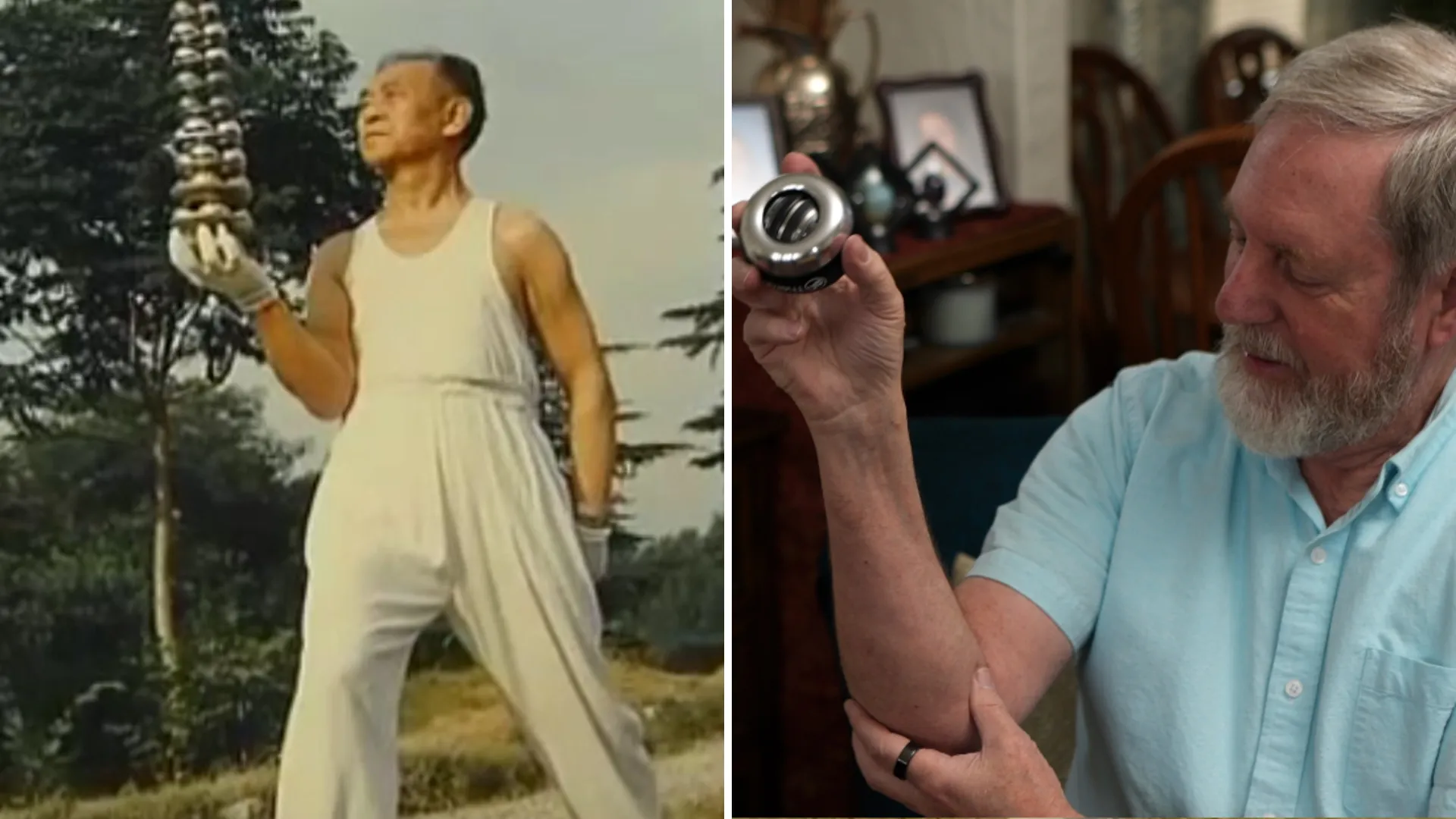
In a quiet corner of a Kyoto community center sat an elderly man manipulating two metal spheres with the precision of a concert pianist.
I approached him. Through my translator, I learned he was 92 years old.
“Baoding balls,” he explained, offering them for me to examine. “I have used them every day for forty-three years.”
Later, the center director shared something remarkable.
Takeshi lived alone in a third-floor apartment. No elevator. No assistance. He prepared his own meals, maintained a garden, and taught calligraphy to children twice weekly.
“Has he always been this active?” I asked.
“Oh yes,” she nodded. “Many people here maintain their independence well into their 90s.”
The next day, I asked Takeshi about his hands.

“Strong hands, strong life,” he said, as if it were obvious.
As a physician, I knew hand strength is one of the most reliable predictors of overall health in aging adults.
But I’d always seen it as merely a symptom—not a cause.
What if hand strength wasn’t just a marker of good health, but a key contributor to independence?
I thought of my father. His carpenter’s hands now trembling traitors. The grandchildren he was afraid to hold.
Baoding balls worked—Takeshi was living proof. But they took years to master.
My father needed help now.
What if we could combine this ancient wisdom with modern technology? Could we accelerate the results?
That question transformed me overnight—from physician to inventor to reluctant entrepreneur.
Not for profit. Not for recognition.
But because I couldn’t bear the thought of my father losing his independence when hope was literally in my hands.
That’s When I Created the TorqueBall
What if I told you the device that would change everything fits in the palm of your hand?
The first prototype looked ordinary. Just another exercise ball.
Then I pressed the power button.
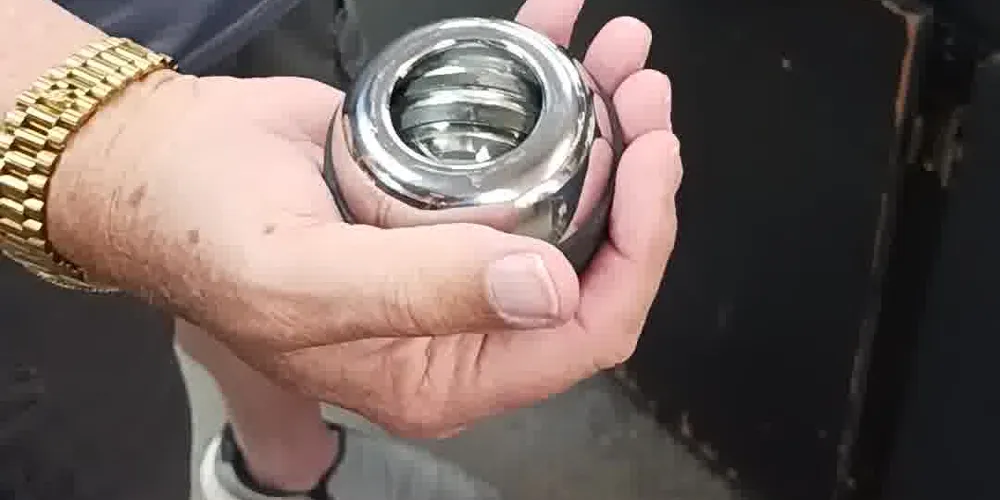
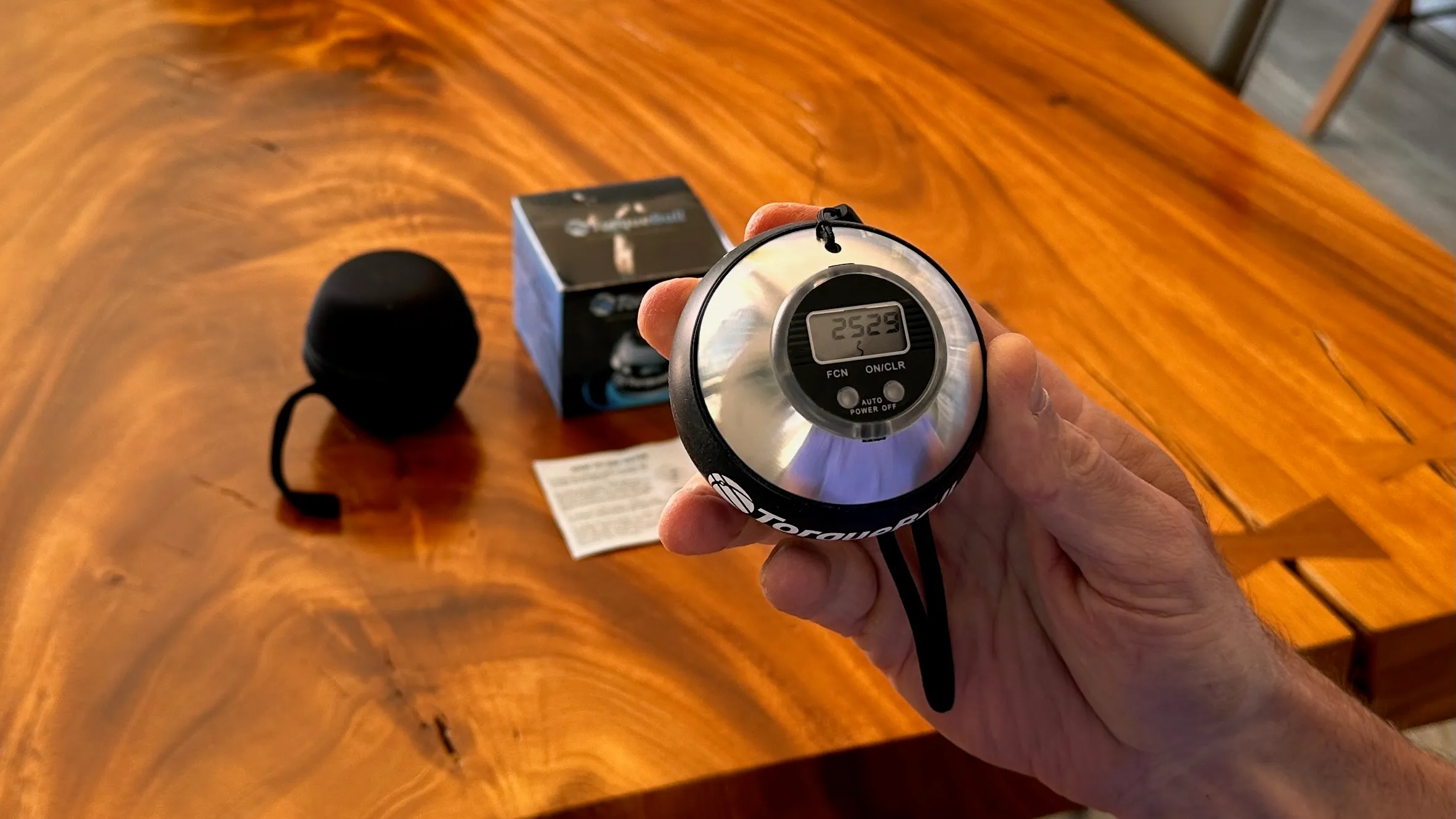
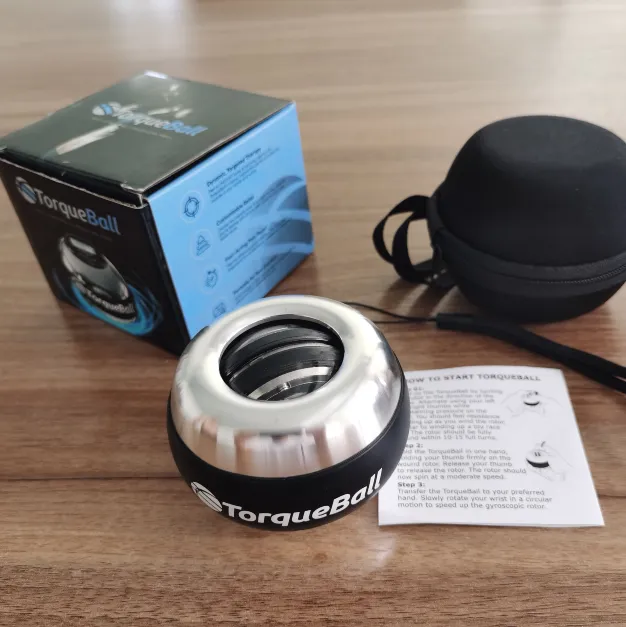
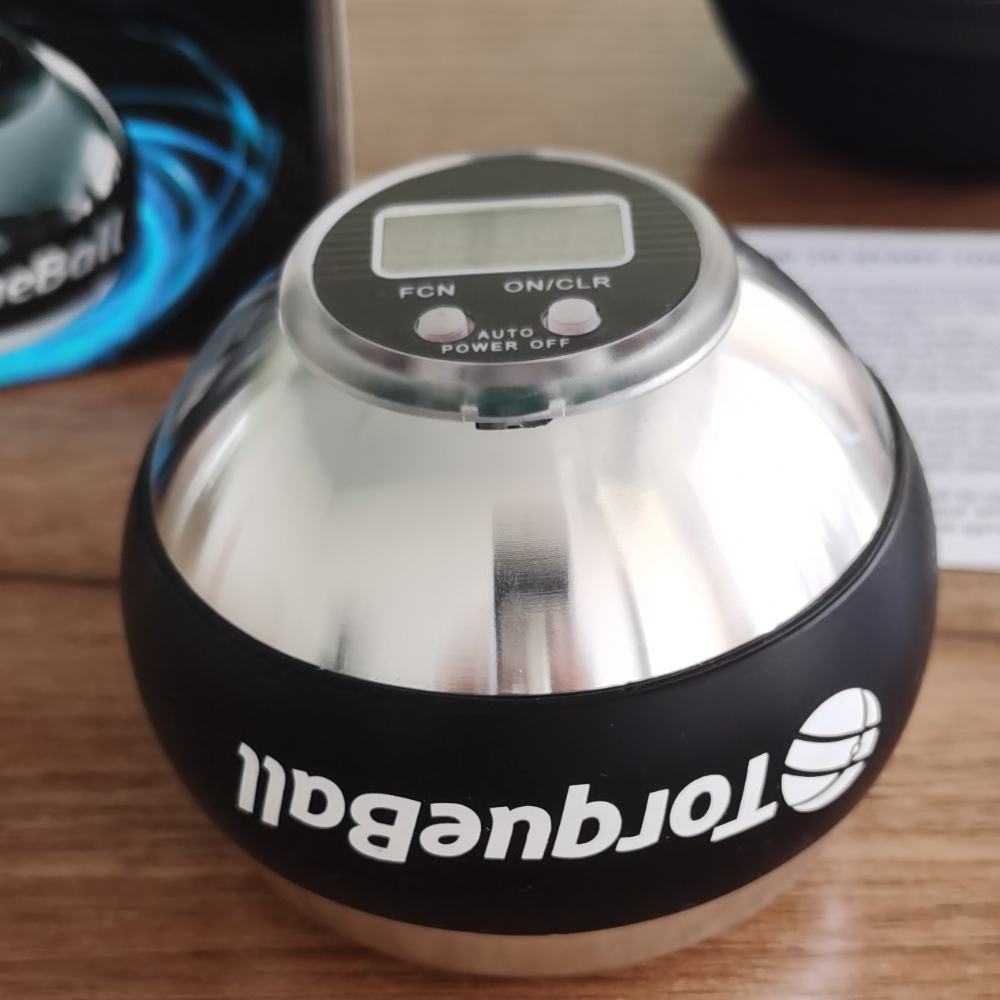
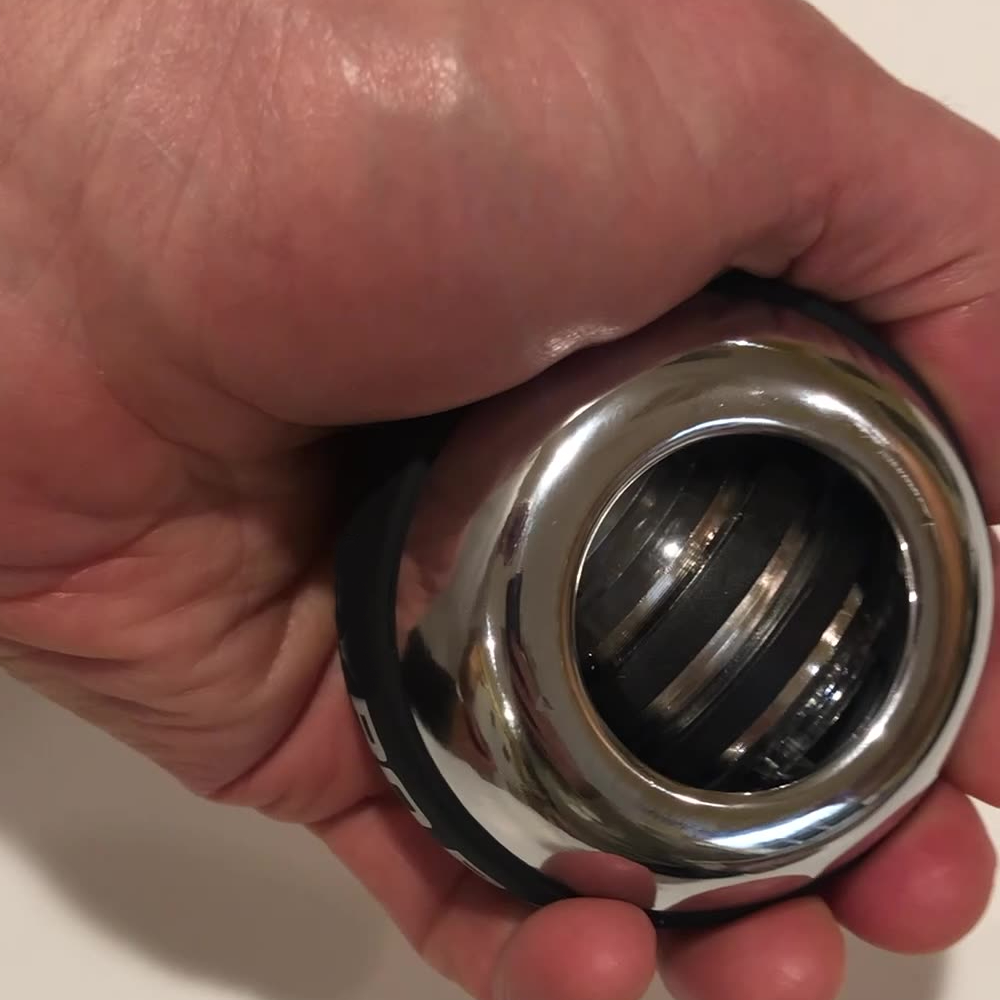
Inside this unassuming ball is a precision gyroscope that creates resistance that actually learns from your hand.
Every time you use it, it maps your grip strength, finds the weak spots, and targets them precisely.
The small digital screen shows your rotation speed – your baseline score.
I didn’t realize then that this number would become the most watched metric in my father’s life.
A daily score that would tell the story of his hands coming back to life.
And all it took was 5 minutes a day.
My Father’s Journey Back to Independence
First session score: 1,120 rotations.
“That’s terrible,” he said, staring at the little display.
“That’s a baseline,” I corrected. “Tomorrow will be better.”
Day 3: Mom called. “He won’t put that thing down. Does it during the news, during Jeopardy, even during commercials. Score’s up to 1,450.”
Day 7: 1,895. Dad answered the door holding his coffee mug. One hand. No shake.
Day 10: “I opened the pickle jar,” he announced like he’d won the lottery. “The one with Mom’s homemade relish. Been sitting there since August.”
Day 14: Score hit 3,200. Found him in the garage, sorting through his tools. “Might be time to organize this mess,” he said.
Day 21: I’ll never forget this one.
“Where’s Dad?” I asked Mom.
She pointed toward the garage, hand over her mouth, tears streaming.
My heart stopped. Had he fallen? Was he hurt?
I rushed to the garage and froze.
There was Dad, bent over his workbench, sanding a piece of oak. His hands—those trembling, betraying hands—moved with the smooth, steady precision I remembered from my childhood.
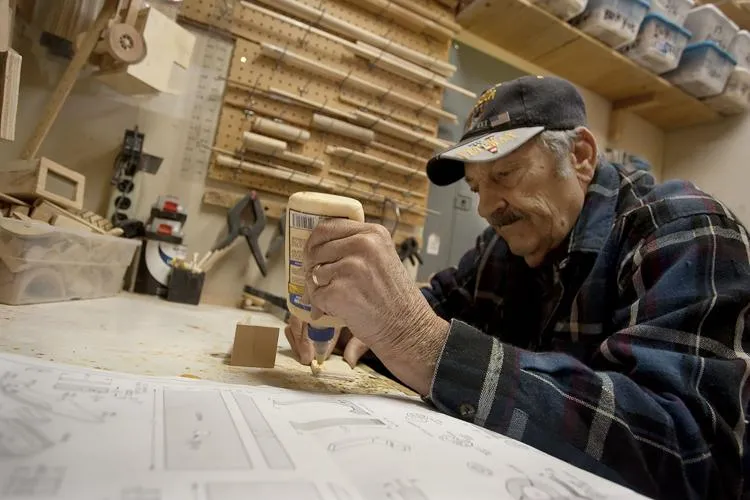
“Hey, kiddo,” he said without looking up. “Making a birdhouse for the Johnsons. They’ve got cardinals nesting.”
The brochures on my sister’s counter flashed in my mind. The hushed phone calls. The soul-crushing acceptance that this was the end of his independence.
And in that single moment, seeing him there, I knew it was all wrong.
Suddenly, the thought of assisted living felt absurd. Ridiculous. It wasn’t a possibility anymore. That chapter was slammed shut, right there, in the smell of sawdust and the sound of a steady hand at work.
That’s when I lost it. Really lost it.
Sobbing in my father’s workshop while he held me with hands that were strong again.
“It’s okay, sweetheart,” he whispered. “I’m not going anywhere.”
Later, my sister called. “I threw out those brochures,” she said. It was that simple. The conversation we’d been dreading for months was over before it began.
His score that day? 8,954. But the numbers didn’t matter. The sawdust in his hair did.
About Dr. Sarah Evans

Dr. Sarah Evans, MD, is a board-certified geriatric specialist with over 15 years of experience in senior care. As the Director of the Independence Research Institute and former Chief of Geriatrics at Cleveland Memorial Hospital, she has dedicated her career to helping seniors maintain their autonomy and quality of life. Her groundbreaking research on grip strength and cognitive function has been published in leading medical journals including The Journal of Gerontology and Senior Care Quarterly. Dr. Evans regularly speaks at international conferences on innovative approaches to aging and independence, and serves as a consultant for multiple senior care facilities across the United States.
The Science Behind the Magic
Look, I could bore you with medical journals and neural pathway diagrams. But here’s what you actually need to know:
Your hands are your independence scorecard.
Inside each hand: 34 muscles, 27 bones, 100+ ligaments.
It’s the most complex tool you own. And like any tool, without maintenance, it fails.
Traditional exercises are like trying to tune a piano by hitting one key over and over. Squeeze a tennis ball? That’s 3 muscles. Rubber band stretches? Maybe 5.
The other 29 muscles? They’re withering away.
The TorqueBall is different. Every motion engages every muscle.
But here’s the real breakthrough.
Your brain sends signals to your hands through neural pathways. Think of them as roads. With age, these roads get potholes. Detours. Dead ends.
I’d treated patients for years with the same pattern.
They’d miss when reaching for things. Couldn’t trust their grip. Simple movements became dangerous calculations.
The TorqueBall’s micro-contact surface forces your brain to rebuild these roads. Repave them. Create new routes.
You’re not just exercising your hands. You’re rewiring your independence.
My colleague at Johns Hopkins called it “neuroplasticity in a ball.”
I call it hope with a power button.
The Ripple Effect
Word spreads fast in a small medical practice.
Especially when your 78-year-old father shows up driving himself after two years of being chauffeured.
“What’s Bill’s secret?” they all wanted to know.
I started lending out our extra prototypes. What happened next convinced me this wasn’t just luck:
Margaret Wilson, 73, former Whole Foods board member: “I’d been dropping things for months. The final straw was my grandmother’s Wedgwood teacup—150 years old, survived the London Blitz, shattered on my kitchen floor. I stopped entertaining. Couldn’t risk the family china.
My daughter had already toured three facilities. ‘Just in case,’ she said.
Three weeks with your father’s ball thing and I hosted Thanksgiving. Thirty people. Passed every dish, poured every glass, even carved the turkey.
My daughter quietly canceled the facility tours.”
Richard Weisman, 83, retired National Geographic photographer: “Sixty thousand dollars in camera equipment became expensive dust collectors. My hands shook so bad, anything over 50mm was impossible. My family started mentioning ‘nice places’ with ‘photography clubs.’
Translation: $7,500/month storage facilities for old photographers.
Six weeks with TorqueBall. Last Tuesday, I shot a hummingbird at 300mm. In flight. Tack sharp. My grandson has it as his phone wallpaper.

Those ‘nice places’ can find someone else. I’ve got birds to photograph.”
Patricia Martinez, 68, commercial real estate investor: “You know what kills deals? When your signature looks like a seismograph reading. I was signing a $2.8 million property transfer and had to steady my right hand with my left. The buyer’s attorney actually asked if I was ‘competent to complete this transaction.’
Two months later, different story. Signed a waterfront development deal with flourish. Same attorney, different tune: ‘Ms. Martinez, your penmanship is impeccable.’
My business isn’t just surviving—it’s thriving. Because my hands work.”
The Production Challenge
Here’s the part I hate writing.
Because of the surge in demand, our greatest challenge isn’t selling the TorqueBall—it’s making them.
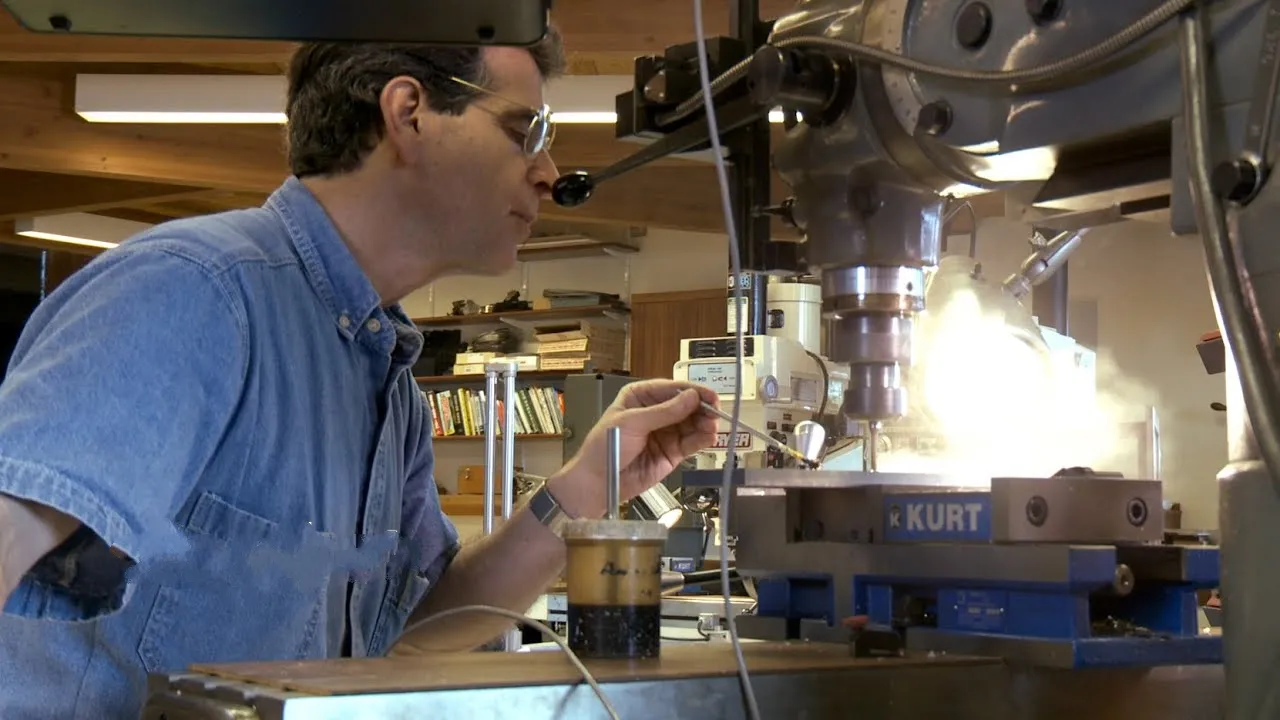
The core of each device is a precision-calibrated gyroscope, balanced by hand by my lead engineer, Michael.
Michael can only personally calibrate and stress-test around 150 units per week.
A larger firm offered to automate the process. Their test batch had a 40% failure rate after 30 days. For them, that’s an acceptable number.
For me, sending a 40% failure rate to seniors gambling on their independence is unthinkable.
So, we stick to Michael’s obsessive, hand-calibrated method. “These are going to 78-year-old hands that built America,” he says. “We’re not cutting corners.”
As of this morning, we have exactly 212 units that have passed his 72-hour stress test and are ready to ship.
The last batch sold out in under 48 hours. These will likely be gone by tomorrow evening.
Once they’re gone, the “Check Availability” button will redirect to our waiting list. We hope to have the next batch ready in 3-4 weeks, but the materials shipments have been unpredictable.
Patient Results
18 months for a decent facility? $7,000 a month for the good ones? No thanks. Got Dad the TorqueBall after reading this article. He grumbled at first but now won't put it down. Uses it during Cardinals games. His handwriting is readable again and he's back to his woodworking. Best $79 I ever spent.
- Don C.
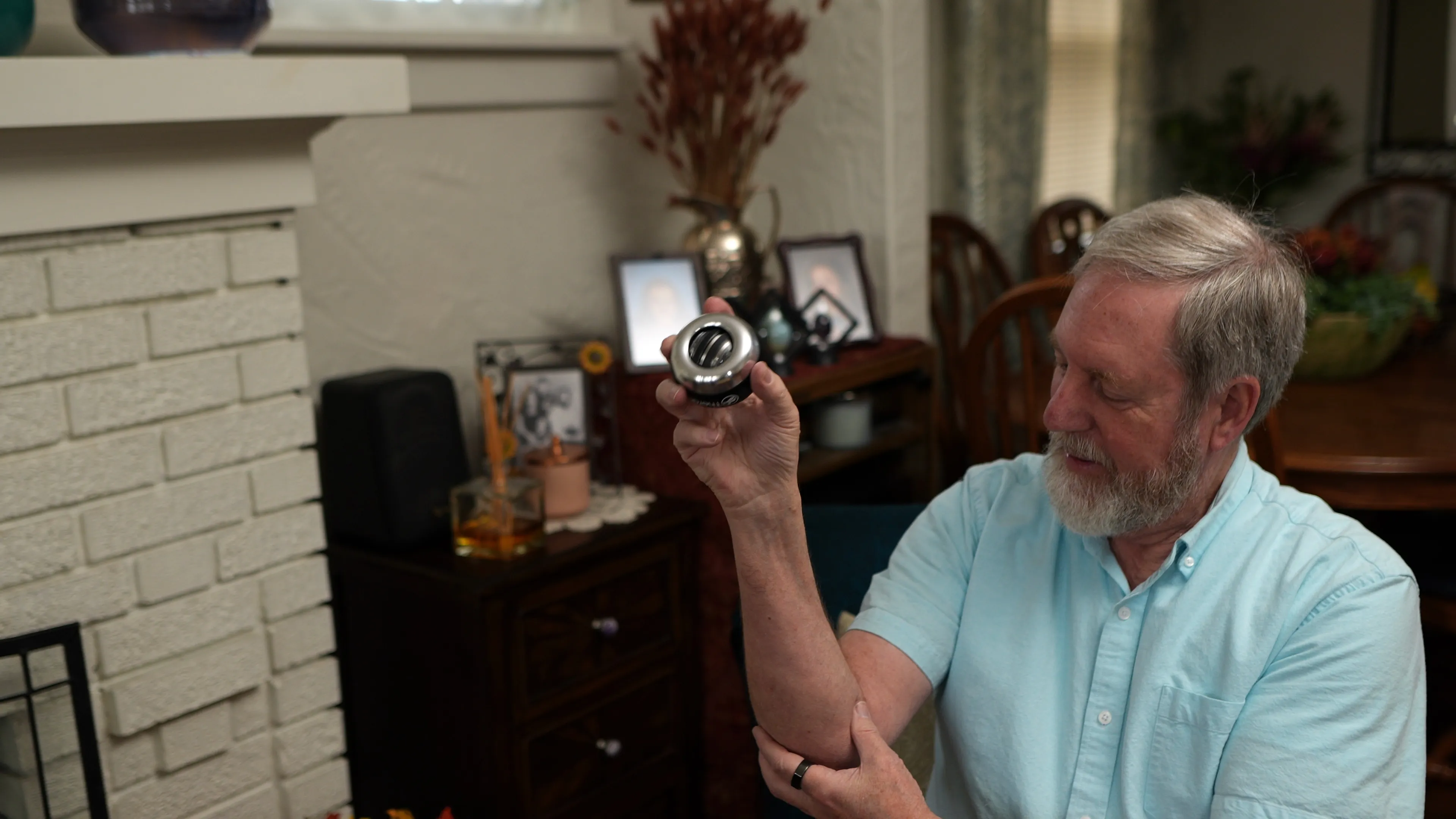
Feels like a fidget spinner for adults. I do it during Jeopardy! Started at score 1,340 (embarrassing) but hit 9,000 last week. My golf buddies noticed my grip improved. One asked if I was taking steroids - ha! Just this little spinning gadget from Japan. Already ordered three more for the guys.
- Benjamin W
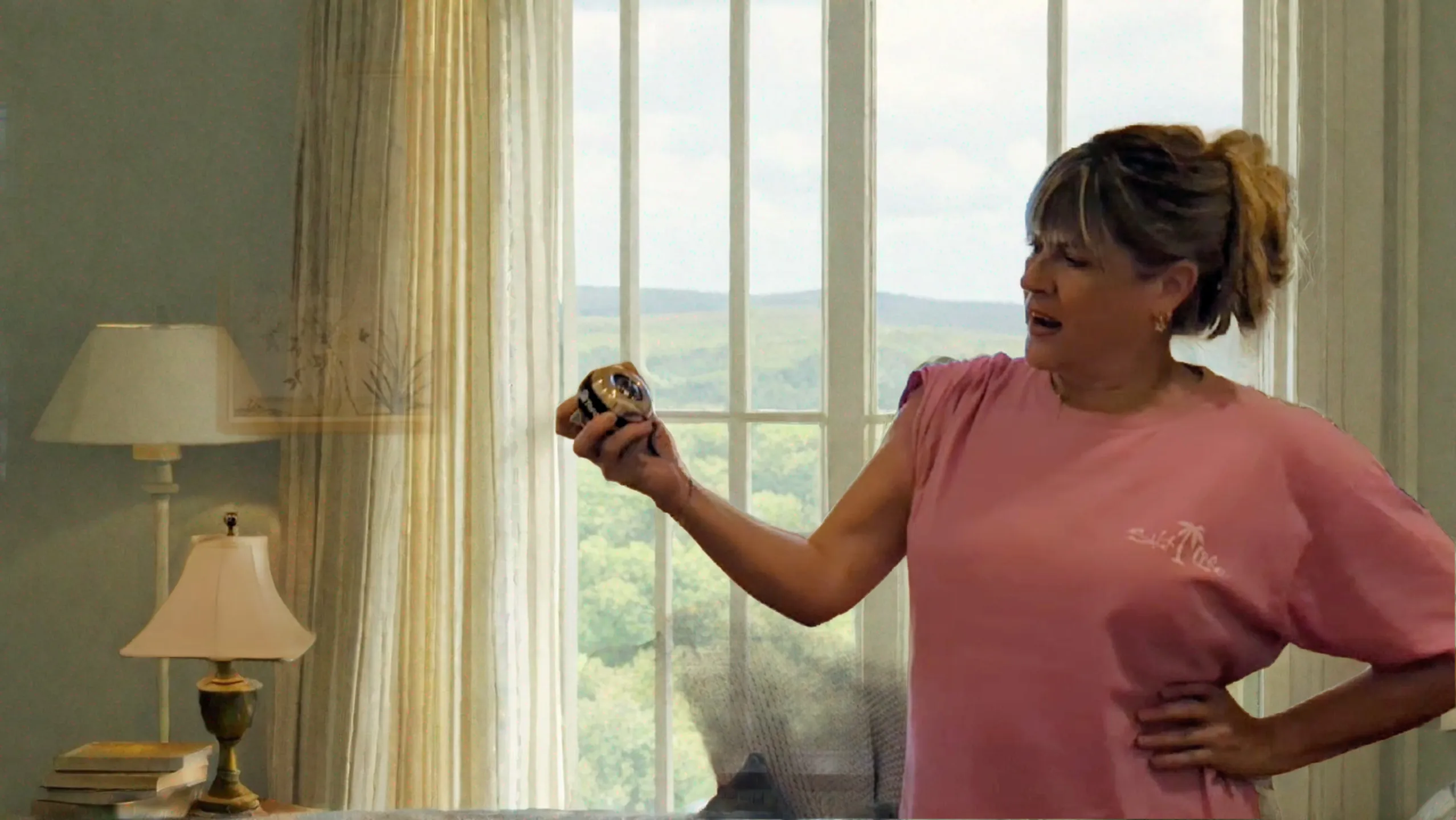
My arthritis was so bad I couldn't open pickle jars. My daughter kept suggesting assisted living 'just to look.' Started using TorqueBall during my morning news shows - it's actually soothing! Three weeks later I opened a stubborn jam jar and nearly cried. Now I'm back to canning my own preserves. Take that, assisted living!
- Mary K
My “Prove Me Wrong” Guarantee
I know you’re skeptical. In a world of miracle cures and empty promises, you should be.
That’s why I’m making this decision completely risk-free for you.
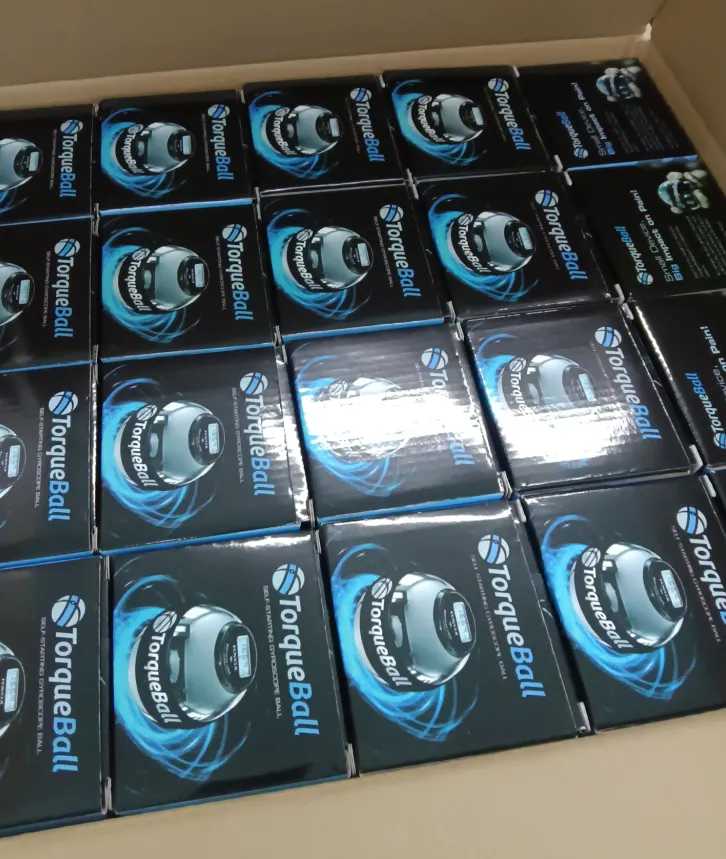
The price for a TorqueBall is $79.
But I want you to think of it as a fully refundable deposit.
Here is my personal promise:
Get the TorqueBall. Use it for just 5 minutes a day. Watch the number on the digital screen.
If, within 90 days, you don’t feel a noticeable difference in your grip…
If you don’t open that stubborn pickle jar without a second thought…
If you can’t sign your name with confidence…
Or even if you just don’t like the way it feels…
Simply send us an email. We will refund every single penny. No questions asked.
You don’t even have to send the TorqueBall back.
You read that right. If it doesn’t work for you, you get your money back and you can give the device to a friend or neighbor who might benefit.
Why would I make such an offer?
Because the return rate is less than 1%. It works. And I know that once you feel that satisfying whir in your palm and see your daily score climb, you won’t dream of sending it back.
I am willing to bet the entire cost of the product on your results. We also include something I wasn’t expecting: Dad’s letter.
He insisted on writing to everyone who gets a TorqueBall.
Mom says she can’t read it without crying. Something about “one craftsman to another” and “hands that still have work to do.”
The Bottom Line
I think about Takeshi often. 92 years old, teaching calligraphy, climbing stairs, living fully.
All because someone taught him a simple practice 43 years ago.
You might be reading this with hands that aren’t quite what they used to be.
Maybe you’ve noticed the little betrayals.
Or maybe you’re watching someone you love fade into dependency.
Believing it’s inevitable. Natural. Just what happens.
It’s not.
The Japanese figured out 400 years ago what we’re just learning: Your hands are the gatekeepers of independence.
Guard them well, and they’ll guard your life.
Dad’s 80 now. Yesterday, he installed a ceiling fan. Last week, he taught his grandson to whittle. Tomorrow, who knows?
But I know this: He won’t be in Assisted Living. Not this year. Not next year. Maybe not ever.
All because of a discovery in a Kyoto community center and a ball that fits in your palm.
Special Pricing Is Limited To Today Only!
Activate a special one-time deal reserved for first-time customers. (As much as 50% OFF)
===
Baoding balls

Baoding balls (Chinese: 保定健身球; pinyin: Bǎodìng Jiànshēn Qiú; Wade–Giles: Pao3-ting4 Chien4-sheng1 Ch'iu2) are metal balls small enough to hold in one hand, used for physical exercise and therapy. They are also known as Chinese exercise balls, Chinese health balls, Chinese meditation balls, and Chinese medicine balls. Baoding balls are used by rotating two or more balls repeatedly in the hand.[1] Intended to improve finger dexterity, relax the hand, or aid in the recovery of muscle strength and motor skills after surgery, Baoding balls work similarly to Western stress balls.[2]
History
The first Baoding balls were likely created in Hebei, China, during the Ming dynasty. Construction methods varied. Formerly, they were usually called "iron balls", as they were originally made of iron. As metalworking advanced, "iron balls" became more popular. Baoding balls continue to be produced there.[3]
Composition

Most Baoding balls consist of a pair of hollow spheres, each containing a chime that rings when an inner ball strikes the outer sphere. Many modern examples are decorated with cloisonné and brass wire; these are essentially decorative since they easily chip when dropped or rubbed together. Baoding balls can also be made of solid jade, agate, marble, and other types of stone.[3]
Hollow balls are generally more suitable for therapeutic use due to their lighter weight. Heavier balls of iron, steel or tungsten carbide require more effort for rotation. These are mainly used to build strength by resistance training.[4]
Use

The basic exercise consists of holding a pair of Baoding balls in the palm of one hand, rotating them (switching the relative position of the two balls) while maintaining constant contact between them. Once this technique has been mastered, the rotation speed can be gradually increased until the balls separate in the hand. Eventually one hand can learn to rotate them completely without the balls making contact with each other. Exercises have been developed involving more balls, where the main technique is to avoid contact with the other balls. This requires using a finger, usually the index finger, as a divider.[5][failed verification]
An average user should be able to start with a 45 mm (1.8 in) ball and move up to 60 mm (2.4 in) as their muscles get accustomed to the exercise. Larger Baoding balls between 70 mm and 100 mm (2.8 in to 3.9 in) can be used. Keeping larger balls separate while rotating them is an advanced skill. The area of the hand exercised can be varied, altering the part of the hand they rotate over, or changing the orbit of the balls so that more force is exerted on a particular finger or finger joints.[6][3]
Well-known strongmen such as John Brookfield used shot put balls as Baoding balls, rotating them to develop forearm muscles and improve their grip.[7]
Alternative medicine
Though unsupported by scientific evidence, baoding balls are thought to improve brain function and reduce stress when used as alternative medicine to stimulate the acupuncture points on the hand.[4]
Baoding balls are often used in physical therapy to exercise the soft tissues of the hand, wrist, and arm, such as after surgery to the hand.[8] They are even recommended for treating traumatic stress in children and adolescents.[9]
References
- Rodrigues, H.P. (2021). East Asian Religions: Understanding Our Religious World (in Danish). ROBINEST. p. 61. ISBN 978-1-7772430-5-0. Retrieved 2023-05-28.
- "Baoding balls are used by rotating two or more balls repeatedly in the hand". Google Search. Retrieved 2023-05-28.
- "History and Types of Baoding Balls". baodingballs.com. Archived from the original on 2015-08-10. Retrieved 26 August 2015.
- Brookfield, J. (2002). The Grip Master's Manual. IronMind Enterprises. ISBN 978-0-926888-11-1. Retrieved 2023-05-28.
- Li, S. (2022). Travel, Translation and Transmedia Aesthetics: Franco-Chinese Literature and Visual Arts in a Global Age. Springer Nature Singapore. p. 95. ISBN 978-981-16-5562-3. Retrieved 2023-05-28.
- Mukherjee, S. (2017). El gen (edició en català): Una història íntima (in Catalan). Penguin Random House Grupo Editorial España. ISBN 978-84-16863-18-1. Retrieved 2023-05-28.
- "Grip Training with Baoding Balls". BaodingBalls.com. 2019-07-01. Retrieved 2023-05-28.
- Riggs, Jeane; Chung, Kevin C. (2019-10-12). "Postoperative Management of Hand Surgery in the Low- and Middle-Income Countries". In Chung, Kevin C. (ed.). Global Hand Surgery: Learning and Contributing in Low- and Middle-Income Countries. Elsevier Health Sciences. p. 408. ISBN 978-0-323-70901-9.
- Blaustein, M.E.; Kinniburgh, K.M. (2019). Treating Traumatic Stress in Children and Adolescents: How to Foster Resilience Through Attachment, Self-regulation, and Competency. Guilford Press. p. 218. ISBN 978-1-4625-3705-1. Retrieved 2023-05-28.
Further reading
- Sairam, T.V. (2008). The Penguin Dictionary of Alternative Medicine. Penguin Books Limited. ISBN 978-93-5118-127-9. Retrieved 2023-05-28.
- Williams, A. (2013). Chinese Chi Balls Book: Revitalize Your Energy (in Italian). Thunder Bay Press. ISBN 978-1-62686-073-5. Retrieved 2023-05-28.
External links

- "Baoding Balls: Everything You Need To Know". Insight Timer Blog. 2020-07-06. Retrieved 2023-05-28.

Wilma Devon
Can anybody vouch for this?
Like·Reply·

Mary Vernon
Hey... This little ball is fantastico! My hands were constantly aching and stiff. This gadget has taken care of that. This past year I've had awful joint pain from arthritis, plus carpal tunnel flare-ups that made everything from texting to holding coffee cups a nightmare. The TorqueBall works awesome while I'm just sitting watching TV. My grip feels so much better each morning. Hopefully it will help you too!
Like·Reply·

Doris Skylar
I bought mine for the full price and now are 50% off? That's not fair!
Like·Reply·

Skyler Greig
How long does shipping take??
Like·Reply·

Marie Campbell
Hey Skyler, got mine after a week.
Like·Reply·

Leonard Boyd
Just got our TorqueBalls in the mail today! I bought one for my wife too. It's surprisingly relaxing on my hands - not what I expected from an exercise gadget! I've noticed I don't need to use it every day because just a few times a week keeps my hands feeling strong and flexible.
Like·Reply·

Emma Emerson
Hey Lois, this is what you need instead of the expensive hand massagers
Like·Reply·

Lois Clive
Wow, this is crazy, have ordered one now!
Like·Reply·

Alfred Johnson
Did you buy one, how long does it take to get it
Like·Reply·

Edith Ashton
For me 7 business days.
Like·Reply·

Debra Peyton
Should have bought it sooner - exactly what I needed for my arthritic hands. Honestly, I can open jars and write my grandkids' birthday cards with barely any pain now. I've only used the TorqueBall for a few days and my hands feel better than they have in years! Haven't dropped my phone once this week!!!
Like·Reply·

Paula Remington
Wow looks amazing, does anyone actually have one and has it been tested?
Like·Reply·

Sarah Dudley
Yes, I purchased this TorqueBall for my mom. she has to be really careful with her hands. This thing just straight up works. Plus, I love that she can use while relaxing at home watching her shows. Her hands don't shake when she's pouring her coffee anymore! 😏😊
Like·Reply·

Agnes Graeme
I just ordered mine! Cannot wait for it.
Like·Reply·

Barbara Bradly
I want one so bad, I'm gonna buy it this weekend when my paycheck hits lol!!
Like·Reply·

Ethel Dean
Does anyone know how long the shipping takes? Want to buy one for my friend.
Like·Reply·

Clara Milton
Hey Ethel, mine arrived after about a week
Like·Reply·

Emma Shelby
Your friend will be happy! Perfect gift
Like·Reply·

Harry Keegan
Perfect little workout - it's not bulky, so you can take it anywhere, cheaper than those fancy grip strengtheners, does what it says. You'll love how it spins in your palm. Feels natural with all the different ways to use it.
Like·Reply·
Bridget Prescott
Love this rehaber totally!
Like·Reply·

Anna Madison
I was a skeptic... Bought one and was positively surprised. This is worth it. I recently had carpal tunnel surgery (last year) and afterward, my hand was still giving me grief from the nerve issues. But this helped me out a lot. My hand's so much better now. Thank you to the company who made this.
Like·Reply·
Clara Milton
I absolutely love my Torque ball! Had to get one for my sister today since she won't stop borrowing mine! 😆
Like·Reply·

Kate Orson
OMG I know, I was so happy that they had some left today. Had to get one immediately before they run out of stock again like last time
Like·Reply·

Isabella Mayson
Thank you, our arrived today! Will test it tonight.
Like·Reply·
===


댓글 없음:
댓글 쓰기