Dementia Australia
Contents
About Dementia Australia. . . . . . . . . . . . . . . . . . . . . . . 2 Acknowledgements . . . . . . . . . . . . . . . . . . . . . . . . . . . . 3 About this guide. . . . . . . . . . . . . . . . . . . . . . . . . . . . . . . . .5 Our message to you . . . . . . . . . . . . . . . . . . . . . . . . . . . . 8
Section 1: About dementia. . . . . . . . . . . . . . . . . . . . . 11
Section 2: Understanding your diagnosis . . . . . . . 25
Section 3: Healthcare team and treatments. . . . . 33
Section 4: Planning for the future . . . . . . . . . . . . . . 49
Section 5: Living well . . . . . . . . . . . . . . . . . . . . . . . . . 65
Section 6: Government support for people living with dementia . . . . . . . . . . . . . . . . 93
Section 7: Dementia Australia services . . . . . . . . . 101
Section 8: Residential care . . . . . . . . . . . . . . . . . . . .123 Section 9: Later stages of dementia. . . . . . . . . . . . 141
Section 10: Checklist. . . . . . . . . . . . . . . . . . . . . . . . . . 149
Section 11: Support and information for carers. . .155
Stay connected . . . . . . . . . . . . . . . . . . . . . . . . . . . . . . 180
About Dementia Australia
Dementia Australia is the source of trusted information, education and services for the estimated 433,300 Australians living with dementia, and 1.7 million people involved in their care. We advocate for positive change and support vital research. We are here to support people impacted by dementia, and to enable them to live as well as possible.
Founded by carers more than 40 years ago, today we are the national peak body for people living with dementia, their families and carers. We involve people impacted by dementia and their experiences in our activities and decisionmaking, to make sure we are representative of the diverse range of dementia experiences. We amplify the voices of people impacted by dementia through advocating and sharing stories to help inform and inspire others.
No matter how you are impacted by dementia or who you are, we are here for you.
The Dementia Guide, Edition 4.
© Copyright 2022 Dementia Australia, ISBN 978-1-921570-72-8
Acknowledgements
The Dementia Guide is produced thanks to the advice and support of:
• health, social and aged care professionals
• representatives from appropriate peak bodies
• government representatives
• people living with dementia, their families and carers
• the Dementia Australia Advisory Committee. The group was founded in 2013. Committee members come from a wide range of professional backgrounds and use their skills, lived experience and connections as community leaders to represent people living with dementia.
This guide can be downloaded from dementia.org.au/dementia-guide
Printed copies are available on request.
While we strive to keep content accurate and up-to-date, information can change over time. For updates, please visit dementia.org.au or call the National Dementia Helpline on 1800 100 500.
The original concept and some content have been reproduced or adapted from ‘The Dementia Guide’ with permission from Alzheimer’s Society UK.
Reproduction, transmittal or storage in whole or part, other than for the purposes and subject to the provisions of the Copyright Act, is prohibited without the written authority of Dementia Australia.
About this guide
This guide is for anyone who has been impacted by any form of dementia. The information in this guide is divided into sections. Each section relates to a particular stage of your dementia journey.
If you are living with dementia, The Dementia Guide will help you understand more about dementia and the treatments, support and services available. It includes information about living well with dementia and making plans for the future.
If you are a family member or friend of a person with dementia, this guide will help you to understand more about dementia. It describes ways you can support a person with dementia to live well, and what support and information is available for carers.
You will find additional resources listed throughout this guide. There is also a checklist on page 149 to help you live well now and plan for the future. Keep this guide handy so you can refer to it when you need.
It is important to remember everyone living with dementia is unique. The content in this guide is general in nature and we recommend you seek professional advice in relation to any specific concerns or issues you may have.
Section 1 About dementia
Section contents
What is dementia? . . . . . . . . . . . . . . . . . . . . . . . . . 12
Who gets dementia? . . . . . . . . . . . . . . . . . . . . . . . 14
What causes dementia? . . . . . . . . . . . . . . . . . . . . 15
How does dementia affect younger people?. . 21
How does dementia progress?. . . . . . . . . . . . . . .22
What is dementia?
Dementia describes a collection of symptoms that are caused by disorders affecting the brain. It is not one specific disease. Dementia may affect thinking, communication, memory, behaviour and the ability to perform everyday tasks. It will impact on the person’s family, social and working life.
Dementia is not a normal part of ageing.
Everyone experiences dementia differently. Symptoms will depend on the cause of dementia and the parts of the brain affected.
Common symptoms include:
• memory loss
• challenges in planning or solving problems
• difficulty completing everyday tasks
• confusion about time or place
• trouble understanding visual images and spatial relationships
• difficulty speaking or writing
• misplacing things and losing the ability to retrace steps
• decreased or poor judgement
• withdrawal from work or social activities
• changes in mood and personality.
Dementia is generally progressive. Symptoms often begin slowly and become gradually worse over time.
It is important to remember that no two people experience dementia in the same way. People often lead active and fulfilling lives for many years after their diagnosis.
Who gets dementia?
Dementia can happen to anybody.
The risk of dementia increases with age
Over the age of 65, Over the age
dementia affects of 85, dementia
almost one person affects three in ten. people in ten.
People under the age of 65 can experience dementia, although it is less common.
Researchers in dementia now believe it depends on a combination of age, genes, health and lifestyle. Dementia can sometimes be hereditary, but this is quite rare.
What causes dementia?
There are many known types of dementia. Most people are diagnosed with one of four types.
Alzheimer’s disease
Alzheimer’s disease is the most common cause of dementia. This disease disrupts the brain’s neurons due to a build-up of abnormal proteins, called ‘plaques and tangles’. It affects how they work and communicate with each other. A decrease of important chemicals stops messages travelling normally through the brain.
You might experience:
• difficulties with short-term memory, especially recalling more recent events
• language and comprehension difficulties, such as problems finding the right word
• increasing disorientation in time, place and person
• problems becoming motivated and initiating tasks.
Vascular dementia
Vascular dementia occurs when there is reduced blood supply to the brain, causing cells to die. This can be the result of a stroke, narrowing of the arteries supplying blood to the brain, or bleeding in the brain.
You might experience:
• stepped progression of symptoms with periods of relative stability
• slowed motor speed
• impaired attention and short-term memory
• difficulty making decisions in response to a situation
• depression and apathy.
Lewy body disease
Lewy body disease causes gradual brain damage. Tiny structures, called Lewy bodies, develop inside brain cells. These structures disrupt the way the brain functions and can cause cells to die. This causes gradual brain damage, resulting in changes in movement, thinking and behaviour.
You might experience:
• fluctuating and sudden bouts of reduced alertness, confusion, or both
• slowed movement, rigidity, a shuffling walk, increased falls and tremors
• loss of facial expression
• difficulty with visual and spatial perception
• hallucinations
• poor abstract reasoning and judgement
• difficulty planning, reasoning, problem-solving and making decisions
• vivid dreaming with your body moving as you dream.
Lewy bodies are also found in people with Parkinson’s disease. A person who has lived with Parkinson’s disease for several years can develop Parkinson’s disease dementia.
Frontotemporal dementia
Frontotemporal dementia causes progressive damage to the frontal, temporal, or both lobes of the brain. Three main subtypes of frontotemporal dementia exist, a behavioural variant, and two language variants. The form of frontotemporal dementia diagnosed will depend on which areas of the brain are damaged.
If the damage is predominantly in the frontal lobes (behavioural-variant frontotemporal dementia), you may experience:
• changes in personality, emotion and behaviour
• apathy or lack of motivation
• distractibility and impulsiveness.
If the damage is in the temporal lobes, you may experience:
• difficulty in understanding words and concepts, difficulty recognising familiar people, or both (semantic dementia)
• difficulty with speech and expressive language (progressive nonfluent aphasia).
Other causes of dementia
A wide range of other conditions can also lead to dementia. These are rare, only accounting for about five per cent of all people with dementia.
Other diseases or causes include:
• Parkinson’s disease
• corticobasal degeneration
• Creutzfeldt-Jakob disease
• HIV-related cognitive impairment
• Huntington’s disease
• alcohol-related brain damage and Korsakoff’s syndrome
• multiple sclerosis
• Niemann-Pick disease type C
• normal pressure hydrocephalus
• progressive supranuclear palsy
• chronic traumatic encephalopathy
(from repeated head injuries)
• Down syndrome.
Mild cognitive impairment
Some people experience changes in memory and other cognitive (thinking) functions greater than that usually experienced with ageing, but without other signs of dementia. This is called mild cognitive impairment.
You might experience:
• some loss of memory
• decline in cognitive abilities (thinking skills).
There is an increased risk of developing dementia, caused by Alzheimer’s disease or other neurological conditions. This may take many years, if it happens at all. A doctor or specialist may want to review symptoms over time to monitor for any potential changes in symptoms and brain health. Many people with mild cognitive impairment never get worse, and a few even improve over time.
How does dementia affect younger people?
The term younger onset dementia describes any form of dementia diagnosed in people under the age of 65. Younger people may develop any type of dementia, but Alzheimer’s disease is the most common type.
Familial Alzheimer’s disease
In some cases, dementia has a genetic link. This is called Familial Alzheimer’s disease. It is more common in people under the aged of 65. It affects an extremely small number of people, less than 100 people across Australia.
Many of the symptoms experienced by younger and older people with dementia are similar. However, people with younger onset dementia can need different support as their life circumstances are different.
You may be strong and healthy, in full-time employment and raising a family. You may have a mortgage or other financial commitments, with plans to work until the age of 65.
Younger people can find that they are misunderstood in the community. Often, people do not expect younger people to live with dementia.
How does dementia progress?
People with dementia differ in the symptoms they have and the speed with which their abilities deteriorate. Abilities may change from day to day, or even within the same day.
Progression may happen rapidly in a period of a few months or slowly over several years. While the progression of dementia can vary, the disease usually has three stages. Understanding these stages can help you plan for potential challenges.
1 Mild or early-stage dementia You might have some problems with thinking skills, such as memory loss, but need minimal support.
2 Moderate or middle-stage dementia
You need support to help you function at home and in the community. Difficulties are now more obvious and have a greater impact on your abilities and dependency.
3 Severe or late-stage dementia
You are likely to be fully dependent on the care and supervision of others.
Unfortunately, dementia isn’t reversible.
However, you may be able to maintain your independence and live well for many years. At each stage, there will be ways to make life better.
Section 2 Understanding your diagnosis
Section contents
Recognising your feelings . . . . . . . . . . . . . . . . . . .27
Learning more about dementia . . . . . . . . . . . . 28
Telling people about your diagnosis. . . . . . . . . 30
Dementia can only be diagnosed with certain medical examinations.
This could involve:
• physical examinations to test sensory, movement, heart and lung function
• blood, urine and spinal fluid tests
• cognitive or neuropsychological tests to assess memory, language, attention and problem-solving
• scans to check brain structure and rule out anomalies
• asking about medical history, including current medical problems, medications being taken, and family medical history
• psychiatric assessment to check for treatable disorders and manage symptoms that can occur alongside dementia.
Your doctor will likely refer you to different medical specialists for these examinations.
Recognising your feelings
It is normal to experience a range of emotions after your diagnosis.
You may feel:
• anger
• fear
• loss
• shocked
• disbelief
• denial
• sadness
• anxiety
• isolated
• a sense of relief.
It is important to recognise your emotions. This will help you adjust to your diagnosis.
Try to share your feelings with family and friends.
Writing your thoughts in a journal can be helpful. You can also get help from:
• support groups for people with dementia
• your doctor or nurse
• trained counsellors.
Learn about support groups, counselling and other services available to you by calling the
National Dementia Helpline on 1800 100 500.
Learning more about dementia
Learning about dementia might be daunting or uncomfortable. But understanding the changes you may experience is an important first step towards living well with dementia.
Learning more about dementia can help you:
• adjust to your diagnosis
• talk to your doctor about treatment and support
• identify your priorities and goals for the future
• access support and coping strategies
• make financial and legal plans
• make plans for your care in the coming years
• learn to live well with dementia.
You do not need to learn everything at once. If you start feeling overwhelmed, give yourself time to get used to the new information.
Dementia Australia provides a range of information resources, education sessions and programs.
Telling people about your diagnosis
When you decide to tell people about your diagnosis, you might start with close family and friends. Or you might choose to tell a broader group of people.
You could write them a letter or email rather than talking face-to-face, or on the phone. Choose the way that makes you feel most comfortable.
The people you tell may have a range of reactions. They may seem angry, afraid or surprised. They may even seem relieved there is an explanation for your symptoms.
Some people may question or trivialise your diagnosis. They may find it difficult to accept because they have a limited knowledge of dementia. Often family and friends who live far away, or who you don’t see regularly, are less likely to understand or accept your diagnosis.
Try to be patient with any of these responses. Some people might need time before they become more supportive.
Family and friends often want to receive information that helps them to understand dementia and ways they can support you.
As your dementia progresses, the support of people who know and understand you will become increasingly important. Some relationships might be tested, but others are likely to become stronger.
If you are finding it difficult to talk about your diagnosis and need support to tell other people, you can call the National Dementia Helpline on 1800 100 500.
Section 3 Healthcare team and treatments
Section contents
Building your healthcare team . . . . . . . . . . . . . .35
Understanding your treatment options . . . . . . 41
Treating depression and anxiety . . . . . . . . . . . 44
There is no known cure for dementia, but there are healthcare professionals, medications and other therapies that can help with some of the symptoms, including depression and anxiety. With the right support, people can live well with dementia for many years.
Throughout your dementia journey, you will receive treatment from different health professionals.
These can include:
• your doctor
• medical specialists
• allied health professionals
• nurses
• Dementia Australia.
Building your healthcare team
Working with your doctor
Developing a strong relationship with your doctor is an important step.
Your doctor can provide support, from diagnosis through to ongoing management and care. They can also refer you to specialist health professionals to treat specific dementia symptoms.
Your doctor and practice nurses need to get to know you. This will help them understand your dementia and recommend the best treatments. Be open and honest, and let them know if you do not understand something.
It can be helpful to have a family member or carer visit the doctor with you. They may offer other information about your needs, preferences and symptoms.
Make the most of your doctor visit
• Before your visit, write down a list of questions to ask.
• Book a long appointment so you have time to discuss things in detail.
• Take a list of the medications, vitamins and supplements you take.
• Keep a log of any changes you, your family and friends have noticed.
• Discuss your condition and document a dementia care plan together.
• Ask about support services to help you live well.
• Take notes and ask for information to bring home with you.
Working with medical specialists
During the different stages of dementia, you may be treated by different medical professionals. Each will be relevant to different symptoms of the disease.
Your doctor may refer you to a specialist, such as a:
• Geriatrician: Specialising in diagnosing, treating and preventing disease in older adults (including dementia).
• Psycho-geriatrician: Specialising in diagnosing and treating mental and emotional disorders in older adults.
• Neurologist: Specialising in diagnosing and treating people with abnormalities of the brain and central nervous system.
• Neuropsychiatrist: Specialising in the behavioural and psychological effects of neurological diseases or injury to the brain.
• Psychiatrist: Specialising in diagnosing, treating and preventing mental illness and emotional problems.
• Neuropsychologist: Provides ways to cope with behavioural changes as a result of changes to the brain and help in making a diagnosis.
You should always feel comfortable with your medical team. If you are unhappy, ask your doctor for another referral. Do not worry about offending them. It is common to ask for a second opinion.
Working with allied health professionals
Allied health professionals form a vital part of your healthcare team.
They help you maintain your quality of life, independence, self-care and mobility. They also help reduce the risk of complications due to other conditions or injuries.
Allied health professionals work in both private and public healthcare settings. Speak to your doctor about accessing allied health services as part of your dementia care plan. At each stage of your dementia journey, you should discuss your changing needs with your doctor.
If you have private health cover, contact your insurer to find out what health services are included.
The people you might meet
• Community nurse: Provides health assessments, continence care, medication and wound management or palliative care in the home.
• Counsellor, psychologist or dementia consultant: Helps you adjust to change and to recognise your feelings and emotions.
• Dietitian: Provides advice for maintaining a healthy diet.
• Diversional therapist: Designs recreation programs based on your interests and abilities.
• Music therapist: Helps improve your health, functioning and wellbeing using music.
• Occupational therapist: Assesses your abilities and provides support to help you stay independent.
• Optometrist: Checks your eyesight and monitors for any eye conditions.
• Oral health worker: Works with your dentist to keep your mouth, teeth and gums in good condition.
• Podiatrist: Maintains the health of your feet.
• Physiotherapist or exercise physiologist: Helps you improve your strength, balance and movement.
• Speech pathologist: Helps you find ways to communicate with others if speaking has become difficult. May also perform swallowing assessments when there is difficulty eating or taking oral medication.
Understanding your treatment options
While there is no cure, there are treatment options to help alleviate some of the symptoms or reduce the rate of progression, depending on your type of dementia.
Learning about treatment options can help you to live as well as possible and maintain a good quality of life.
Some treatments can provide temporary improvement of symptoms.
Drug treatments
Certain drugs can alleviate some of the symptoms and reduce the rate of progression. Their effectiveness depends on your type of dementia.
You should talk to your doctor about drug options that may be available to you.
Questions to ask
• Are there any medications that can help me?
• Why are you offering me this medication?
• How will this medication help me?
• How do I take this medication? • What happens if I miss a dose?
• Can I still take my other medication?
• Can I drink alcohol?
• Can I still drive my car?
• Will it impact my work?
• How can I reduce potential side effects?
• What changes should I tell you about?
• Are there other treatments I could try instead?
• Is there information I can take home with me?
Lifestyle factors
Keeping the body and mind active is essential. Engaging in everyday activities, interests and social groups can be satisfying and fulfilling. Exercise and eating well can optimise your physical health, improve your mood and may even slow down changes in the brain.
Complementary therapies
Complementary therapies include a variety of treatments and practices that can support conventional medical treatments. These therapies may be described as ‘alternative’, ‘traditional’ or ‘holistic’. Complementary therapies can help promote wellbeing and improve your quality of life, although the evidence to support their use is still being explored.
It is recommended that you discuss the use of complementary therapies with your doctor or specialist before you start using them. Some complementary therapies may not interact well with your current medications or could have an impact on other health issues you experience.
Therapies can include:
• natural products and supplements, including herbs, vitamins and minerals
• practices that involve manipulation of parts of the body, such as massage, chiropractic and osteopathy
• mind-body practices, including meditation, hypnotherapy, aromatherapy and music
• energy-based therapies like reiki and Therapeutic Touch
• alternative medical systems, such as traditional Chinese medicine (including acupuncture and herbal medicine), Ayurvedic medicine, homeopathy and naturopathy.
Treating depression and anxiety
People with dementia, their families and carers, may experience depression or anxiety.
It is important to seek help. You should discuss treatment options with your doctor.
Drug treatments
Prescription drugs are one approach to treat depression and anxiety.
Antidepressant drugs work by correcting the levels of some chemicals in the brain. It can take several weeks to notice the benefits of taking an antidepressant.
Some people experience side effects to begin with, but these usually lessen after a week or two. It is important to keep your doctor informed about how you are feeling and how medications are affecting you. Your doctor can then help you find a drug and dosage that works best for you.
Non-drug treatments
Depression and anxiety can also be responsive to non-drug treatments or a combination of drug and non-drug treatments.
Non-drug treatments include:
• talk therapies, such as counselling
• reminiscence activities, where you recall past events
• mindfulness activities, such as meditation
• life story work, where you record key moments of the past in a scrapbook or album.
Other things that can help with depression and anxiety include:
• keeping active
• engaging in enjoyable activities
• talking to friends and family
• maintaining a healthy diet
• reducing alcohol or caffeine.
It is important to start thinking about the future in the weeks after your diagnosis.
You might like to talk to family and friends about what is important to you. Talking to them will help them understand and respect your wishes in the future. Make decisions that fit in with your priorities and how you want to live.
Dementia affects people in different ways. Some people lose skills and abilities during the early stages. Other people might keep these for much longer.
Try to think about your future as soon as possible. It becomes harder to make these decisions as dementia progresses.
Driving
During the early stages of dementia, many people remain safe and competent drivers.
But as dementia progresses, it can affect your memory, reactions, perception and abilities. There will come a time when you will need to stop driving.
If you hold a driver’s licence, the law requires you to tell your licensing authority about your diagnosis. You are also required to tell your vehicle insurer.
In some cases, your doctor may decide they have a duty of care to tell the licensing authority on your behalf.
If you want to continue driving, you will need a medical review. In some states and territories, this involves a driving test with an occupational therapist. Many people choose to stop driving because they feel confused or less confident.
You might like to learn about other transport available in your area. Understanding your options can help you stay independent and active for longer.
Working
It is possible to keep working after a diagnosis of dementia. Continuing this familiar routine helps some people feel better. Other people decide that it is best to stop working.
Deciding whether or when to tell your employer about your diagnosis can be difficult. It can depend on the extent to which symptoms affect your ability to do your job, as well as the support you may need from your employer.
In some jobs, you should tell your employer about your diagnosis immediately. This applies to jobs that involve driving or operating machinery. It may also be a legal or ethical rule of your contract.
Before you talk to your employer
Start by talking to your doctor about your ability to work. You can also think about:
• whether your symptoms affect your ability to do your job
• any safety risks associated with your dementia symptoms
• any support you might need to continue working
• any options to change or reduce your duties
• your employer’s capacity to provide support
• your rights and entitlements in the workplace.
Telling your employer
Telling your employer can give you some protection under the law. If it is safe for you to work, your employer is legally required to make adjustments to help you keep working.
Once you have told your employer, you will need to track any effect your dementia symptoms have on your duties.
In some jobs, you may have to complete a medical test. This will confirm you still can complete the tasks involved in your current role. If not, your employer may ask you to consider a different role in the organisation.
Other options could be working reduced hours or retiring early.
Leaving work
At some stage, you may choose to leave work or retire early. Before making this decision, you should talk to your family, your doctor and your employer.
If you have decided to finish work:
• Consider using any sick leave you have accrued before your employment ends. You are entitled to use this sick leave, as long as you provide a medical certificate.
• Talk to your insurance company, superannuation fund or financial planner. Ask about income protection and total and permanent disability insurance.
When you finish work, check that you receive the correct pay for any annual leave or long service leave owed.
Getting advice and support
When talking to your employer, you might like to have a support person with you. You could invite a family member, friend or colleague.
If you need advice about your rights, entitlements or working conditions, you can talk to:
• counsellors or human resource officers in your workplace
• your trade union
• a lawyer or anti-discrimination advocate.
Talk to your lawyer, superannuation advisor or
Centrelink for superannuation or pensions advice.
Legal matters
It is helpful to talk to a lawyer soon after your diagnosis to update your legal affairs.
Will
A will lets you choose who will inherit your money and possessions after your death. As long as you understand the decisions you are making, you can make or change your will.
Enduring power of attorney
An enduring power of attorney appoints a trusted person (or people) to make decisions on your behalf. There are different types of powers of attorney, including supported, financial and medical.
You should prepare this document while you can still make these decisions.
You will need to give the financial or medical power of attorney to the relevant organisations. These include Medicare, your banks, Centrelink, and the Department of Veterans’ Affairs.
Financial management
It is important to take the time to organise your finances. Gather essential information and documents together so they are easy to find. Consider that some information will be stored digitally, such as online banking and superannuation details.
In a safe place, keep the details of your:
• usernames and passwords for digital accounts
• bank accounts
• insurance policies
• mortgage or rental contracts
• pensions and benefits
• powers of attorney
• superannuation
• shares
• tax returns
• trusts
• will
It is advised to tell someone you trust where hard copies of documents are stored and also how to access your digital information.
Talk to a financial advisor, accountant or solicitor about your circumstances.
Managing your money
• It may become difficult to remember PINs for debit or credit cards. Talk to your bank about alternatives, such as ‘tap and go’ cards and making payments using your mobile phone.
• You might like to arrange automatic payments for your bills. Set up direct debits to manage regular payments for phone or electricity bills.
Government support
You may be eligible for government benefits and support. Some are means-tested, so your income and assets can affect your eligibility.
Centrelink can provide you with advice about what to claim for. If you find the forms confusing, Centrelink will be able to help you complete them.
Your carer may also be eligible to receive a payment or allowance.
Get your Companion Card
If you need support to attend events, activities or venues, you might be eligible for a Companion Card. A Companion Card is a great way to continue participating in leisure activities and events with the support of a carer, at little or no cost to you.
Present the card to a participating organisation. They will issue a second ticket for your companion at no charge.
Apply for your card online at companioncard.vic.gov.au
Advance care planning
You should start to make plans for your future medical treatment and personal care. It is a good idea to talk to your family, friends and your healthcare team about your wishes.
A written advance care plan documents the treatment and type of care you would prefer.
You can also appoint someone to make decisions on your behalf. This person can use your plan to guide their decisions.
Over time, your preferences might change. You are likely to have many discussions about your care.
Talk to your doctor so that you can make decisions based on good information. Your doctor can help you complete your plan.
Once you have written an advance care plan, take it with you every time you go to the doctor or hospital.
Advocacy
At some point, you may need a professional to advocate on your behalf. This could be when you speak with healthcare, housing, welfare and financial service providers.
In these instances, the Older Persons
Advocacy Network (OPAN) may be able to assist.
Call 1800 700 600 or go to opan.org.au
Section 5 Living well
Section contents
Living with changes . . . . . . . . . . . . . . . . . . . . . . . 66
Reducing stress . . . . . . . . . . . . . . . . . . . . . . . . . . . 68
Maintaining communication . . . . . . . . . . . . . . . 69
Navigating changed relationships . . . . . . . . . . .73
Living at home . . . . . . . . . . . . . . . . . . . . . . . . . . . .76
Travelling safely . . . . . . . . . . . . . . . . . . . . . . . . . . . 84
Staying healthy and active . . . . . . . . . . . . . . . . 86 There are lots of things you can do to live as well as possible with dementia.
Your abilities to perform daily routines and activities might change over time, but it does not mean you need to stop doing the things you enjoy. You just might have to do them differently.
It is important to stay engaged and look after your health. Small changes to your lifestyle can lead to better health and wellbeing.
Living with changes
The changes that occur with dementia can include:
• memory loss
• problems with thinking and planning
• difficulties communicating
• difficulties carrying out routine daily activities such as cooking, banking and driving
• confusion about time or place
• sight and visual difficulties
• apathy and withdrawal.
If you or your family and friends notice these changes are affecting your quality of life, it is time to adapt your daily routine.
Ways to adjust to changes
The changes you experience might be distressing or discouraging. But with support, you can keep doing the things you want or need to do.
• Continue to exercise and maintain a healthy diet, within your ability. This will improve the way you think and feel.
• Exercise your mind. Keep learning, thinking, and doing a variety of activities.
• Maintain your hobbies and pastimes as much as possible.
• Stay social.
• Continue to carry out tasks around the house, like cooking, cleaning, shopping and showering, asking for help if you need it.
• Access formal services to assist with your daily needs, such as My Aged Care government funded in-home care and support services, NDIS planned services or private services.
Reducing stress
Living with dementia can sometimes be overwhelming and stressful. Stress can further affect your health and ability to function.
By lowering stress, you can improve your concentration, decision-making ability and quality of life.
Ways to manage stress
• Identify any sources of stress. Remove yourself from these where possible.
• Establish clear boundaries. Let others know what you are willing to tolerate and what you are not.
• Simplify your daily routine.
• Break tasks into smaller steps. Give yourself plenty of time to do things at your own pace. Ask others to give you enough time.
• Ask for help with difficult tasks or put them off until later.
• If you are feeling overwhelmed, take a break in a quiet place to relax.
• Share the task with someone else to make it easier.
Maintaining communication
Communication is a crucial way of letting people know what you think, feel or need. It is also important for maintaining your relationships with family and friends.
As dementia progresses, it can become difficult to express yourself. It can also become difficult to understand what others say.
You may need to develop new ways of communicating with people. Family and friends will also need to develop new ways of communicating with you.
Most people have good and bad days. On bad days, you may:
• struggle to find the right words
• lose your train of thought
• repeat words, stories or questions
• get words confused or say them in the incorrect order
• have problems with reading, spelling or writing
• have problems understanding what other people are saying.
Helpful communication tips
• Slow down and take more time to speak.
• Find a quiet place to talk where there is little distraction.
• Let people know when you are having difficulty speaking or understanding.
• Describe the person, place or thing if you cannot recall the name.
• Ask family and friends to prompt, remind or help you if you are struggling to find a word or repeating yourself.
• Give people feedback on how their communication style works for you.
When English is your second language
If English is your second language, you might revert to your first language as the condition progresses. If this happens, you could:
• consider using interpreting technology (available on the Internet or smartphones) to facilitate conversation with family and friends unfamiliar with your first language
• become familiar with support services that cater to cultural diversity
• work with care givers who speak your first and second languages
• encourage family and friends to learn the basics of your first language.
It is important that your doctor understands your first language and cultural heritage.
You could also consider ways to communicate non-verbally, such as:
• the use of visual cues or picture cards
• body language and the use of gestures to help make yourself understood.
Dealing with isolation and loneliness
People living with dementia can sometimes feel lonely and isolated from their community.
It is important to establish a routine that keeps you connected with family and friends.
You can also meet other people in the early stages of dementia. There are support groups and events for people living with dementia and their family and friends.
Call the National Dementia Helpline on 1800 100 500 to join a support group in your area.
Navigating changed relationships
Symptoms of dementia can affect your relationships.
You may experience a loss of independence when a carer or family members step in to perform tasks with you, or on your behalf. Family members may start having conversations as if you are not in the room or make decisions and implement plans without your input.
It is common to feel guilty relying on family and friends more than usual and unwanted help can feel intrusive and overbearing.
Talking to others and sharing your feelings may help. It can also help your family and friends understand how you are feeling so they can modify their behaviour appropriately.
Accepting help can be difficult but the right support will mean you can live independently for as long as possible.
Keeping relationships positive
• Talk to family, friends and others about the support you need and how they can provide it.
• Focus your energy on your most supportive and comforting relationships. Let people know they are valuable to you.
• Share your experience living with the disease. And encourage others to share their feelings too.
• Accept that family and friends may want to discuss their feelings with other people.
• If people become frustrated, remember they are frustrated with the disease, not you.
Intimacy and sexuality
Dementia can affect sexual feelings and behaviour over time.
You may feel uncertain, frustrated or a loss of confidence. This can lead to changes in feelings towards your partner.
There might be things you cannot do any more.
Being open about sexual changes will help you stay close. It also leads to less confusion, blame, resentment, guilt or lowering of self-esteem.
Discuss your needs and expectations for now, and in the future. It is important to allow your partner to do the same. You may need to make changes to find sexual contact or activities that you both enjoy.
You can also explore new methods of intimacy. This includes non-sexual touching or sharing special memories. Work with your partner to find something that satisfies you both.
Depression and intimacy
Depression can lead to a loss of interest in sex. Some medications can also have side effects that change your sexual desire.
As your dementia progresses, you may feel more or less need for sexual expression and intimacy. Speak to your doctor if any of these changes cause physical or emotional distress.
Living at home
A well-designed home can help support your independence. The right supports and practical modifications can maintain your abilities around the house.
Creating a dementia-friendly home
Some changes to your home can help you feel more safe and secure.
• Improve lighting by:
• replacing current globes with brighter ones
• placing chairs and couches by sunlit windows
• installing sensor lighting to reduce the risk of falls at night-time.
• Ensure there is sufficient space to move around by reducing clutter and removing potential hazards such as loose electrical cords or rugs.
• Display personal items and photos. This helps prompt reminiscence and can reduce stress and anxiety.
• Place regularly used items in your line of sight.
• Group common items together so they are easier to find.
• Use labels or picture cards to help locate and identify items.
• Make sure hot and cold indicators are marked on taps.
• Replace appliances (when needed) with the same or similar models that are familiar to operate.
• Use distinctive coloured doors and contrasting door frames to help with orientation.
Accessing your property
At some stage, you may accidentally lock yourself out of your home. Make sure you leave a set of house keys with a neighbour you trust.
Or you could fit a key-lock safe outside your property with a spare key.
Planning for support
Some people with dementia find their self-care, personal hygiene and household chores start to decline. These changes can also increase the risk of malnutrition and dehydration.
It is important to plan so that you meet your basic needs. Listed below are some things you can try:
• Organise to have your groceries delivered or arrange home-delivered meals.
• Consider hiring a home maintenance service to help with windows and gutter-cleaning, smoke detector checks, leaking taps and light bulb changes.
• Arrange for somebody to help with house cleaning, meals, transportation and daily chores.
• Arrange for help paying bills. You can give a trusted person the legal authority to handle money matters. You can also speak with your bank or service provider about automatic payments.
• Set up a system for medication reminders, such as a Webster-pak® arranged through your local chemist.
• Explore options for how you may get around when dementia impacts your ability to drive. Consider using public transport, taxis, Uber, and community transport, as well as lifts from family and friends.
Staying safe at home
Dementia can increase the risk of having an accident around the home but there are assistive technologies and products that can improve safety. Assistive technology can:
• reduce the risk of falls and accidents in and around the home
• support independence
• reduce premature entry into residential and hospital care
• reduce carer stress.
Assistive technology ranges from high-tech solutions to simple equipment. Some simple solutions include:
• personal alarms and timers that switch off electrical items
• calendar clocks
• touch lamps and night lights
• hand rails and safety ramps
• walking sticks where they have been prescribed and correctly set up by a health professional.
It is best if you can assess your home safety and introduce safety solutions early, as some technologies and equipment need to be assessed by an allied health professional. This gives you time to learn how to use them, rather than in an emergency or at a more advanced stage of your dementia.
Here are some other ways to keep safe at home.
1. Check smoke alarms and carbon monoxide detectors. Arrange for somebody to check these detectors regularly. Get advice on smoke detectors, hot water services, temperature regulators and monitoring services. Contact the National Equipment Database on 1300 885 886.
2. Identify fire and safety hazards in and around the home. Ask your local fire service about a free home fire safety visit. If they identify any hazards, you can take steps to remove them.
3. Talk to an occupational therapist.
An occupational therapist can advise on ways to make your house safer through assistive technology and home modifications. An occupational therapist can be accessed through a referral from your doctor, My Aged Care or the National Disability Insurance Scheme.
Preventing falls
Some people with dementia experience changes in their balance. This can increase your risk of a fall. Falls can be particularly dangerous if there is nobody around to help you. You can help prevent falls by:
• making sure your house is well lit
• removing trip hazards such as rugs
• fitting handrails on stairs or in the bathroom.
A personal alarm is a technology option to alert somebody if you fall.
A physiotherapist or exercise physiologist can give you exercises to help reduce your risk of falls. You can contact one directly, through My Aged Care or the NDIS or speak to your doctor for advice.
Living alone
Many people with dementia continue to live on their own during the early stages of the disease. If you live alone, it can be difficult to recognise when you need to use healthcare services.
It is important to build a relationship with your doctor, health professionals and service providers, such as My Aged Care or the National Disability Insurance Scheme (NDIS). They can refer you to services and supports to help you live at home safely for as long as possible.
Travelling safely
Living with dementia does not mean you cannot travel. With planning, you can have a safe, comfortable and enjoyable experience.
Here are some tips to help you enjoy your holiday.
• Pick travel companions who understand your condition. They can help look after logistics.
• Select travel options suited to your needs and abilities.
• Allow plenty of time for rest. Do not try to do too much.
• Tell hotel, flight or cruise staff about your specific needs. They can then be prepared to assist, if necessary.
Staying safe on holidays
• Plan trips with easy access to emergency health services and pharmacies.
• Changes in your environment can sometimes trigger moments of confusion. Make sure your travel companions and holiday staff are aware of this.
• Consider buying travel insurance if you have booked flights or hotels. Discuss your travel plans and health with the insurance company before taking the policy. There may be some exclusions that relate to dementia.
• Give copies of your itinerary to family members, friends or an emergency contact at home.
• Keep a list of emergency contacts and telephone numbers with you at all times.
• If travelling overseas, subscribe to
smartraveller.gov.au t o to receive travel rec ive travel advice updates for your destination.
Staying healthy and active
Staying active and social can help your skills and memory. It can also improve your self-esteem, sleep and wellbeing.
Wherever possible, keep doing what you enjoy, even if you have to do things differently. Engage in activities that keep your heart, body and mind active to look after your brain and improve your wellbeing.
Look after your heart
Your brain needs a healthy heart and blood vessels to keep it supplied with oxygen and nutrients.
There are many ways to keep your heart healthy.
• If you smoke, try to stop. To help you quit, call Quitline on 137 848.
• Arrange regular check-ups with your doctor. This includes regular dental, eye, hearing and foot health checks.
• Get the flu vaccine each year. If appropriate, ask your doctor about the pneumonia vaccine for over-65s.
• If you regularly feel low, anxious or irritable, you may have depression. Depression is treatable. Take the first step by talking to your doctor.
• Follow up any health concerns with your doctor. This is especially important if you have diabetes, or heart or breathing problems.
• Get enough sleep. Good quality sleep is important for good health and will help you function best during the day.
Look after your body
It is important to take steps to remain fit and healthy.
Thirty minutes of physical activity each day can improve the way you think and feel. If this seems difficult, do not worry. You can start with less activity and increase it over time.
There are activities to suit every age and ability.
You could try:
• walking
• dancing
• Tai Chi
• gardening
• lawn bowls
• exercise classes, including low-intensity and water exercises.
Maintain a healthy diet
Eating well and staying hydrated keeps you healthy and energised. It will help you remain active and think better.
You need a variety of nutritious foods to stay healthy. These include:
• vegetables
• fruit
• whole grains
• lean proteins, such as fish, beans and chicken
• low-fat dairy.
Sugary foods and drinks, high-fat foods, salty foods and alcohol should be limited.
Nutritional supplements, such as Souvenaid (for people living with mild Alzheimer’s disease), can be taken to support brain function. Speak to your doctor about your options.
You may be able to arrange for meal preparation assistance or have healthy meals delivered to your home, through support from My Aged Care or the National Disability Insurance Scheme.
Look after your mind
You can exercise your mind by doing things you find challenging. Keeping your mind active can help you feel good and think more clearly.
You could try:
• reading
• singing
• playing games
• talking with others
• doing crossword puzzles
• learning new skills.
Maintain social connections
Staying socially connected improves quality of life by providing a sense of belonging and connectedness.
You could:
• join groups or clubs
• maintain contact with friends and family
• continue to attend your place of worship
• participate in volunteer activities.
Section 6 Government support for people living with dementia
Section contents
My Aged Care . . . . . . . . . . . . . . . . . . . . . . . . . . . . .95
National Disability Insurance Scheme . . . . . . . .97
Local services . . . . . . . . . . . . . . . . . . . . . . . . . . . . . 99
You may not feel ready to ask for help, particularly if you have always been independent, but it can be useful and comforting to know about the information and support available.
Seeking support early may assist you to live well with dementia at home, for longer.
There are many care and support services available. Some services are free, but you may have to contribute to the costs of others. This may depend on your income and savings.
My Aged Care
My Aged Care is available to people aged 65 years and over, (or 50 years and over if you are Aboriginal or Torres Strait Islander). It helps people living with dementia apply for Australian Government-funded services.
Services include:
• help at home
• social support
• respite care (in-home, centre-based, cottage care and day respite)
• personal care
• transport
• residential care (respite and permanent).
There are three types of government-funded support packages.
1. Commonwealth Home Support Program (CHSP). The program helps people access entry-level support services like domestic assistance, in-home respite, transport and shopping assistance, to make living at home a little easier.
2. Home Care Package (HCP). There are four package levels, designed to provide home care support as care needs become more complex. Centre-based and flexible respite may also be available, helping you or your carer take a break.
3. Residential Care Support.
This support provides subsidised residential care – accommodation, meals and nursing/ personal care – to those who are no longer able to live safely at home. It may be a permanent admission or a short term/respite stay.
My Aged Care will:
• assess your eligibility
• give you information about services in your area
• confirm co-funding costs.
Visit myagedcare.gov.au o r call or call 1800 200 4221800 200 422. .
National Disability Insurance Scheme
The National Disability Insurance Scheme (NDIS) is available to people with younger onset dementia and mild cognitive impairment. It provides funding to eligible people under the age of 65 (or if you are Aboriginal or Torres Strait Islander, under 50 years) to access services and support. Funding is available to support your:
• wellbeing
• independence
• participation in community life.
Funding can be used for:
• help in the home, including gardening, cleaning, maintenance, assistive technologies and building modifications
• support with daily activities
• support to maintain social relationships and to take part in activities and interest groups • maintaining physical health and wellbeing
• coordination of supports.
The amount of support you receive is based on your specific needs, not your income and assets.
Visit ndis.gov.au o r or call call 1800 800 1101800 800 110. .
Local services
Your local council, or state or territory government, may also offer programs and support services, including:
• senior citizen groups and centres
• planned activity group programs
• help with shopping
• meal delivery
• home and garden maintenance
• home and personal care services
• respite care
• community transport
• accessible arts and recreational programs.
Call the National Dementia Helpline on 1800 100 500.
====
Section 7 Dementia Australia servicesDementia Australia offers a broad range of services to support:
• people living with all forms of dementia and mild cognitive impairment
• people concerned about changes to memory, thinking or behaviour
• families and carers.
Our highly experienced and qualified dementia advisors provide information, support and education services to help you:
• understand your diagnosis
• learn more about your type of dementia
• adapt to changes in memory, thinking, behaviour and abilities
• plan for the future
• live a good quality of life.
We understand that every person and their experience of dementia is unique, and we take a very personalised approach in how we can support you. Our dementia specialist team can talk with you about how we can best support you and your unique needs.
You can participate in programs and services:
• as an individual
• as a carer
• as a couple (your partner, friend or carer)
• as a family.
Services can be accessed in a variety of ways, including:
• face-to-face
• telephone
• online.
Services are free or low-cost, thanks to government funding and the generous donations of philanthropists and private donors.
Services are also available to aged care and community care professionals seeking to learn more about person-centred approaches to dementia care.
The best way to learn about our services and connect to them is to call the National Dementia Helpline on 1800 100 500.
Information services
Dementia Australia website
Visit the Dementia Australia website for:
• information about Dementia Australia (who we are and what we do)
• information about dementia, signs, symptoms, adapting to change and living well with dementia
• information, advice, common sense approaches and practical strategies on issues commonly raised about dementia
• booklets, videos and links to apps on a range of topics about dementia
• information about education programs and information sessions
• ways to get involved in advocacy, fundraising and research.
Living well with dementia
On our website you can read people’s personal stories, which are aimed at inspiring people with dementia to have a good quality of life.
Our website encourages you to:
• discover new hobbies and activities
• continue participation in activities you love
• look after your heart, body and mind.
Younger onset dementia
Our website is a valuable resource for people living with younger onset dementia, family, carers and medical professionals. It provides information and advice, and helps connect you with specific support and services, including the National Disability Insurance Scheme (NDIS).
Dementia in my family
Our website helps children and teenagers who know someone with dementia. The website is full of colourful, interactive and age-appropriate content about dementia, using videos, games and quizzes. The website also shares experiences of young people in similar circumstances.
Dementia-Friendly Communities
Dementia-Friendly Communities is a program that aims to build understanding, awareness and acceptance of dementia in the community. Our program website provides information and resources to support and empower people living with dementia and carers to:
• raise awareness and understanding of dementia, to create accessible and inclusive spaces
• link in with local programs, events and social activities
• connect with people in their local area who are committed to creating a dementia-friendly community.
Dementia Australia Library Service
The library service provides access to a comprehensive collection of print and digital resources about dementia. You can borrow books, articles, audio resources, e-books and DVDs. Loaned items can be posted to you on request.
Visit: dementia.org.au/library
Support services
National Dementia Helpline
The National Dementia Helpline is a free telephone service available to anyone, 24 hours a day, seven days a week.
You can talk confidentially to dementia specialists about:
• memory concerns and seeking a diagnosis
• understanding your diagnosis and next steps to take
• the emotional impacts of dementia
• adapting to changes in memory, thinking, behaviour and physical abilities
• maintaining daily wellbeing and independence
• ways to connect with support programs and services to support you and your family
• caring for a loved one with dementia.
If you are newly diagnosed, your doctor, medical specialist or memory clinic may contact Dementia Australia, with your permission, to request a dementia specialist to call you to discuss support programs and services.
Call the National Dementia Helpline on
1800 100 500. If you need an interpreter, call the
Translating and Interpreting Service on 131 450.
Scan the QR code to learn more about the National Dementia Helpline or visit:
dementia.org.au/helpline
Support programs following a diagnosis
Post-Diagnostic Support Program
Dementia Australia’s post diagnostic support program is available Australia-wide to anyone diagnosed with any type of dementia or mild cognitive impairment, as well as families and carers.
Over multiple sessions, a dementia specialist will:
• talk with you about your diagnosis
• identify services and support to help you adjust and live well with dementia
• make referrals to services and programs, including My Aged Care, the National
Disability Insurance Scheme and
Dementia Australia
• provide practical information and advice tailored to your type of dementia and your circumstances.
Living With Dementia Program
This program provides an overview of dementia and how to proceed following a diagnosis. The program welcomes people living with dementia, together with a family member or carer, to participate in a series of group sessions and interact with people who are in a similar situation.
Led by a Dementia Australia facilitator, this program covers:
• adapting to change
• relationships and communication
• planning for the future
• staying healthy
• services and programs to help you live well.
Younger Onset Dementia Family Engagement Program
While all of our programs are available to families impacted by younger onset dementia, we recognise the unique challenges facing some families when dementia is diagnosed in someone under the age of 65.
You may be:
• in full-time employment
• actively raising a family
• financially responsible for your family
• physically and socially active.
Our family specialist service is available to help with complex family situations and will work with you and your family, including children, to help you adjust to change and adapt as challenges arise.
Mild Cognitive Impairment
Post-Diagnostic Program
This program provides information and support to people living with mild cognitive impairment.
The program focuses on:
• understanding the condition and adjusting to changes in memory and thinking skills
• the importance of health and wellbeing to support and maintain brain health
• creating and maintaining healthy habits to reduce your risk of developing dementia
• activities that can help you stay mentally and socially active, and maximise wellbeing.
Support programs at any stage of dementia
Counselling
You may wish to talk to a professional counsellor about your dementia experience. You can do this on your own, or with a family member or carer.
Dementia Australia’s free counselling service can help you:
• work through feelings about your type of dementia and its symptoms
• share your emotions in private, with a partner or your family
• talk about changes to memory, thinking and behaviour and its impacts on family, culture and living arrangements
• plan for the future, by setting goals and seeking referrals for support.
This service is also available to professional carers.
Connecting Peers
One-to-one peer support is available to people living with dementia, and carers. Participants are paired with someone impacted by dementia in a similar way, enabling participants to share experiences and learn from each other.
Social support programs
Social support services are available for people with dementia, their family and carers.
The Memory Lane Café® program offers group social support, hosted in community café settings across Australia. People living with dementia and their loved ones meet regularly with others to enjoy some entertainment and light refreshments. Participants are encouraged to form new friendships and build a support network to share experiences of dementia. Dementia Australia staff and volunteers are on hand to talk through any questions and offer advice.
Dementia Australia also offers people living with dementia a range of group programs tailored to various needs and interests. These include centre-based activities, community outings and more.
At Home with Dementia Program
Dementia can change a person’s perception of their home environment.
The At Home with Dementia Program offers advice and support to make practical changes and modifications to your physical home environment to support you to:
• live well at home
• maintain independence
• feel safe and secure
• maintain daily routines and tasks
• participate in hobbies and activities.
Dementia occupational therapists consult with you to identify changes you can make to create a home environment that is dementia-friendly and dementia-enabling.
Carer Support
Caring for someone with dementia can be uplifting and rewarding, but also an emotional and challenging time. Dementia Australia offers support for carers to learn new ways to manage in their caring role, support wellbeing and connect with others in a similar situation.
Support groups are multi-session and include people in a similar situation, such as dementia type, people in rural and remote areas and other carer characteristics. All groups are facilitated by Dementia Australia’s specialists who provide additional information and support, tailored to the needs of participants.
Support for culturally and linguistically diverse groups
Dementia Australia connects with agencies, health and social services, groups and programs, supporting culturally and linguistically diverse people. Together, we identify programs and tools to meet the unique needs of diverse communities, to share information about dementia and encourage connection to Dementia Australia services.
Support for Aboriginal and
Torres Strait Islander peoples
Dementia Australia works with Aboriginal and Torres Strait Islander community health services, groups and programs to identify, develop and support Aboriginal and Torres Strait Islander peoples to become Dementia Link Workers. By working with local people, dementia information, advice and support is shared with people impacted by dementia in a culturally safe and inclusive way.
Education services
For people living with dementia, family and carers
Dementia Australia offers a broad range of information and education sessions, available face-to-face, online, or via pre-recorded webinars, to help build knowledge to support your wellbeing.
Our education services can help you:
• understand symptoms associated with different forms of dementia
• adapt your home environment to be dementia-friendly and dementia-enabling
• learn ways to respond to changes in memory, thinking, behaviour and communication
• identify supports and services to help you maintain independence and general wellbeing
• develop strategies to manage changes in abilities that affect daily life.
For health professionals and care workers
Dementia Australia’s Centre for Dementia Learning provides a comprehensive suite of evidence-based learning and consultancy services to help improve the quality of support and care experienced by people living with dementia.
These services include accredited and non-accredited programs and are available both online and face-to-face.
Scan the QR code to learn more about our education services or visit: dementia.org.au/pdt
===
Section 7 Dementia Australia services
Section contents
Information services . . . . . . . . . . . . . . . . . . . . . . . 104
Support services . . . . . . . . . . . . . . . . . . . . . . . . . . 108
Education services . . . . . . . . . . . . . . . . . . . . . . . . . 119
101
Dementia Australia offers a broad range of services to support:
• people living with all forms of dementia and mild cognitive impairment
• people concerned about changes to memory, thinking or behaviour
• families and carers.
Our highly experienced and qualified dementia
advisors provide information, support and
education services to help you:
• understand your diagnosis
• learn more about your type of dementia
• adapt to changes in memory, thinking,
behaviour and abilities
• plan for the future
• live a good quality of life.
102 | Call the National Dementia Helpline on 1800 100 500
Dementia Australia services
We understand that every person and their
experience of dementia is unique, and we take
a very personalised approach in how we can
support you. Our dementia specialist team can
talk with you about how we can best support you
and your unique needs.
You can participate in programs and services:
• as an individual
• as a carer
• as a couple (your partner, friend or carer)
• as a family.
Services can be accessed in a variety of
ways, including:
• face-to-face
• telephone
• online.
Services are free or low-cost, thanks to
government funding and the generous donations
of philanthropists and private donors.
For more information visit dementia.org.au | 103
Services are also available to aged care and
community care professionals seeking to learn
more about person-centred approaches to
dementia care.
The best way to learn about our services and
connect to them is to call the National Dementia
Helpline on 1800 100 500.
Information services
Dementia Australia website
Visit the Dementia Australia website for:
• information about Dementia Australia (who
we are and what we do)
• information about dementia, signs, symptoms,
adapting to change and living well with
dementia
• information, advice, common sense
approaches and practical strategies on issues
commonly raised about dementia
• booklets, videos and links to apps on a range
of topics about dementia
104 | Call the National Dementia Helpline on 1800 100 500
Dementia Australia services
• information about education programs and
information sessions
• ways to get involved in advocacy, fundraising
and research.
Scan here to visit the website or visit:
dementia.org.au
Living well with dementia
On our website you can read people’s personal
stories, which are aimed at inspiring people with
dementia to have a good quality of life.
Our website encourages you to:
• discover new hobbies and activities
• continue participation in activities you love
• look after your heart, body and mind.
For more information visit dementia.org.au | 105
Younger onset dementia
Our website is a valuable resource for people
living with younger onset dementia, family, carers
and medical professionals. It provides information
and advice, and helps connect you with specific
support and services, including the National
Disability Insurance Scheme (NDIS).
Dementia in my family
Our website helps children and teenagers who
know someone with dementia. The website is
full of colourful, interactive and age-appropriate
content about dementia, using videos, games
and quizzes. The website also shares experiences
of young people in similar circumstances.
Dementia-Friendly Communities
Dementia-Friendly Communities is a program
that aims to build understanding, awareness
and acceptance of dementia in the community.
Our program website provides information and
resources to support and empower people living
with dementia and carers to:
106 | Call the National Dementia Helpline on 1800 100 500
Dementia Australia services
• raise awareness and understanding
of dementia, to create accessible and
inclusive spaces
• link in with local programs, events and
social activities
• connect with people in their local area
who are committed to creating a
dementia-friendly community.
Dementia Australia Library Service
The library service provides access to a
comprehensive collection of print and digital
resources about dementia. You can borrow books,
articles, audio resources, e-books and DVDs.
Loaned items can be posted to you on request.
Visit: dementia.org.au/library
For more information visit dementia.org.au | 107
Support services
National Dementia Helpline
The National Dementia Helpline is a free
telephone service available to anyone,
24 hours a day, seven days a week.
You can talk confidentially to dementia
specialists about:
• memory concerns and seeking a diagnosis
• understanding your diagnosis and next
steps to take
• the emotional impacts of dementia
• adapting to changes in memory, thinking,
behaviour and physical abilities
• maintaining daily wellbeing and
independence
• ways to connect with support programs and
services to support you and your family
• caring for a loved one with dementia.
108 | Call the National Dementia Helpline on 1800 100 500
Dementia Australia services
If you are newly diagnosed, your doctor,
medical specialist or memory clinic may contact
Dementia Australia, with your permission, to
request a dementia specialist to call you to
discuss support programs and services.
Call the National Dementia Helpline on
1800 100 500. If you need an interpreter, call the
Translating and Interpreting Service on 131 450.
Scan the QR code to learn more about
the National Dementia Helpline or visit:
dementia.org.au/helpline
For more information visit dementia.org.au | 109
Support programs following
a diagnosis
Post-Diagnostic Support Program
Dementia Australia’s post diagnostic support
program is available Australia-wide to anyone
diagnosed with any type of dementia or mild
cognitive impairment, as well as families and
carers.
Over multiple sessions, a dementia specialist will:
• talk with you about your diagnosis
• identify services and support to help you
adjust and live well with dementia
• make referrals to services and programs,
including My Aged Care, the National
Disability Insurance Scheme and
Dementia Australia
• provide practical information and advice
tailored to your type of dementia and
your circumstances.
110 | Call the National Dementia Helpline on 1800 100 500
Dementia Australia services
Living With Dementia Program
This program provides an overview of dementia
and how to proceed following a diagnosis.
The program welcomes people living with
dementia, together with a family member or
carer, to participate in a series of group sessions
and interact with people who are in a similar
situation.
Led by a Dementia Australia facilitator, this
program covers:
• adapting to change
• relationships and communication
• planning for the future
• staying healthy
• services and programs to help you live well.
For more information visit dementia.org.au | 111
Younger Onset Dementia Family
Engagement Program
While all of our programs are available to
families impacted by younger onset dementia,
we recognise the unique challenges facing some
families when dementia is diagnosed in someone
under the age of 65.
You may be:
• in full-time employment
• actively raising a family
• financially responsible for your family
• physically and socially active.
Our family specialist service is available to
help with complex family situations and will
work with you and your family, including children,
to help you adjust to change and adapt as
challenges arise.
112 | Call the National Dementia Helpline on 1800 100 500
Dementia Australia services
Mild Cognitive Impairment
Post-Diagnostic Program
This program provides information and support
to people living with mild cognitive impairment.
The program focuses on:
• understanding the condition and adjusting to
changes in memory and thinking skills
• the importance of health and wellbeing to
support and maintain brain health
• creating and maintaining healthy habits to
reduce your risk of developing dementia
• activities that can help you stay mentally and
socially active, and maximise wellbeing.
For more information visit dementia.org.au | 113
Support programs at any
stage of dementia
Counselling
You may wish to talk to a professional counsellor
about your dementia experience. You can do this
on your own, or with a family member or carer.
Dementia Australia’s free counselling service can
help you:
• work through feelings about your type of
dementia and its symptoms
• share your emotions in private, with a partner
or your family
• talk about changes to memory, thinking and
behaviour and its impacts on family, culture
and living arrangements
• plan for the future, by setting goals and
seeking referrals for support.
This service is also available to professional carers.
114 | Call the National Dementia Helpline on 1800 100 500
Dementia Australia services
Connecting Peers
One-to-one peer support is available to people
living with dementia, and carers. Participants
are paired with someone impacted by dementia
in a similar way, enabling participants to share
experiences and learn from each other.
Social support programs
Social support services are available for people
with dementia, their family and carers.
The Memory Lane Café® program offers group
social support, hosted in community café settings
across Australia. People living with dementia
and their loved ones meet regularly with
others to enjoy some entertainment and light
refreshments. Participants are encouraged to
form new friendships and build a support network
to share experiences of dementia. Dementia
Australia staff and volunteers are on hand to
talk through any questions and offer advice.
For more information visit dementia.org.au | 115
Dementia Australia also offers people living
with dementia a range of group programs
tailored to various needs and interests. These
include centre-based activities, community
outings and more.
At Home with Dementia Program
Dementia can change a person’s perception of
their home environment.
The At Home with Dementia Program offers
advice and support to make practical changes
and modifications to your physical home
environment to support you to:
• live well at home
• maintain independence
• feel safe and secure
• maintain daily routines and tasks
• participate in hobbies and activities.
116 | Call the National Dementia Helpline on 1800 100 500
Dementia Australia services
Dementia occupational therapists consult with
you to identify changes you can make to create a
home environment that is dementia-friendly and
dementia-enabling.
Carer Support
Caring for someone with dementia can be
uplifting and rewarding, but also an emotional
and challenging time. Dementia Australia offers
support for carers to learn new ways to manage
in their caring role, support wellbeing and
connect with others in a similar situation.
Support groups are multi-session and include
people in a similar situation, such as dementia
type, people in rural and remote areas and other
carer characteristics. All groups are facilitated
by Dementia Australia’s specialists who provide
additional information and support, tailored to
the needs of participants.
For more information visit dementia.org.au | 117
Support for culturally and
linguistically diverse groups
Dementia Australia connects with agencies,
health and social services, groups and programs,
supporting culturally and linguistically diverse
people. Together, we identify programs and
tools to meet the unique needs of diverse
communities, to share information about
dementia and encourage connection to
Dementia Australia services.
Support for Aboriginal and
Torres Strait Islander peoples
Dementia Australia works with Aboriginal and
Torres Strait Islander community health services,
groups and programs to identify, develop and
support Aboriginal and Torres Strait Islander
peoples to become Dementia Link Workers. By
working with local people, dementia information,
advice and support is shared with people
impacted by dementia in a culturally safe and
inclusive way.
118 | Call the National Dementia Helpline on 1800 100 500
Dementia Australia services
Education services
For people living with dementia,
family and carers
Dementia Australia offers a broad range of
information and education sessions, available
face-to-face, online, or via pre-recorded
webinars, to help build knowledge to support
your wellbeing.
Our education services can help you:
• understand symptoms associated with
different forms of dementia
• adapt your home environment to be
dementia-friendly and dementia-enabling
• learn ways to respond to changes in memory,
thinking, behaviour and communication
• identify supports and services to help
you maintain independence and general
wellbeing
• develop strategies to manage changes in
abilities that affect daily life.
For more information visit dementia.org.au | 119
For health professionals
and care workers
Dementia Australia’s Centre for Dementia
Learning provides a comprehensive suite
of evidence-based learning and consultancy
services to help improve the quality of
support and care experienced by people
living with dementia.
These services include accredited and
non-accredited programs and are available
both online and face-to-face.
Scan the QR code to learn more about
our education services or visit:
dementia.org.au/pdt
120 | Call the National Dementia Helpline on 1800 100 500
Dementia Australia services
No matter how you
are impacted by
dementia or who
you are, Dementia
Australia is here
for you.
Mum was a singer and she had recordings
and tapes of her music. While she was in
residential care, we’d play those tapes to
her because music is very therapeutic. She
always loved listening to her songs and
would sing along. When she was no longer
able to sing, she would still hum.
Elena, a Dementia Advocate
Section 8 Residential care
Section contents
Identifying the right time . . . . . . . . . . . . . . . . . .124
Choosing a care home . . . . . . . . . . . . . . . . . . . .126
Understanding fees and costs . . . . . . . . . . . . . .130
Eligibility for Australian Government-funded residential care . . . . . . . . . . . . . . . . . . . . . . . . . . .132 Making the move . . . . . . . . . . . . . . . . . . . . . . . . .134
Managing visits from family and friends . . . . 137
Protecting your quality of care . . . . . . . . . . . . .139
Exploring residential care options can be difficult for everybody involved. You should be involved in discussions and decision-making, as much as possible.
We recommend early planning for future residential care. You can make your wishes known before your dementia progresses.
You may wish to help select the care home, so when the time comes, your accommodation will feel more familiar and comfortable.
Identifying the right time
If residential care is an option, it can be hard to know when it is the right time to move.
You may still be living independently in many ways but there may also be times when your dementia puts your wellbeing at risk.
Every situation is different. To decide what is right for you, consider the following questions.
• Do you feel safe at home?
• Is memory loss, confusion or disorientation causing you problems?
• Has your mobility or coordination become limited?
• Do you need ongoing supervision to do things?
• Do you have needs that your carer, family or support services cannot provide?
If so, it may be time to consider moving to residential care.
It is possible you may not realise you need additional care and support. It is important to be guided by the people who you trust, such as your carers, family members or health professionals.
Choosing a care home
Looking into residential care options can bring up many emotions. You may feel stress, sadness, relief, loneliness or guilt.
Sometimes families disagree or have concerns about the quality of care available.
It is important to discuss your changing needs with your doctor, carer or family member to ensure you receive the best care. Dementia Australia also offers advisory and counselling services that can help during this time.
Weighing up your options
When considering your options, it is a good idea to visit at least three care homes. You can consider how they will meet your needs as your condition progresses.
Take a checklist that includes the things that are important to you and your family and friends.
Your checklist might include some of the following things.
Activities and services
• Accessibility by public transport and car.
• Appropriate social and recreational activities.
• Outings and special events.
• Provision of extra services, such as hairdressing, podiatry and dental.
• Vacancies and waiting lists.
Care and medical support
• Welcoming and informative staff.
• Positive staff interactions with residents and family.
• Care staff with appropriate dementia training.
• Provision of appropriate medical care.
• Appropriate overnight staffing levels.
• Option to keep your existing doctor.
• Meets the Aged Care Quality Standards.
• Celebrates diversity and inclusion.
Comfort
• A clean and homely environment.
• Respect for privacy and personal space.
• Comfortable bedrooms with personal belongings.
• Pets are welcome to visit.
• Ambiance of communal areas and garden.
• A dementia-friendly environment: for example, clear signs and paths to the toilets.
• Good-quality, varied meals served in suitable dining facilities.
• Consultation on food preferences and dietary requirements.
• Respect for cultural and spiritual beliefs and emotional needs.
Family support
• Close location to family and friends.
• Families are welcome to stay for meals.
• Option for family and friends to continue playing a caring role.
• Flexible visiting hours.
• A committee for residents and relatives.
Trialling residential care
Before making a decision, you can try one or more short stays in a care home that offers respite.
This will give you a chance to become familiar with the care home. This may make the eventual transition into full-time care easier.
It will also give your carer a break. Regular respite might help them continue caring for you at home longer.
Understanding fees and costs
The Australian Government funds some of the costs of residential care but you may also have to make a financial contribution.
Subsidised funding through My Aged Care will depend on your financial circumstances and where you choose to live. The National Disability Insurance Scheme may partially offset costs until you become eligible for funding under My Aged Care.
Aged care fees may include:
• a basic daily fee
• a means-tested care fee
• an accommodation payment
• fees for extra or optional services.
Fees are based on an assessment of your income and assets by Centrelink or the Department of Veterans’ Affairs.
My Aged Care provides information on organising residential care. They can help you estimate bonds and fees using a Fee Estimator.
You can also get advice from a financial advisor in aged care, through Centrelink or an accountant.
To learn more about eligibility, fees and costs for residential care funding through My Aged
Care, visit myagedcare.gov.au
Eligibility for Australian
Government-funded residential care
My Aged Care
If you are aged 65 years and over (50 years and over if you are Aboriginal or Torres Strait Islander), the government may refer you for an assessment to better understand your support needs.
The assessment is free of charge. It is usually conducted in your home (or hospital). You can involve family members, carers or close friends.
The assessment will:
• determine the level of care you need
• recommend appropriate types of residential care
• provide details of suitable care homes
• provide a written statement of eligibility to show care homes.
Your doctor can refer you for an assessment. You can also request an assessment by calling My Aged Care on 1800 200 422.
Private care homes are also available. These do not require a care assessment.
For people with younger onset dementia
If you are living with younger onset dementia and would like to be assessed for funding to live in supported living accommodation, you will need to refer to the National Disability Insurance Scheme (NDIS). You can find out if funding is available for you to move out of home and into a group care environment.
Private residential care services are also available and do not require an assessment.
Making the move
Applying to care homes
You can apply to many care homes at the same time. All applications are private.
Ask to be placed on a waiting list. This will give you extra time to consider if it is the right time to move.
Stay in regular contact with the care home while you are on the waiting list. This will let them know you are still interested, and if you need to move urgently, let the care home know.
Receiving an offer
When a place becomes available, they will contact you to see if you are still interested and when you can move in. Things can move quickly, so you need to be ready. Generally, you will have seven days to move in.
Charges may apply from the date of your acceptance, including those required by the Australian government.
The care home will provide you with a Resident Agreement. This outlines the services, fees, rights and responsibilities. Make sure you understand everything before signing the agreement.
Moving into one care home doesn’t mean you have to stay there forever. It is possible to move from one care home to another.
Getting familiar
The care staff at your chosen home will gather information about who you are before you move in.
This information might include your:
• personal preferences
• interests
• life and family history • medical conditions
• food likes and dislikes
• social and activity preferences.
The staff will then draft a care plan for you.
Let them get to know you as much as possible. This will help them provide the best care.
Settling into your new home
Moving into a new home is never easy. Listed below are some tips to help you settle in:
• Put labels on all personal belongings. This will help you know what items belong to you, as well as find any that go missing.
• Choose personal items and furniture to go into your room. This adds familiar touches to make your room feel more like home.
• Have a pharmacist or doctor review all medications and give these details to the staff.
Managing visits from family and friends
Seeing your family and friends can bring up a range of emotions. But there are things you can all do to make visits meaningful and enjoyable.
Things your friends and family might like to do when they visit
• Get to know the care staff by name. They can introduce themselves or follow a regular ritual for visits.
• Bring a magazine or newspaper with them. They can read out interesting articles or do a quiz with you.
• Bring old photos or postcards to help stimulate memories.
• Write a letter with you to your mutual friends or family. This can help nourish and maintain your relationships.
• Use hugs, neck massages and hand holding to replace or complement conversation.
• Make a life book. This is a wonderful way of validating your life journey and remembering accomplishments.
• Request a private space during visits to let you be more intimate.
• If allowed by the care home, bring an animal or your pet with them.
• Bring a supportive friend with them for moral support.
If a visit does not go as planned, do not worry. We all have high and low energy days, and you or your friend or family member may have felt tired that day.
It is still important for you to spend time together, no matter what that looks like.
Keeping in touch
Transitioning into care can be challenging and confusing for all involved. Remember, it takes time to settle into a new home. Your friends and family will also have feelings about the change on a practical and emotional level.
Encourage your friends and family to stay in touch by sending you cards and notes. Every time you look at the card, you will feel their support.
Protecting your quality of care
If you, your family or friends are concerned about the care you are receiving, let your care home manager know immediately.
You can also contact:
• the Older Persons Advocacy Network on
1800 700 600 or at opan.org.au
• the Aged Care Quality and Safety Commission on 1800 951 822 or at agedcarequality.gov.au
Section 9 Later stages of dementia
Section contents
Understanding palliative care . . . . . . . . . . . . . .143
Supporting your needs with palliative care . .144
Most people in the later stages of dementia will need total care. It can be difficult to accept this final stage of the disease, but planning can make it a little easier.
Advance care planning allows you to express your care preferences at a time when you are still able.
Advance care plans can be oral or written.
It can be a positive and empowering process to go through soon after your diagnosis. You can let people know your wishes in case decisions need to be made on your behalf in the future.
Your family and carers can then honour your values and choices. It helps to reduce their worry and stress when it comes to treatment in times of crisis.
Understanding palliative care
Palliative care is specialised care and support for people with a life limiting condition.
It focuses on relieving a person’s symptoms in the advanced stages of their disease. It can also provide emotional and practical support to family members and carers.
People who deliver palliative care include:
• general practitioners
• specialist doctors, such as oncologists, cardiologists, neurologists and respiratory physicians
• nurses
• allied health professionals, such as pharmacists, occupational therapists and physiotherapists
• social workers
• grief and bereavement counsellors
• pastoral care workers.
Supporting your needs with palliative care
Providing personal comfort
There are active ways that palliative care can provide comfort. This can include:
• changing body positioning
• mouth care
• assisting with difficulties in breathing
• skincare
• bowel management
• mobilisation
• spiritual and cultural care
• music and aromatherapy
• massage
• pain management.
Managing symptoms
How your symptoms are managed depends on the stage of your dementia and whether you have other medical conditions.
With symptoms management, there can be difficult decisions to make. Your family and carers will need to consider your wishes and values. They should also consider the following questions.
• How useful will the treatment be?
• What choice will promote the best comfort?
Managing pain
Pain management is an important aspect of good quality care. There should be an ongoing, person-centred approach to recording, assessing and managing your pain.
Supporting nutrition and hydration
Advanced dementia can lead to a reduced desire to eat. It can also make eating and swallowing difficult. There is no evidence that artificial nutrition or hydration helps prolong life or provides a peaceful death.
Managing antibiotics
Decisions about taking antibiotics need to be made in context and on an individual basis.
When the time is right, your palliative care will need to be organised by your family members, carer or health professional.
Visit palliativecare.org.au fo r for state office state office contact details and further information.
Learn more about your diagnosis. This includes:
• the type of dementia you have
• what drug and non-drug treatments are available
• what health professionals might be involved in your care.
Book an education session with Dementia Australia. You can learn about dementia and how to live well for as long as possible.
Join the Dementia Australia Library Service: visit dementia.org.au/library
Talk to family and friends about how you are feeling. Contact Dementia Australia if you, your partner or your family want to talk with trained dementia professionals.
150 | Call the National Dementia Helpline on 1800 100 500
Write a list of services and supports that could help improve your quality of life. Think about things that could help you:
• live well at home
• keep healthy and active
• remain engaged in activities and hobbies.
Register with My Aged Care or the National Disability Insurance Scheme (NDIS) to learn about services and supports that are available and that you may need.
If you drive, tell your licensing authority and your car insurer about your diagnosis. If you need to stop driving, look at other transport options. This will help you remain active and connected with your family and community.
If you work, look at your legal and financial options before reducing your hours or leaving work. If you or your carer need to stop working, ask Centrelink about available benefits.
For more information visit dementia.org.au |
Over the next six months
Dementia Australia runs group programs, social and peer support for people living with dementia, their carers and families. Connect and share experiences with others in similar situations.
Assess your home environment. Make modifications to help you adapt to changes to your memory and thinking and keep you safe.
Assess your wellbeing. Keep your heart, body and mind active to look after yourself. Introduce exercise and healthy eating into your daily routine.
Organise regular check-ups with your doctor, dentist, optician and podiatrist. Consider having someone accompany you to appointments to take notes and ask questions or ask the practitioner to give you some written advice.
152 | Call the National Dementia Helpline on 1800 100 500
Make plans for your future. Consider any legal and financial matters, advance care directives, and medical and healthcare wishes.
Start to plan for when you may no longer be able to live at home. Research your options and eligibility for residential care. This might include:
• having a My Aged Care comprehensive assessment
• attending a Dementia Australia information session about residential care
• speaking with a dementia counsellor about your feelings and change in circumstances.
For more information visit dementia.org.au |
Section 11 Support and information for carers
Section contents
Getting emotional support . . . . . . . . . . . . . . . . 158
Getting practical support . . . . . . . . . . . . . . . . . 159
Looking after your health and wellbeing . . . . 162
Supporting a person with dementia . . . . . . . .163
Changes in behaviour . . . . . . . . . . . . . . . . . . . . . . 171
Grief and bereavement . . . . . . . . . . . . . . . . . . . 176
When someone in your family is diagnosed with dementia, they may approach living with dementia in different ways.
Some people seek to remain independent for as long as possible. Others will seek the support of another person to help them manage their symptoms and maintain a level of independence. Some people may not be aware of the support they need.
You may find yourself gradually taking on the role of ‘carer’. It can often happen without making a conscious decision to do so.
As a family member or friend of someone living with dementia, you may provide a range of care, including:
• helping the person stay involved with the hobbies, activities and interests they enjoyed before their diagnosis
• working with healthcare professionals and support agencies to meet the person’s physical, psychological and social needs
• helping the person with daily activities, such as household chores, shopping, preparing meals, managing finances, appointments and taking medications
• providing personal care, such as bathing, dressing and going to the toilet
• supporting the person when they experience changes to their behaviour or psychological symptoms associated with dementia
• helping the person with physical tasks, such as getting in and out of bed or walking.
If someone close to you is living with dementia, do not underestimate the impact this can have on you. Whether you are the partner, child, relative or friend, your relationship will change.
It is important to look after your health and wellbeing and turn to others for support when you need it. This will ensure you provide the best care for the person with dementia, for as long as you are able.
Getting emotional support
Caring for someone with dementia can be rewarding. It can also be challenging, life-changing and stressful. At times it may feel overwhelming.
You may have many different feelings over time as the person’s needs change. As dementia gradually causes their abilities and personality to change, the nature of your relationship with them will change too.
There is no simple way to deal with these feelings, but it may help to know that the complex and varied emotions you feel are completely normal.
You may want to share how you feel with a professional, a friend or family member, or someone at a carer support group.
At Dementia Australia, we have trained counsellors, support groups and education programs for carers. Call the National Dementia Helpline on 1800 100 500.
Getting practical support
Caring for a person with dementia can become more demanding over time. Getting help can make it easier for you to provide the best support.
There are many sources of support:
• Friends and family: Try to involve family members and share responsibilities. This will take some of the pressure off you.
• Community support: Connect with neighbours or groups you already have an association with. People may be happy to offer practical support such as shopping, cooking a meal or spending time with the person living with dementia.
• Employer benefits: If you work, ask about carer’s leave or other flexible working options.
• Government benefits: Find out if you are eligible for any government benefits through Centrelink.
• Carer support groups: Talk to others going through similar experiences. You can share practical tips and get emotional support. Ask Dementia Australia about groups in your area.
• National Dementia Helpline: Get information and support from trained dementia support specialists. Call 1800 100 500.
• Carer Gateway: Get practical information and resources specifically for carers. Visit carergateway.gov.au or or call call 1800 422 7371800 422 737. .
Person-centred care
Person-centred care for people living with dementia means offering care that:
• treats the person with dignity and respect
• promotes their rights
• understands their individual history, lifestyle, culture, likes and dislikes
• sees things from their perspective
• provides a positive social environment that nurtures their relationships in the community.
These principles help embrace the uniqueness of every person, regardless of their disease. It is important to see the person and not just their dementia.
You and the person with dementia should be part of developing their care plans. As a partner, family member or friend, your understanding of the person is invaluable.
Looking after your health and wellbeing
As a carer, it can be easy to put the other person’s needs first and ignore your own. Looking after yourself is vital for your health and wellbeing.
• Make sure you eat a balanced diet, get adequate sleep, and make time for regular exercise and physical activity.
• See your doctor regularly about your health.
• If you have to move or lift the person you are caring for, seek advice from your doctor or an allied health professional to reduce your risk of injury.
• If you regularly feel sad or anxious, talk to your doctor as early as possible. These can be signs of depression.
• Make sure you have some regular time to relax or do something for yourself. Meet with friends, go on an outing or take a short break.
• Take time to connect with how you are feeling and think about what you might need. You might make a call to a friend or enjoy a cup of tea.
• Find out about social support groups or respite support for the person you care for. This will allow you to take time for yourself, knowing that they are being well looked after.
Supporting a person with dementia
Every carer experience is different. Much of how you care for a person living with dementia will come naturally. It will be based on instinct and the unique relationship you share with them.
Learn to be creative and flexible with your caring strategies. Identify your strengths and the strengths of the person you care for. This will help you see where you may need extra support.
Always try to see the person and not just their dementia.
Become a Dementia Friend
For people living with dementia, performing daily tasks and maintaining social networks can sometimes be challenging. This is why building communities in which people living with dementia feel understood, accepted, and included, is so important.
Businesses, organisations, groups, and individuals can all play a vital role in creating dementiafriendly communities.
By becoming a Dementia Friend, you can learn what it is like to live with dementia, and how you can help those living with this condition maintain connections with those around them.
Everyday care
With time, dementia will affect a person’s ability to carry out everyday tasks. Try to support and encourage them to do as much as they can for themselves.
When you help out, try to do things with them, not for them. This helps the person keep their independence, confidence and self-esteem.
Tips to support ability
• Focus on what a person can do rather than what they cannot.
• Be flexible and patient if they find it hard to remember or concentrate on things.
• Put yourself in their shoes. Try to understand how they might be feeling and the care they may want.
• Be sensitive and offer encouragement.
• Give them meaningful things to do, from everyday chores to leisure activities.
• Include the person in conversations and activities as much as possible.
Nutrition
Maintaining good nutrition for the person you care for can present challenges. The person with dementia may:
• experience a loss of appetite
• forget how to chew or swallow
• fail to recognise food or drink
• develop an insatiable appetite
• develop a craving for sweets
• suffer from dry mouth or mouth discomfort.
Tips to support good nutrition
• Plan for meals to be social occasions, whenever possible.
• Stock up on healthy snacks that do not need preparation or cooking.
• Try not to use patterned table settings or busy tablecloths. Keep to plain colours.
• Allow time for the person to respond to food. Sometimes showing them what to do can help them get started.
• Serve only one plate of food at a time. Don’t overload the plate.
• Sometimes leaving food out so the person can snack through the day instead of eating at set mealtimes can help with eating.
• If there are swallowing issues, visit a speech therapist for appropriate strategies.
• Visit a dietician or doctor for extra advice on maintaining good nutrition.
Communication
The way dementia affects a person’s communication will vary. Many people struggle to find the right words or follow a conversation.
This can be upsetting and frustrating for you and the person with dementia. But there are things you can do to better understand each other.
Tips to support communication
• Make eye contact. Try to listen carefully, even when you are busy.
• Make sure you have the full attention of the person. Consider the impact of any distractions, such as noise. Try to eliminate noise if possible; turn off televisions or radios. Go to cafes and other venues at quieter times.
• Consider using gestures, facial expressions and touch.
• Speak clearly and think about the words you use. If you are not understood, use simpler words or explain things differently. Give one instruction at a time.
• Remain calm and use positive language.
• Stick to one topic and ask questions that are simple and easy to understand.
• Consider other factors that might affect communication. These include hearing or eyesight problems, pain, or side effects of medication.
• Give time for responses. Repeat yourself if needed.
• Deal with misunderstandings and mistakes by using humour. Laughing together can ease tension. Make sure it is appropriate by judging how the person responds.
• Involve the person in group conversations and avoid talking across them.
Try not to:
• give too many choices
• argue or confront
• talk down to the person
• talk about the person as if they are not there
• ask questions that depend on remembering too much
• give information too far in advance.
Interests
Interests and hobbies can help a person living with dementia enjoy the best quality of life. You can help maintain their interests by choosing activities you both enjoy.
Tips to maintain activity
• Tap into past interests and hobbies.
• Build on the person’s strengths, focusing on what they can still do.
• Listen to music, dance, play with animals and look at old photos.
• Consider some gentle exercise or outdoor activities.
• Try different things until you find what works for you both.
Changes in behaviour
People living with dementia can sometimes behave differently from how they used to. Keep in mind this is not deliberate and try not to take it personally.
Some common changes in behaviour are:
• aggression
• overreaction
• hoarding
• repetition, such as asking the same question or repeating an action
• restlessness, such as pacing or fidgeting
• lack of inhibition, such as in appropriate behaviour in public
• night-time waking, sleeplessness and ‘sundowning’ (increased agitation or confusion in the late afternoon and early evening)
• following you around or calling out to check where you are
• putting things in unusual places and then forgetting where they are
• suspicion, for example, thinking someone has taken their belongings when they cannot recall where they have put them
• apathy, poor motivation and ability to initiate activities.
Responding to changes in behaviour
• Try to think from the perspective of the person with dementia and offer reassurance.
• Work out if there is a problem so that you can try to resolve it.
• Avoid correcting or contradicting the person.
• Try distracting the person. You can change the conversation, have something to eat or go for a walk together.
• Engage in the activities they enjoyed before their diagnosis. This will help them remain engaged and feel valued.
• Try aromatherapy, massage, music or dance therapy, or contact with animals.
• Try talking therapies, reminiscing with the person or doing life story work.
Changes in behaviour can be stressful for family members as well as for the person living with dementia.
Try to understand why the person’s behaviour has changed. A sudden change is unlikely to be due to the progression of dementia, which is typically slow.
An underlying physical or medical issue is more likely to be the cause. When behaviour changes, it is important to see a doctor for a medical assessment.
If there are no physical causes, it could mean the person has an unmet need. Keep a record of when changes in behaviour occur to help you understand them or spot any triggers.
If these changes persist or cause distress, talk to a professional. Changes in behaviour are very common, and many things can help.
Dementia Behaviour Management Advisory Service
The Dementia Behaviour Management Advisory Service is a nationwide service funded by the Australian Government.
This service provides clinical support to carers of people living with dementia, where behavioural and psychological symptoms are impacting their care. This can be care provided at home or in a care home.
Clinicians conduct individual assessments and care planning to help carers in their roles. They also assist carers to identify triggers and develop strategies to prevent or minimise changes in behaviour. They can link carers with appropriate support networks.
For more information about the Dementia Behaviour Management Advisory Service, call 1800 699 799.
Respite care
Access to respite can help you to have a break and look after yourself so that you can continue to provide care at home for as long as possible. Different respite options are available to people in care relationships. These include:
• flexible respite
• in-home respite
• day centres
• overnight cottage respite
• residential respite.
Grief and bereavement
When a person with dementia is dying or has died, family members and friends may experience a range of feelings.
Everyone has different reactions. You may experience:
• sadness
• a sense of loss
• shock and pain
• disbelief and an inability to accept the situation
• guilt
• relief, both for the person with dementia and for yourself
• anger
• resentment
• lack of purpose now that your caring role has gone.
Grieving is not always about experiencing negative emotions. You may also feel joy or happiness. What you feel and how long you feel it for will vary from person to person. There are no rules for grieving. We all react in our own way and in our own time.
Following a death, you may feel shocked and vulnerable:
• Try to avoid making any major decisions.
• Acknowledge your feelings.
• Arrange for support around emotional events, such as birthdays or anniversaries.
• Talk to your doctor if you feel overwhelmed, have feelings of depression or feel physically unwell.
It will take time to adjust. If you are finding it difficult, it may be useful to talk to a professional. Speak to your doctor or call the National Dementia Helpline on 1800 100 500.
Getting back on your feet
It can be hard to move on with your life after your caring responsibilities change or the person you love has died. But the time will come when you are ready to re-establish your own life and move forward.
• Take your time. The length of time needed to adjust varies from person to person.
• Be patient. Do not try to rush the process.
• Accept help. Other people can support you and let you express your feelings, reflect and talk.
Share your experience
Sharing your feelings among family and friends can be beneficial for everyone.
• Remember the person. Talk about earlier times before dementia affected them.
• Celebrate the person with family and friends. Many people find this helpful on birthdays or anniversaries.
• Re-establish your social networks. Start to see old friends again or look at making new friends.
• Keep trying. You may not feel confident at first. It can be difficult to make decisions, talk about ordinary things or cope with social gatherings. But do not give up.
Your confidence will gradually return.
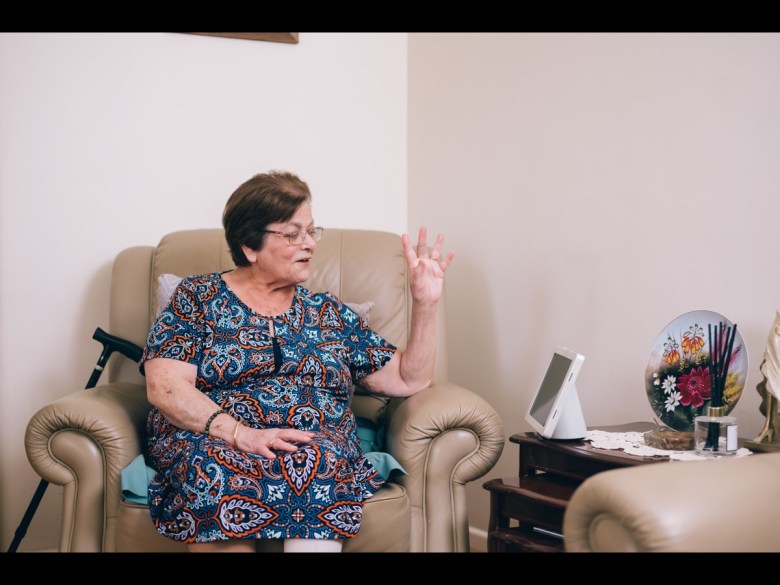


댓글 없음:
댓글 쓰기