2026년 9월 30일 수요일

Assosted techology quotes Zoie letter


Quotes for the equipment

Inbox
AI Overview
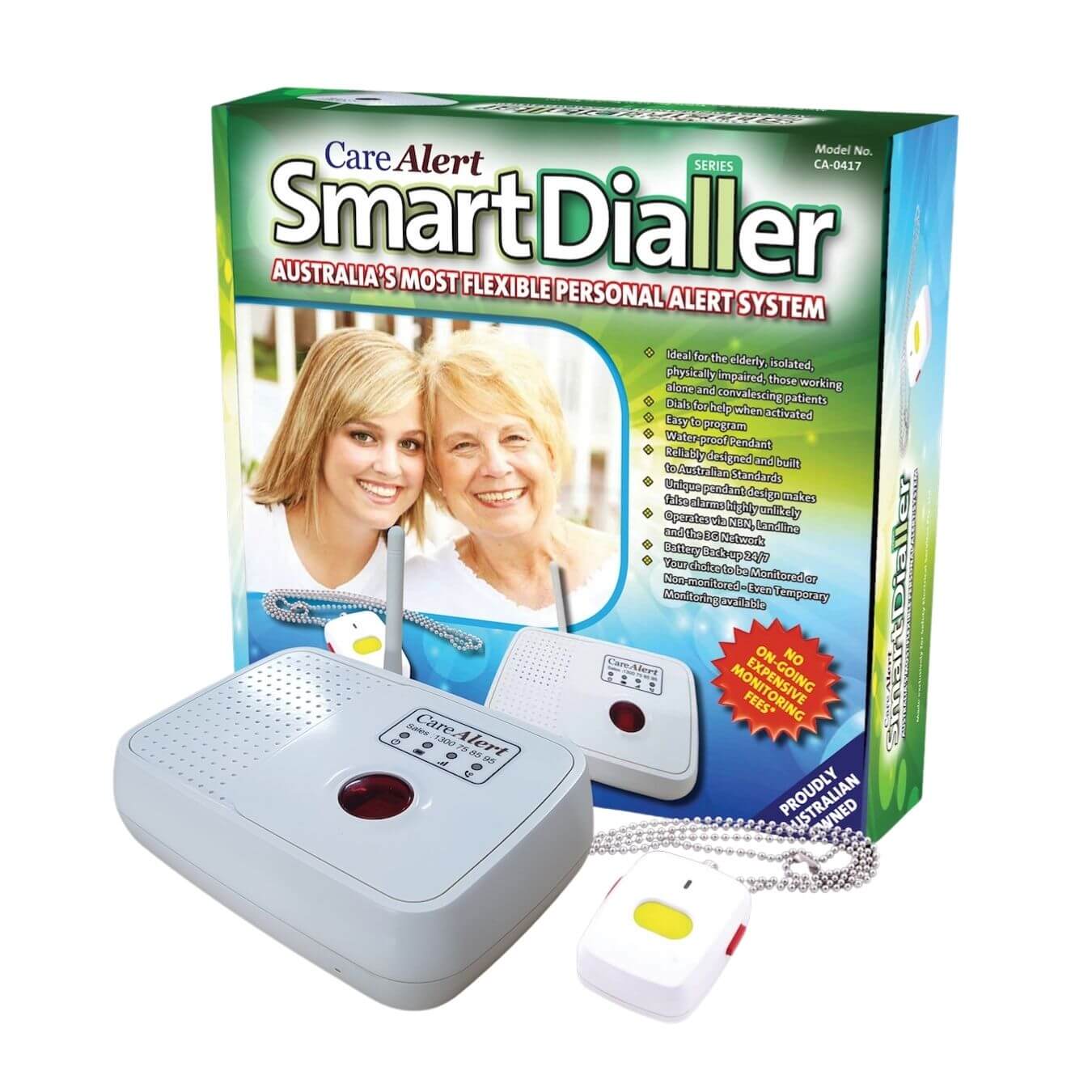
  • Zoie sent equipment quotes (153731.pdf, Chungsoon Pak 1758810.pdf, quote-QUO-10236.pdf) for shower grab rail ($214.50 total via Hi-Line), toilet surround ($169.99), outdoor seat walker ($499.99), falls prevention mat ($199.99 incl. $18.18 GST), and personal pendant ($486.00 total via CareAlert) to apply for urgent My Aged Care funding due to recent falls.
  • Zoie requested your approval to use these quotes for the funding application.
By Gemini; there may be mistakes. Learn more

Zoie Ho

AttachmentsTue, Sep 29, 2:08 PM (1 day ago)
to me
Hi Mr Pak,

I hope you are doing well. 

Please see the attached quotes for the shower grab rail, toilet surround, seat walker, mat and the personal pendant. 

Please let me know if you are happy for me to use these quotes to apply the assistive technology and home modification funding through My Aged Care.

I am planning to apply the assistive technology and home modification funding as an urgent request as Mrs Pak experienced few falls in the half past year.

Please feel free to contact me if there are any questions and let me know your thoughts.

Thank You

Regards, 

Zoie Ho

Community Services Care Partner


====


==


==


==


==

2026년 9월 25일 금요일

What I Found Out About Organ Donation Shocked Me - The New York Times

Opinion | What I Found Out About Organ Donation Shocked Me - The New York Times
Opinion
Guest Essay

What I Found Out About Organ Donation Shocked Me
Sept. 18, 2026
A photo collage showing a man in a  swimsuit. Sections of his torso in the photo are cut out, revealing a yellow background.
Credit...Kensuke Koike

Listen · 7:33 min
Share full article535
By Greg Segal

Mr. Segal is the founder and chief executive of Organize, a nonprofit focused on reforming the organ donation system.

For two years, I stopped answering my mother’s phone calls.

My father was waiting for a lifesaving heart transplant, and I feared she was calling to tell me he’d run out of time. I’d let the call go to voice mail, hoping the tone of her voice would give me enough warning to steel myself before calling back.

He survived, but only barely. At his sickest, his heart was pumping at just 8 percent capacity. After five years and three open-heart surgeries, he was on his way to meet an end-of-life counselor when a new heart finally became available.

He received his transplant on Feb. 10, 2009. Four days later, our family celebrated Valentine’s Day with a new heart. Our joy was unequivocal; we didn’t yet know that the system that saved my dad could also produce so much harm.

My dad blamed his lifelong Boston Red Sox fandom for his heart troubles. Genetic testing revealed the real cause: a fatal mutation that weakens the heart muscle and is so rare that no other family besides ours has ever been found to carry it. In the years that followed, my dad’s younger sister also received a heart transplant, while his older sister died waiting for one.

Advertisement

SKIP ADVERTISEMENT

Two of my siblings and three of my cousins also carry the mutation and will almost certainly need heart transplants. I don’t carry the mutation. My mother made me promise that I would always take care of them.

I founded Organize, a nonprofit making it easier to register to become an organ donor. In 2015, Organize was selected for a role embedded inside the U.S. Department of Health and Human Services, which put us on the radar of whistle-blowers. I soon became inundated with allegations from people working inside the organ donation industry who felt they had nowhere else to turn.

Sign up for the Opinion Today newsletter  Get expert analysis of the news and a guide to the big ideas shaping the world every weekday morning. Get it sent to your inbox.
I know as well as anyone that organ donation saves lives — over 40,000 annually in the United States in recent years. But I was stunned to learn that organ procurement organizations — the federal contractors that coordinate organ donation from the deceased — that made those transplants possible were routinely violating ethical standards and putting patients at risk.

I heard allegations of negligence and financial fraud, including industry executives’ billing taxpayers for joyrides on private jets meant to transport organs; of organizations performing unnecessary procedures as part of a scheme to overbill Medicare. (Organ procurement organizations are nonprofits, but that doesn’t mean they aren’t trying to maximize financial reimbursements.) I’ve heard of poorer Americans waiting to receive organs passed over in favor of wealthier ones.

But one case in particular led me to remove myself from the donor registry and testify before Congress.

Advertisement

SKIP ADVERTISEMENT

Anthony Thomas Hoover II was 33 when he arrived at a hospital in Kentucky, unresponsive after a drug overdose. Doctors told his family he was brain-dead, and the family agreed to remove him from life support. A procurement organization was called in to collect his organs.

While being evaluated for donation, Mr. Hoover opened his eyes and thrashed on the bed. The case should have been stopped. Instead, Mr. Hoover was sedated and given a paralytic drug. Hours later, he awoke again and moved his toes on command; his family was told he was merely exhibiting reflexes.

In the operating room, Mr. Hoover pulled his knees to his chest and shook his head “no.” Tears rolled down his face. The surgeon refused to proceed. Whistle-blowers say procurement executives called their staff member on-site at the hospital and demanded she find another surgeon to take the organs. No surgeon would.

Mr. Hoover survived, though he still asks his older sister, “Why did they try to kill me?”

It would be reassuring — and, for some, convenient — to treat Mr. Hoover’s experience as an exaggeration, even some macabre campfire tale. After all, a strict firewall is supposed to separate treating physicians (who are charged with decisions around the removal of life support and declaring when a patient is dead) and organ donation teams.

But a federal investigation found that firewall is often ignored. And The New York Times reported that health care workers in several states said they had witnessed procurement staff members “persuading hospital clinicians to administer morphine, propofol and other drugs to hasten the death of potential donors.” A former Obama White House official testified before Congress that she had heard directly from whistle-blowers at procurement organizations that they were trained to target inexperienced physicians, especially in rural areas, who may be less likely to push back.

Investigators have documented procurement organizations’ retaliating against whistle-blowers, withholding documents from federal investigators, manipulating medical records and engaging in fraud. That is not mere dysfunction. It is corruption.

Advertisement

SKIP ADVERTISEMENT

Many of these cases have been documented by federal authorities and are under investigation by state and federal law enforcement.

For decades, the organ donation industry’s most visible failure was the opposite one: Most procurement organizations were not motivated enough to recover lifesaving organs.

Each procurement organization, with its own distinct jurisdiction, is one of the few government-sanctioned monopolies. Historically, there were few consequences for their poor performance, which meant they left thousands of lifesaving organs unrecovered. They also often prioritized the recovery of skin, tissue, bone and corneas, which can be far more lucrative than organs. That meant that patients like my dad languished on waiting lists; patients like my aunt died for lack of available organs for transplant.

In 2020, the federal government strengthened rules to hold procurement organizations more accountable; for the first time, poor performance could cost them their government contracts. The reforms have worked, helping drive a 25 percent increase in transplants.

The organizations have lobbied to weaken these standards, arguing that pressure to recover more organs pushes them to be overly aggressive in harvesting organs and threatens patient safety.

Advertisement

SKIP ADVERTISEMENT

That is a false choice: The problem is not that the government demanded procurement organizations do a better job collecting more organs; it is that it failed to impose equally rigorous measures to ensure patient safety. Both my aunt and Mr. Hoover deserved to live.

Dr. Mehmet Oz, the leader of the Centers for Medicare & Medicaid Services and a former heart transplant surgeon, has promised to be “a new sheriff in town” on this issue. He should prove it by enforcing the 2020 performance rules, which more than a dozen procurement organizations have gone to court to shut down.

The centers should also use their patient-safety authority to immediately close any procurement organization that endangers patients. They recently did so in South Florida and have moved to do so in Kentucky. The organization serving New Jersey faces alarming allegations and should be next.

The White House should make procurement organizations a priority of its Medicare fraud crackdown. When he was a senator, Vice President JD Vance cosponsored 2023 legislation to break up the national organ monopoly, and he now leads the White House’s antifraud task force. He should push for more resources to expand the Justice Department’s organ donation investigations.

I spent years asking people to register as organ donors. I look forward to the day when I can add my own name back to the list. But first, the government needs to make the system worthy of that trust.

Advertisement

SKIP ADVERTISEMENT

From the comments
535
K
Keith
Kinnelon, NJ
As a registered organ donor, I’m left disappointed and troubled, but intend to remain so. Not offering my organs won’t help repair a blighted, crucial resource delivery system, and I hope to have ways to leverage my participation in that system to create conditions that support and compel reform.

D
Deborah Musselman
Camp Hill, PA
@Keith The story illustrates my long belief that we all should have a family member or other caring person at their side, as their patient advocate, when they go to a hospital, regardless of their condition.

J
J
Maine
@Keith - I'm donating my dead body to a med school. I figure it will help docs who will in turn help patients.

Read 3 replies

2026년 9월 16일 수요일

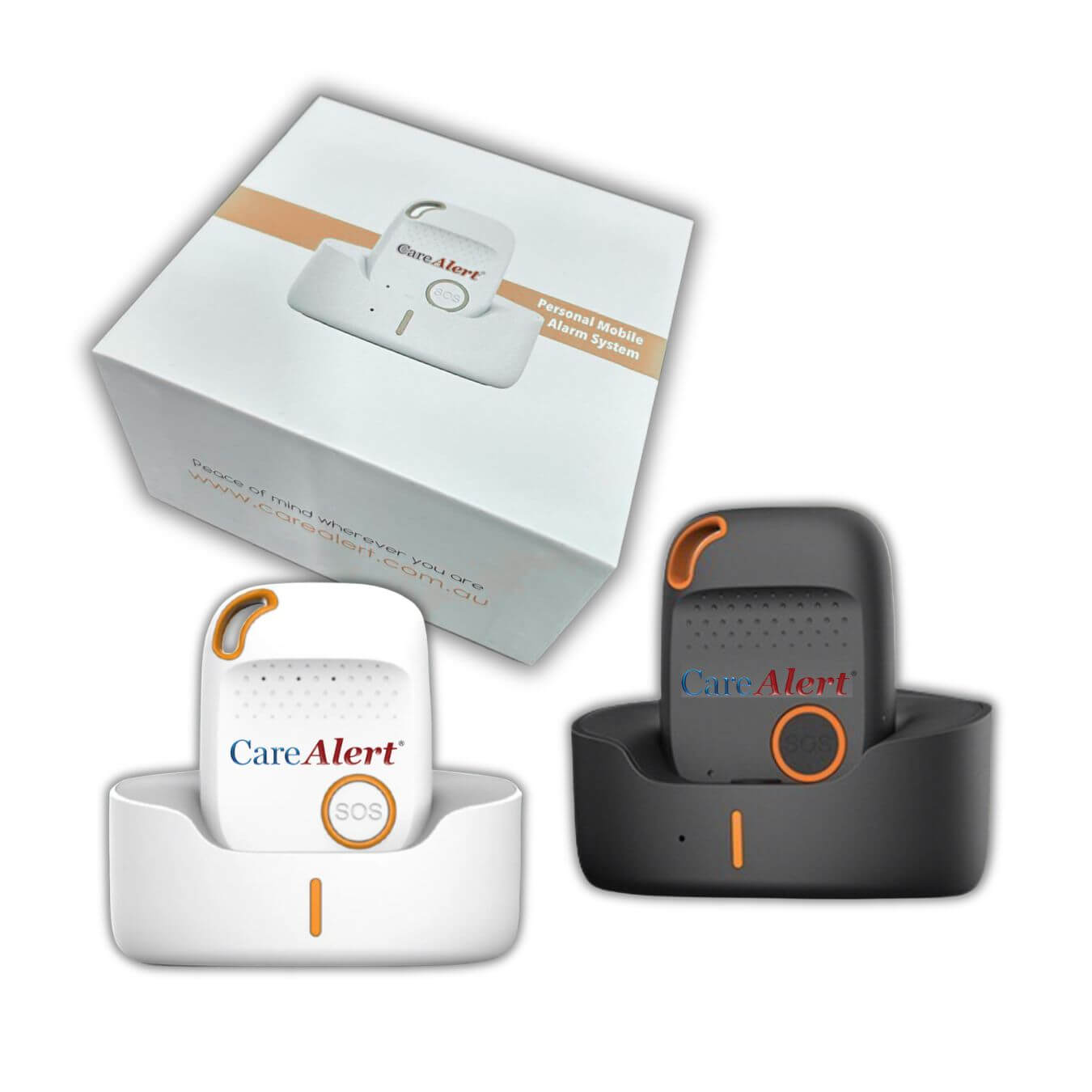
CareAlert Mobile Alarm

 https://carealert.com.au/products/carealert-go-anywhere-gps-alert#description


CareAlert
Open SearchOpen AccountOpen Cart
0


Zoom

30 reviews

CareAlert Mobile Alarm


Portable personal alarm, designed to keep older Australians safe and independent wherever they go.

Press the button, help is on the way, wherever you are.

Works anywhere in Australia with 4G coverage and real-time GPS

Automatic fall detection, waterproof, with up to 72 hours of battery

Choose 24/7 professional monitoring or nominated family and friends
View full features

This device could be FREE through NDIS or My Aged Care funding. Check eligibility
Sale price$425.85
+ FREE SHIPPING


1Select your colour
WhiteBlack
2Select monitoring typeTell me more


Family & friends monitoring
One press calls your family or friends, up to 5 contacts


Professional 24/7 monitoring
One press reaches a trained Australian care specialist
3Select your planTell me more


Pay quarterly (equals $8.95/month)
Paid today, then renews every 3 months
$26.85


Pay yearly (save $20 vs quarterly)
Paid today, then renews every 12 months
$87


Sale price$425.85Add to cart


What's included: Device: $399.00 + Family & friends monitoring: $26.85/quarter


Free shipping Australia-wide


12-month warranty


No lock-in contract


CareAlert gives you two ways to get help when your alarm is activated.

Professional 24/7 monitoringTrained Australian care specialists answer every call, day or night.
They speak with you through the device or home base unit to confirm what's happened.
They will arrange an Ambulance to attend your location and also inform your family or a neighbour.
Ideal if you live alone or want a trained responder on every call.
Requires a yearly or monthly plan that covers the 4G connection and monitoring service.

Family & friends monitoringThe alert rings up to 5 people you choose, one after the other, until someone answers.
We recommend making Triple Zero one of those 5 so emergency services are always reachable as a backup.
You nominate the contacts, we pre-program them into the device.
Ideal if you have family or neighbours nearby who can respond quickly.
Available on our yearly, quarterly, or BYO SIM plans.

You can switch between monitoring types anytime by contacting our team.


CareAlert runs on the 4G network, so it needs an active SIM to stay connected. What you pay depends on the monitoring option you chose.

Professional 24/7 monitoring (includes SIM + monitoring service)Pay yearly: $350 (save $70 vs monthly)
Pay monthly: $35

Family & friends monitoring (SIM only)Pay yearly: $87 (save $20 vs quarterly)
Pay quarterly: $26.85 (works out to only $8.95/month)
Bring your own SIM: $0

No lock-in contractCancel any plan at any time by contacting our team.
Payments already made aren't refunded. Your CareAlert service continues to the end of your current paid period (the month, quarter, or year you've paid for).


Free standard shipping Australia-wide via Australia Post. Express Post is available from $29 at checkout.

ProcessingOrders are dispatched within 1 to 2 business days of payment.

DeliveryStandard Post: 2 to 5 business days (longer for regional or remote areas).
Express Post: 1 to 3 business days.

You'll receive a tracking number by email once your order ships. For delays, lost or damaged parcels, contact our team on 1300 75 85 95 or office@carealert.com.au.


Every CareAlert is backed by a 12-month manufacturer's warranty covering defects in materials and workmanship. This is in addition to your rights under Australian Consumer Law.

What's coveredManufacturing defects in parts and labour for 12 months from date of purchase.

What's not coveredAccidental damage, power surges, misuse, or incorrect installation.
Repairs attempted by someone outside our approved service agents.

How to make a claimCall 1300 75 85 95 or email office@carealert.com.au.
Include your proof of purchase and a description of the issue.
Our team will walk you through the return process.

CareAlert Mobile AlarmSale price$425.85
Add to cart

How The Mobile Alarm Works


1


Press the button, or the alarm detects a fall

Press and hold the SOS button on the front for three seconds. If you've had a hard fall and can't reach it, the alarm raises the alert on its own.


2


Your alert goes out with your location

The watch calls your monitoring centre, or your nominated contacts one after another until someone answers. Your exact location goes with it, so nobody has to ask where you are.


3


You talk it through, and help is arranged

Speak to whoever answers through the watch itself. No phone, no reaching for anything. With professional monitoring, the operator arranges an ambulance and lets your family know.

What The Mobile Alarm Does


Emergency SOS Button

One clearly marked button on the front. Press and hold it for three seconds to raise an alarm.


Automatic Fall Detection

Built-in sensors detect a hard fall and raise the alarm without anyone pressing anything.


Real-Time GPS Location

The alarm sends its exact location with every alert, so nobody has to ask where you are.


Emergency Call

Triple Zero can be one of your emergency contacts, and the alarm still calls it even with no SIM credit left.


Small Details That Matter


Two-Way Talk

Speak to whoever answers through the alarm itself, no phone needed.


Calls Triple Zero

Set Triple Zero as one of your contacts. It still calls even with no credit left.


Purpose-Built for Safety

One dedicated SOS button and fall detection, not a phone or an app to learn.


No Phone or Wi-Fi Needed

It runs on its own 4G connection, with nothing to pair or set up.


Waterproof to IPX7

Keep it on in the rain, the garden, or the shower, where a lot of falls happen.


Australia-Wide Coverage

4G reaches 98.5% of the country, at home or anywhere you go.


Ready to Wear on Arrival

It turns up charged, connected, with your contacts already loaded.

Compare Care personal alarms


CareAlert Mobile Alarm

CareAlert Emergency Watch

CareAlert Home Alarm


24/7 monitoring


Non-monitored options


Works around your home & garden


Works out and about


-
Fall detection


Add-on Pendant
GPS location tracking


-
Talk through the device


Waterproof rating
Showerproof (IPX7)
Showerproof (IP67)
Pendant: Showerproof (IP65)
Covered by NDIS or Aged Care


Battery duration between charges
Up to 72 hrs
Up to 72 hrs
3 Years
Device
$425.85*
Includes first month of
family & friend monitoring
$425.85*
Includes first month of
family & friend monitoring
$399
Optional professional monitoring
$35/month or $350/year
Optional fall detection pendant
Built-in
Built-in

Optional fall detection pendant: $40
Best for
Seniors who head out regularly. One press for help plus fall detection.
Seniors who are always on the move. Help and GPS, always on the wrist.
Seniors who mostly stay at home. Pendant covers the house and garden.


Funding Options

Many Australians are eligible for government funding that covers the full cost of a personal alarm — including the device, setup, and ongoing monitoring fees. You may not need to pay a cent.


My Aged Care — Support at Home

The Support at Home program (which replaced the old Home Care Packages from July 2025) can often cover the full cost of your CareAlert alarm — including the device, SIM card, and monthly monitoring fees. You may not need to spend your own money.
Learn More


NDIS — Assistive Technology

If you have an NDIS plan, a CareAlert personal alarm can be funded as Assistive Technology under the Personal Safety & Security category. Your plan manager or support coordinator can help arrange it.
Learn More


PAASA — Personal Alert SA

A South Australian government scheme that helps eligible older residents access personal safety alarms at reduced or no cost, helping them stay safe and independent at home.
Learn More


Customer Reviews
4.63 out of 5
Based on 30 reviews


23


5


0


2


0
Write a review

100.0


100.0

Verified
Sort by

06/05/2026
Jill Cornwell


Great


Great service


>> CareAlert replied:


Thanks so much for your kind words! We're really glad you had a great experience with our service.

25/04/2026
Jo


Concern


My 92 yo mother has a care alert that didn't signal she had a fall. Trying to gain customer service to find out why and how i can check on the device. Website says 24 hr call available, but also says business hrs??? She feel in a Saturday and no support seems available. The other number on the website numbers lots options to gain different services within the company. When I pressed the relevant number it just looped back to the start. I live 2 hrs from my mother and my sisters are currently away. The care alert is not giving peace of mind for any of us. Not working as stated, no technically support when needed. Leaves us all in a state of concern and disappointment


>> CareAlert replied:


We’re very sorry to hear about your mother’s fall and understand how concerning this situation must be for you and your family. This is certainly not the experience we want for our customers.

We’d like to clarify that our customer support team operates Monday to Friday, which may have affected your ability to reach us over the weekend. That said, we completely understand your expectations around urgent support, especially in situations like this.

Please contact us as soon as possible during business hours so we can urgently investigate why the device didn’t trigger and guide you through checking it. Your mother’s safety and your peace of mind are extremely important to us, and we take this feedback seriously.

24/04/2026
Catherine Bergin


I am very happy with my care alert


I am very happy with my care alert ,thank you .


>> CareAlert replied:


Thank you so much for your kind words! We’re really glad to hear that you’re happy with your CareAlert. Your feedback means a lot to us, and we’re always here if you need any assistance. Stay safe and take care!

13/02/2026
Betty Watkins


Great service


Great service, all set up, ready to go on arrival.


>> CareAlert replied:


Thank you so much for your kind words!

We’re delighted to hear everything was ready for you on arrival and that you had a great experience with our service.

01/01/2026
Anonymous


Practical and easy to use


Practical and easy to use.


>> CareAlert replied:


Thank you! We’re glad you find it practical and easy to use. We appreciate you taking the time to share your feedback.
123


GPS Alarm Questions

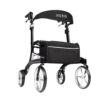
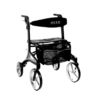
Hero Medical Outdoor Lite Seat Walker (Aluminium)

https://ilsau.com.au/product/hero-medical-outdoor-lite-walker-aluminium/
Hero Medical Outdoor Lite Seat Walker (Aluminium)


🔍


In stock
Lightweight aluminium walker in three sizes
SKU: S301679
Manufacturer code: AL-218S-057-LOW BLACK


Combines everyday outdoor mobility with durable support and modern styling.

Exclusive to ILS, the Hero Medical Outdoor Lite Seat Walker (Aluminium) 
blends functionality with comfort for outdoor independence. Available in red or...Read More
$499.99
Height
Colours


Quantity:

Request a quote


Book your trial now


Product Description

Download product fact sheet:
Print
Download.doc
Download.pdf


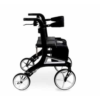
The Hero Medical Outdoor Lite Seat Walker (Aluminium) is designed to promote stable, comfortable movement outdoors. With a curved lightweight aluminium frame (6.4 kg – 6.6 kg), it’s easy to manoeuvre while offering reliable support.

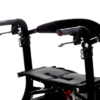
Key features include large 9.5” front castors for stable travel, light-touch handbrakes with a parking function, and a padded, height-adjustable backrest with four clip settings. The spill-resistant nylon seat and waterproof storage bag provides comfort and practicality.

This model folds quickly for storage and transport and is delivered pre-assembled for immediate use.
Who it’s forFor clients seeking a stylish, lightweight walker for confident, daily independent mobility.
For therapists prescribing a reliable aluminium walking aid that supports posture, comfort and safe mobility.

Key features
Lightweight aluminium frame (6.4 kg – 6.6 kg) – stable yet easy to handle
Large 9.5” front castors – support smooth outdoor manoeuvrability
Height-adjustable rounded backrest – four clip settings for individualised comfort
Ergonomic height-adjustable handles – with quick adjustments for custom fit
Light-touch handbrakes – with integrated parking brake
Foam-padded, spill-resistant seat – supports rest and comfort
Waterproof nylon storage bag – removable and easy to access

Simple folding mechanism – enables compact storage and portability
Delivered pre-assembled – ready for use after unfolding

==

Specifications

SpecificationLowStandardTall
Safe Working Load (SWL)136 kg136 kg136 kg
Frame Weight6.4 kg6.5 kg6.6 kg
Gross Weight7.8 kg7.9 kg8 kg
Seat Height50.5 cm52.5 cm60.5 cm
Seat Width46 cm46 cm46 cm
Handle Height82.5 cm – 95 cm84.5 cm – 97 cm93.5 cm – 106 cm
Outer Width60 cm60 cm60 cm
Front Castor9.5”9.5”9.5”
Rear Castor8”8”8”
Frame MaterialAluminiumAluminiumAluminium


==


==

2026년 9월 7일 월요일

Osteoporosis Treatment - How do osteoporosis treatments work?

Osteoporosis Treatment - How do osteoporosis treatments work?

Home › Osteoporosis & You ›
Treatment

Diagnosed osteoporosis requires prescribed treatment to protect bone health. Your medication will be prescribed by a GP or specialist. In Australia there are a range of treatment options available. You and your doctor will determine the best treatment for you, taking into consideration other medical conditions. Your doctor can also advise if your medication is subsidised by the Pharmaceutical Benefits Scheme (PBS).
How do osteoporosis treatments work?

Most medications function by slowing or blocking the activity of bone removing cells (called osteoclasts) while leaving bone forming cells (osteoblasts) at work. This helps improve bone strength over time. Osteoporosis medications are commonly prescribed over many years and must be approved by the Federal Government for use in Australia. It is recommended you take your medication as directed to receive the full benefit. It is also recommend people with diagnosed osteoporosis complement medication use with the recommended calcium, vitamin D and exercise levels.

PBS Subsidies

PBS subsidies apply toPeople who had a fracture due to osteoporosis
Anyone over 70 years with low bone density
People with low bone density taking corticosteroids (eg: prednisone or cortisone) at a dose of 7.5 mg for at least 3 months.
Types of medications

The following medications are commonly prescribed in Australia to treat osteoporosis and have strong evidence for reducing risk of fracture.


Type of medication Dosage

Bisphosphonate
This medication can slow bone loss,
improve bone density and reduce
the risk of fractures. Tablets (weekly or monthly)

• Risedronate (brand name Actonel EC, or other generic
brands) • Alendronate (brand name Fosamax,
or other generic brands)

Annual Intravenous infusion
• Zoledronate (brand name Aclasta)
Denosumab
This medication can slow bone loss,
improve bone density and reduce
risk of fractures. 6-monthly injection

• Denosumab (brand name Prolia, Corora, Jubbonti)

NOTE: Patients on denosumab should continue with the
treatment as advised by their doctor. It should not be
stopped without discussion with your doctor, and if
discontinued there is a relatively fast drop off in the
benefit of this treatment and therefore, it is generally
recommended another osteoporosis treatment be
substituted to maintain bone protection.


For Very High Fracture Risk

Type of medication PBS Criteria
Romosozumab (brand name: Evenity)
This osteoporosis treatment is initiated by a
specialist and repeat scripts can be from a GP.
It is available for up to 12 months use and is
a monthly injection. Patients must not have received any PBS-subsidised osteoporosis treatment previously, and be at very high risk of fracture. This is determined by –


Bone Mineral Density (BMD) T-score of -2.5 or less, with the individual having sustained either:
– A hip fracture or a spinal fracture (in the previous 24 months)
OR
2 minimal trauma fractures (with one occurring in the previous 24 months).

Adults matching this criteria can receive this treatment on the PBS.
Abaloparatide (brand name: Eladynos)
This osteoporosis treatment is initiated by
a specialist and repeat scripts can be from a GP.
It is available for up to 18 months use and is
a daily self-injection.

Other medications

The following medication options can be prescribed based on individual patient needs.
MHT (Menopausal Hormone Therapy)

MHT (formerly known as HRT) helps to slow bone loss, reducing the risk of osteoporosis in women around the time of menopause or after menopause. It is safe and effective for most women under the age of 60 who have osteoporosis and also need hormonal treatment to relieve the symptoms of menopause. It may also be prescribed for women under 60 who are unable to take other osteoporosis medicines. It is particularly useful for women who have undergone early menopause (before 45 years of age).
Selective Oestrogen Receptor Modulators (SERMS)

Raloxifene (brand name Evista)

This medicine is taken daily and acts on bones in a similar way to that of the hormone oestrogen, slowing bone loss and reducing the risk of spinal fractures in women who have been through menopause. The PBS subsidy applies for post-menopausal women who have already had a fracture due to osteoporosis.
Restricted use medication

Teriparatide (Brand name Terrosa) self-administered daily injection for up to 24 months.

This medicine must be prescribed by a specialist and is initiated in people with severe osteoporosis when other osteoporosis medication has not worked. Once the course of the treatment is completed another type osteoporosis medication will be commenced to ensure the new bone formed is maintained. The PBS subsidy is for 18 months for people with very low bone density (T-score -3 or less) who have experienced a minimum of two fractures, with one of the fractures occurring whilst on another type of osteoporosis medication.

Romosozumab (brand name Evenity) administered once a month by a doctor with 2 injections (during the same visit), for 12 months.

This medicine must be initially prescribed by a specialist, and follow-up scripts can be prescribed by a GP, and is initiated in people with severe osteoporosis when other osteoporosis medication has not worked. Once the course of the treatment is completed another type osteoporosis medication will be commenced to ensure the new bone formed is maintained. The PBS subsidy is for 12 months for people with very low bone density (T-score -3 or less) who have experienced a minimum of two fractures, with one of the fractures occurring whilst on another type of osteoporosis medication.

Abaloparatide (brand name: Eladynos) administered by daily self-injection, for up to 18 months.

This medicine must be initially prescribed by a specialist, and follow-up scripts can be prescribed by a GP, and is initiated in people with severe osteoporosis when other osteoporosis medication has not worked. Once the course of the treatment is completed another type osteoporosis medication will be commenced to ensure the new bone formed is maintained. The PBS subsidy is for 18 months for people with very low bone density (T-score -3 or less) who have experienced a minimum of two fractures, with one of the fractures occurring whilst on another type of osteoporosis medication.
Side effects

Osteoporosis mediation is commonly taken over many years. Side effects from osteoporosis medications are rare and it is recommended you speak to your doctor if you have any concerns or queries regarding your medication. Anyone experiencing a suspected side effect should consult their doctor. Your medication will come with a list of potential side effects if you experience any side effect you will need to inform your doctor.
New information about dental work while on osteoporosis treatment

2026년 9월 3일 목요일

Carer Allowance - Services Australia

Carer Allowance - Services Australia

Carer Allowance

A supplementary payment if you care for someone who needs daily support.

This fortnightly payment is for you if you give support and care to someone either:

  • with disability
  • with a medical condition
  • who’s frail aged.

This payment is for you if the person you care for needs ongoing daily care for at least 12 months or has a terminal medical condition.

To get this payment you and the person you care for will need to meet some rules. Find out more about if you can get it.

You may be able to get both Carer Allowance and Carer Payment depending on your circumstances. You can submit a combined claim for both payments. Learn more about Carer Payment.

There are other organisations who can help you and the person you care for. Find more about services in your state and getting support.

Chungsoon Pak Client Record Snapshot 3 November 2026

AC48210702 Chungsoon Pak Client Record Snapshot 3 November 2026   Client Details   Age 79 ...